Commercial Loan Ground Lease Financing
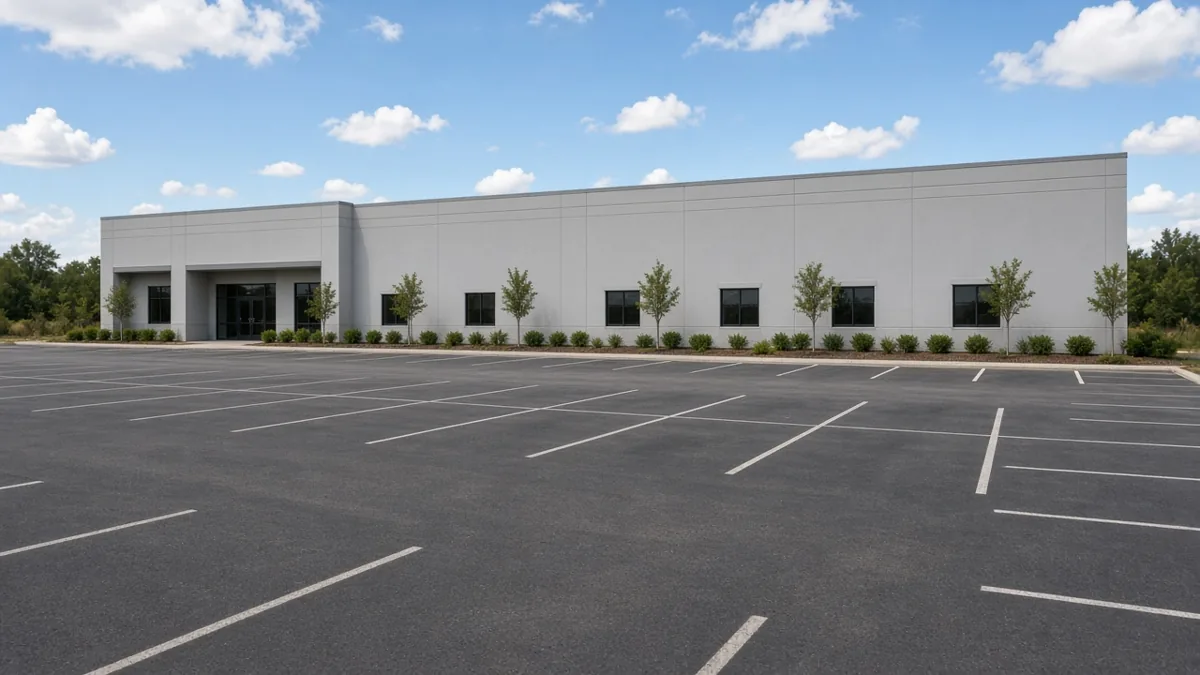
Commercial loan ground lease financing is a loan against improvements when someone else owns the land. The borrower owns the building, or is buying it, and leases the land from the fee owner under a long ground lease. The collateral for the loan is the leasehold: the borrower’s rights in that lease, together with the building. It is not a loan on the fee simple title to the dirt, because the dirt belongs to the ground lessor.
The building in this article is already there. The loan is about an existing improvement and the remaining ground lease. A facility that advances funds as a new structure goes up is a different product and a different set of inspections. Read the ground lease you have, the years left on it, and the rent it charges.
Two clocks have to fit. The loan has a term, sometimes with a balloon before the final amortization date. The ground lease has a remaining term, plus any renewal options. If the lease ends before the loan is paid off, the collateral can disappear while the debt remains. Programs commonly want the remaining lease term to run past the loan. How many extra years they want is a program choice and a lease-by-lease judgment. This page will not invent a universal cushion.
Illustrations are not a rate quote and not an offer of credit. An inquiry is not an approval. Ground-lease documents are legal instruments. Have counsel read them. This article maps the financing questions.
How commercial loan ground lease financing uses the remaining term
Start with the dates you can prove. The ground lease commencement, the expiration, and each renewal option belong on one line. Mark whether an option is automatic, the tenant’s choice, or the landlord’s choice. An option the fee owner can refuse is not term a credit file will treat as certain. An option the tenant can exercise by sending a notice is term you might count only if the notice will be sent, and only if the program accepts options at all.
Lay the loan beside those dates. A twenty-year amortization with a ten-year balloon needs the lease to cover the years until the balloon, plus whatever extra years that program requires. A fully amortizing loan needs the lease to cover the full amortization, plus that program’s cushion. Commercial loan balloon payments are the maturity risk on the loan side. The ground lease adds a second maturity: the day the land lease ends. The earlier date is the one that can strand you.
Rent resets belong on the same calendar. A lease that resets ground rent to a percent of land value, or to market, on a date inside the loan term can jump the expense that sits under your building. A coverage ratio that works at today’s ground rent can fail at the reset. Underwrite the reset if it can happen before you expect to refinance, or hold reserves for it. “We will renegotiate” is not a term.
What a financeable ground lease tends to include
Capital providers and title underwriters look for protections that let a lender cure a default and keep the lease alive. Counsel decides whether missing language can be cured. The list is a review checklist.
- Consent of the fee owner to the leasehold mortgage, if the lease requires consent. Many do.
- A long enough remaining term, as the program defines it, relative to the loan.
- Notice to the lender if the borrower defaults under the ground lease, and time for the lender to cure that default before the fee owner terminates.
- A right, if the lease is terminated, for the lender to obtain a new lease on similar terms. Many ground leases omit that right.
- Permission for the lease to be assigned to the lender or to a buyer at foreclosure, without a fee that makes the remedy useless.
- Insurance and condemnation proceeds that can restore the building or reduce the loan. A clause that sends those proceeds elsewhere can leave the lender unsecured.
- Limits on amendments. A fee owner and a borrower who can shorten the term or raise ground rent without telling the lender can gut the collateral after closing.
If the lease lacks these features, the path is an amendment with the fee owner before closing, a different loan structure, or a decision to walk. Amendments cost time. Fee owners who have no need to cooperate will not sign a lender-friendly lease just because a buyer is in contract. Discover that in the first week.
Subordination of the fee is a stronger and rarer concession. The land owner agrees that the fee interest itself sits behind the leasehold mortgage. A foreclosure can then reach more than the lease. Many fee owners refuse. An unsubordinated fee means foreclosure of the leasehold takes the lease and the building rights, and the land remains the fee owner’s, subject to the lease if the lease survives. Price and leverage follow which of those you actually have. Calling an unsubordinated ground lease “as good as owning the land” will not survive the title review.
Ground rent inside the coverage ratio
Ground rent is a cash cost of occupying land you do not own. It belongs in the operating picture before you celebrate net operating income.
DSCR = net operating income ÷ annual debt service
Build net operating income from the building’s rent, minus vacancy and credit loss, minus operating expenses, minus ground rent, and minus reserves the program counts. Forgetting ground rent makes the ratio look like a fee-simple building. The fee owner still invoices you.
Illustration. Building rent collected, after a vacancy allowance, is $500,000. Operating expenses other than ground rent are $160,000. Ground rent is $90,000. Reserves are $20,000. Net operating income is $500,000 − $160,000 − $90,000 − $20,000 = $230,000. Annual debt service is $180,000.
DSCR = $230,000 ÷ $180,000 = 1.28
Leave ground rent out by mistake and net operating income looks like $320,000. The ratio becomes $320,000 ÷ $180,000 = 1.78. That 1.78 is a different property, one that owns its land. Use 1.28 for the leasehold you are actually financing. If a reset can lift ground rent to $140,000 during the loan, recompute: net operating income falls to $180,000 and the ratio falls to $180,000 ÷ $180,000 = 1.00, which covers with no cushion. The reset case is part of the loan request when the documents allow the reset.
The IRS guide to business expense resources points rent expense to Publication 334, the Tax Guide for Small Business. Ground rent is rent paid for land you do not own. How it is deducted is a tax question for an advisor. The deduction does not remove the cash from the coverage test.
Title, insurance, and the name on the estate
Commercial loan title insurance on a fee-simple purchase insures the land and the building together. A ground-lease loan asks for a leasehold policy. The insured estate is the leasehold, and the ground lease will appear in the exceptions. Estoppel from the fee owner confirms the lease is in force, the rent is current, and no default is outstanding. A building tenant’s estoppel confirms the income. Collect both when the building has occupants and the land is leased.
Pricing the building when you do not buy the land
The purchase price of a leasehold is the price of the improvements and the remaining lease, with the ground rent still due. Comparing that price per foot with fee-simple sales next door, without subtracting the burden of ground rent, misstates what you bought. Cap rates and coverage both have to include the ground rent. A low price that still carries a heavy ground rent can be a poor loan. A fair price with a long, financeable lease and moderate ground rent can be a sound one.
Ask the seller for the ground lease, every amendment, and the rent schedule before you set a loan term. Have counsel flag termination rights, consent, and the remaining term. If the lease does not clearly outlast the loan by the cushion that program wants, change the loan term or change the lease.
Existing building rent still has to be real. Tie the leasehold review to the rent roll, the expenses, and the ground rent in one net operating income. Divide by the annual payment.
Have a commercial or mixed-use investment property in mind? Start with a confidential inquiry or call (907) 841-1600.
Frequently Asked Questions
What collateral does a ground-lease commercial loan actually take?
The collateral is the borrower’s leasehold: the rights under the ground lease and the improvements the borrower owns. The fee owner keeps the land. A leasehold mortgage and a leasehold title policy describe that estate. They do not turn the loan into ownership of the fee unless the fee owner separately subordinates the land, which many will not do.
How much longer should the ground lease run than the loan?
Programs commonly want the remaining term to extend past the loan maturity so the collateral still exists at payoff. The number of extra years differs by program, and renewal options count only when the documents and the program say they count. There is no single legal cushion. Put the lease expiration, any credible options, and the loan maturity on one page and ask the program what it will accept.
Is ground rent part of debt service or an operating expense?
It is a cash cost of the land lease, and in the coverage test it is usually subtracted on the way to net operating income, before dividing by the loan’s debt service. Leaving it out inflates the ratio. A reset that raises ground rent during the loan should be modeled as its own case. Tax deductibility, if an advisor finds it applies, does not erase the payment.
What if the fee owner will not amend the lease?
Then the loan has to fit the lease as it stands, or the purchase should be repriced or declined. Consent, cure rights, remaining term, and control of insurance proceeds are typical reasons a file asks for an amendment. A fee owner with no duty to sign will not invent those rights at the closing table. Find out in diligence.
Does a long ground lease mean the building can support any loan term?
The lease term is only one clock. Rent from the building, ground rent, reserves, and the loan payment still have to produce a coverage ratio the program accepts, using net operating income divided by debt service. A long lease with heavy ground rent or weak building income can fail that test. Term makes the collateral possible, and cash flow makes the payment possible.
Have a property in mind?
Submit a confidential inquiry — business-purpose and investment property only.
Start InquiryDisclaimer: This article is for informational purposes only and does not constitute financial, lending, legal, or tax advice. Commercial & DSCR Loans is a marketing and referral information service — not a lender, broker, or financial institution. Content relates to business-purpose and investment property financing only. Disclaimer · Terms · Privacy