
commercial loan loss of rents
Commercial Loan Loss of Rents Insurance
Commercial loan loss of rents insurance replaces rent after a covered loss. See how the limit, the months, and the exclusions are read before closing.
Overview articles on commercial property financing structures, common use cases, and what to prepare when exploring business-purpose commercial loans.
Commercial loan loss of rents insurance replaces rent after a covered loss. See how the limit, the months, and the exclusions are read before closing.

Commercial loan change of control can be a default when borrower ownership changes. See what the note counts and how consent is reviewed.

Commercial loan percentage rent is extra rent tied to sales. A business-purpose file reads the breakpoint, the audit right, and the base rent.

A commercial loan letter of credit requirement is a bank undertaking beside the mortgage. See what the business-purpose file is asking you to post.
Compare commercial loan loan-to-cost vs loan-to-value on one loan amount. Cost and appraised value are different denominators in the file.
See how an SBA 504 loan for an existing building is split, how much equity the business injects, and why occupancy rules decide eligibility.

A HUD 223(a)(7) refinance pays off a loan that is already FHA-insured. See the loan-amount tests, term limits, and why cash-out is outside it.
Read what a commercial loan forbearance agreement pauses after a default, what the borrower still owes, and how that differs from forgiveness.
A commercial loan Phase II environmental report samples soil or groundwater only after a Phase I names a recognized environmental condition.

A commercial loan extension agreement moves maturity on a performing note. See the fee, the exit, and how forbearance and a refinance differ.
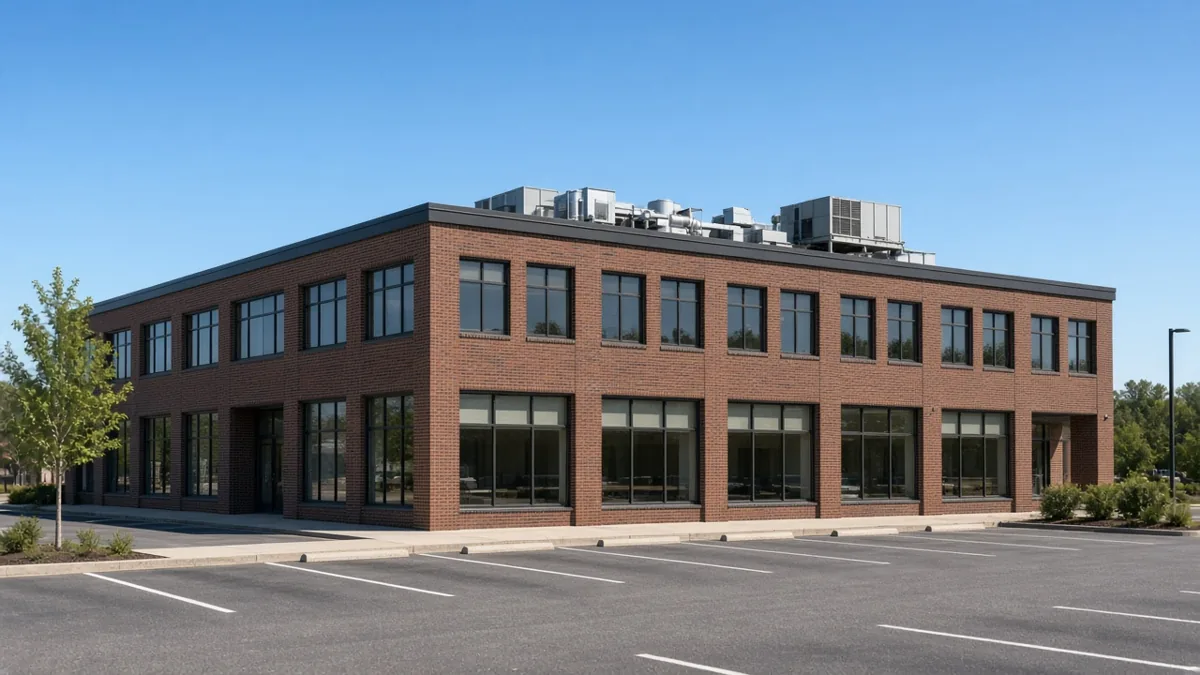
A commercial loan property condition assessment lists immediate repairs and later capital items. See how that report informs reserves.
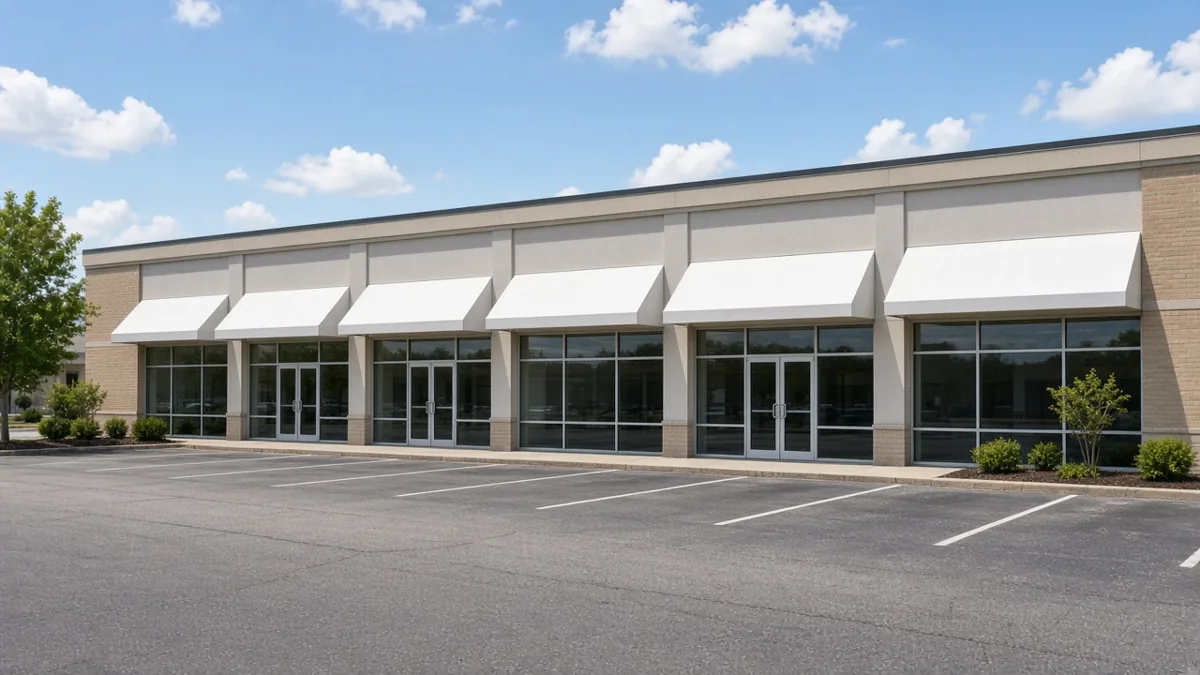
A strip center commercial loan weighs multi-tenant rollover against one net-lease tenant. See how in-place rent and vacancy shape the file.

A commercial loan tenant estoppel certificate has each tenant confirm rent, term, and deposits. See why a mismatch can stop a closing.

Commercial loan subordinate financing rules govern a second lien or seller carry behind a first mortgage. See why senior terms control.
Commercial loan ground lease financing is a leasehold loan on improvements when another party owns the land. See why term still matters.
Single tenant vs multi-tenant commercial loan trades one-tenant credit risk for staggered rollover. See how each lease pattern changes proceeds.

A life company commercial mortgage is permanent debt held on an insurer balance sheet. See how the category differs from a bank loan or a securitized one.
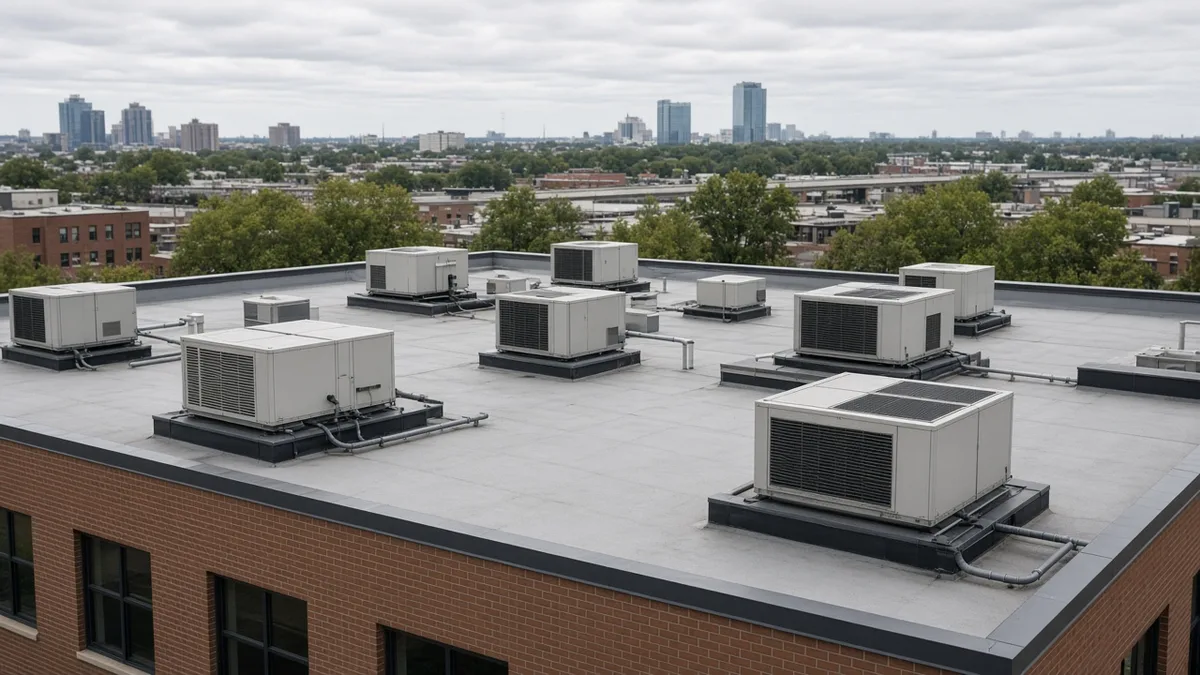
Commercial loan replacement reserves are monthly deposits for future capital items, separate from one-time repairs. See how each one hits cash flow.
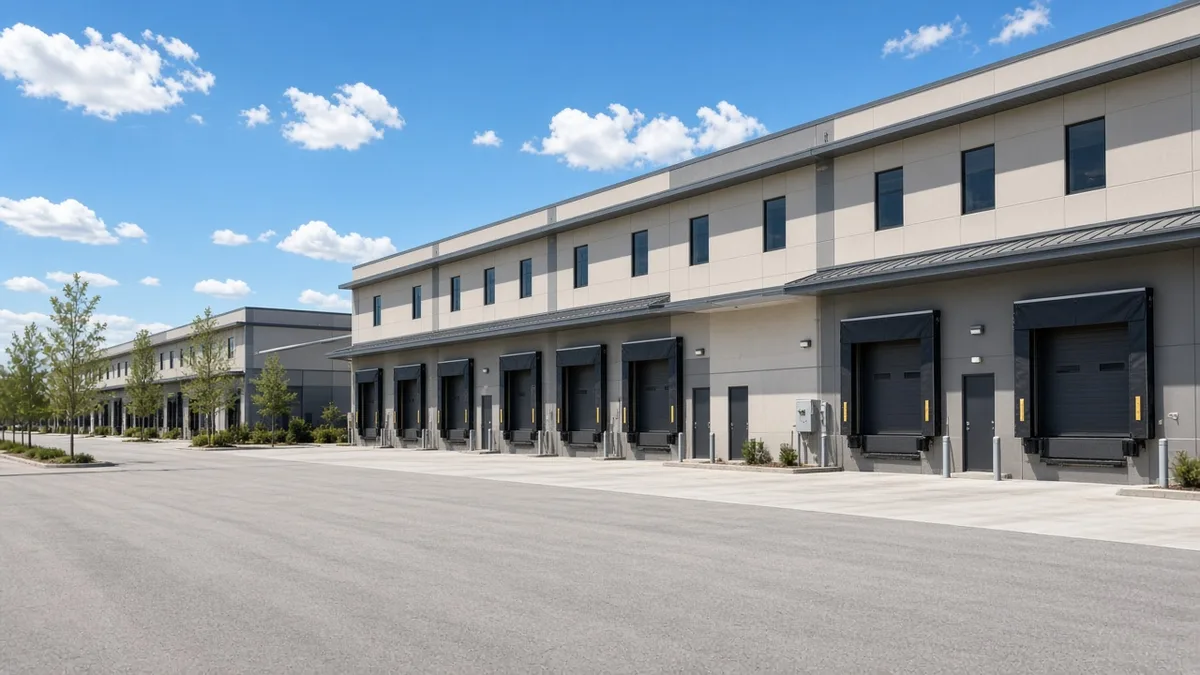
A weighted average lease term commercial loan uses remaining lease life to size proceeds. See the rent-weighted math and how a short term cuts leverage.

Commercial loan ALTA survey requirements flag encroachments, access gaps, and easements that stall a leased-asset close. See what to order early.

How long does a commercial loan take to close depends on appraisal, title, and entity files. See a realistic 30-to-90-day path and what stalls funding.

Mortgage constant commercial real estate is annual debt service divided by the loan. Compare it with the cap rate before leverage helps or hurts.

A small balance commercial real estate loan finances stabilized local assets below institutional size. See proceeds, docs, and what small does not mean.
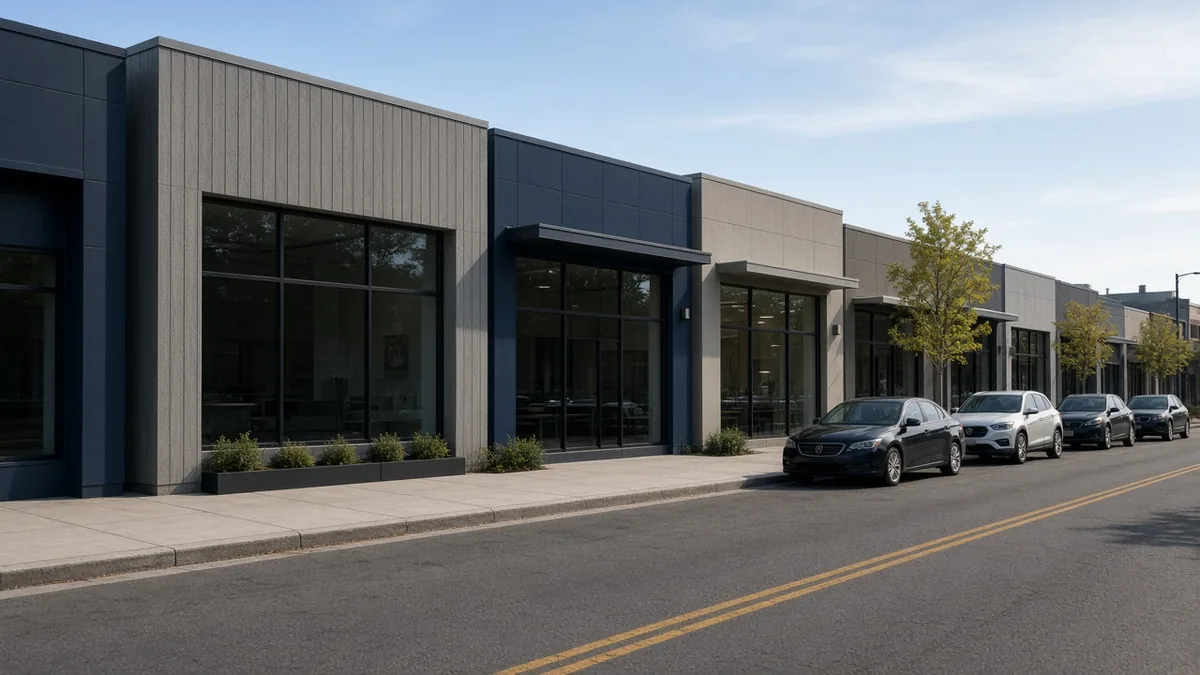
A blanket commercial loan places one lien across several stabilized properties, with release prices to free a single asset. See how proceeds are sized.
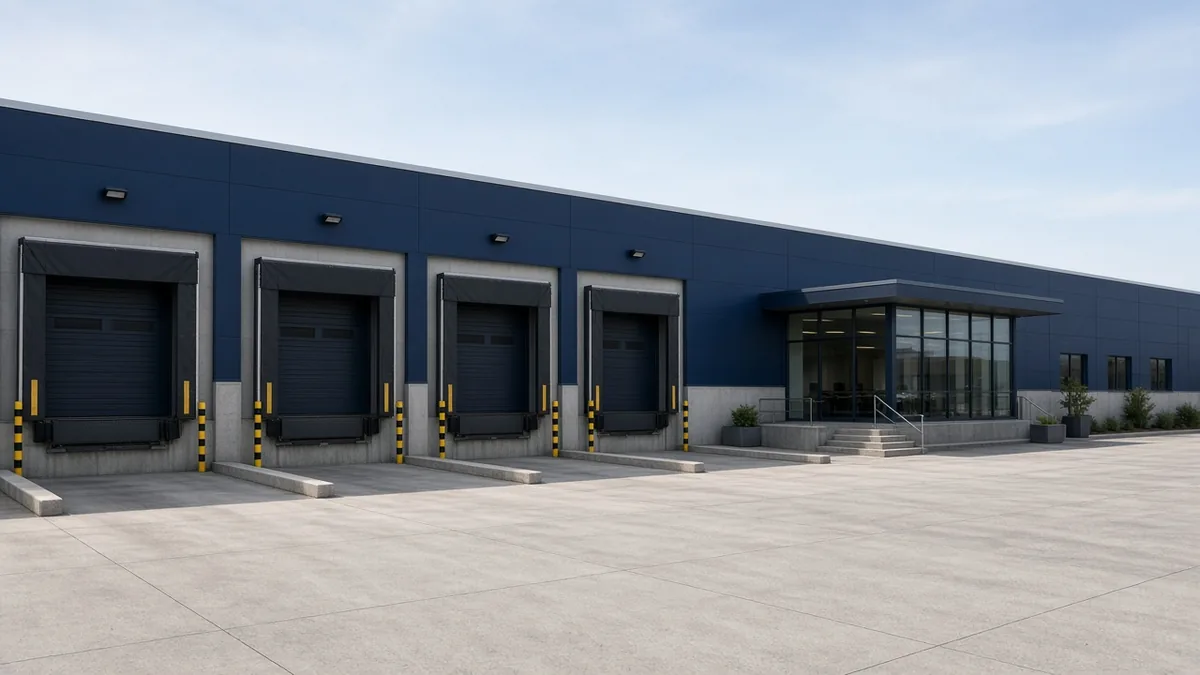
A flex industrial commercial loan finances a stabilized building that mixes warehouse and finished space. See leases, tenants, and what underwriters read.

A rate and term commercial refinance replaces existing debt without cash-out. Compare it with a cash-out and the prepay friction that can erase the win.
A fixed vs floating rate commercial loan is payment certainty versus SOFR-plus. See when a rate cap shows up in the loan docs and why it matters.

An agency multifamily loan explained in plain terms: term, assumability, and occupancy tests versus bank and CMBS paper, without naming originators.
Credit tenant lease financing sizes to tenant credit and remaining lease term, not generic NNN rent. See how investment-grade tenancy changes the file.

Commercial loan debt yield vs DSCR minimums are two risk checks on the same deal. See why a file can clear one ratio and still fail the other.

What is a CMBS loan? Learn how conduit securitization typically drives term, prepay, and servicing rigidity on a leased investment asset.
Sale leaseback commercial financing unlocks seller-operator cash and creates a financeable NNN lease the buyer can take to a lender.

A mezzanine loan commercial real estate stack sits behind the first mortgage. See the intercreditor terms that matter to the sponsor.
Assuming a commercial real estate loan means the buyer takes in-place debt. See approval, assumption fee, and sponsor-credit steps.

A commercial loan SNDA agreement covers subordination, non-disturbance, and attornment tenants and buyers need before a leased close.

HUD 223f loan requirements cover purchase and refinance of existing 5+ unit investment multifamily: term, LTV, DSCR, and per-unit sizing tests.

Learn how to calculate NOI for a commercial loan: which add-backs stick, which expenses get excluded, and how underwritten NOI sets proceeds.

Commercial loan defeasance explained: how Treasury substitution replaces a prepay, when it costs more than a cash payoff, and what to model.

T12 commercial loan underwriting uses trailing-twelve statements, not a rosy pro forma. See which line items get haircut and how NOI sets proceeds.

A commercial loan due diligence checklist for investment closes: third-party reports, lease files, entity docs, and items that stall funding.

Financing a medical office building investment? Learn how tenant credit, remaining lease term, and specialized buildout affect commercial underwriting.

Recourse carve-outs on a nominally non-recourse commercial loan are negotiable in some cases. Learn what drives flexibility and what usually doesn't.

Commercial title insurance works differently than residential coverage. Learn what a lender's policy covers and why endorsements matter on a deal.

Yield maintenance prepayment penalties can be expensive to underestimate. Learn how the calculation works before you plan an early payoff.

Manufactured housing communities have distinct underwriting compared to standard multifamily. Learn what commercial lenders evaluate on this property type.

Gas station and convenience store financing carries specialized underwriting around environmental risk and fuel-related equipment. Here's what to expect.

Buying an office condo unit instead of a full building changes the financing picture. Learn how HOA structure affects commercial underwriting.

Understand how balloon payments work on commercial investment loans, why lenders use them, and how to plan for the takeout at maturity.

Commercial investment loans often include ongoing covenants beyond the initial approval. Learn what DSCR, LTV, and occupancy covenants require.

Coordinating 1031 exchange timelines with commercial loan underwriting takes planning. Learn how identification deadlines interact with financing.

Choosing between amortizing and interest-only commercial financing changes your DSCR ratio and exit math. Learn how each structure affects your deal.

Commercial loan seasoning requirements for cash-out: title-hold time, value caps, and how seasoning differs from prepayment penalties.

Commercial real estate loan rate lock: timing, deposits, extensions, and how CRE locks differ from consumer mortgage locks on rentals.

Commercial loan environmental Phase I: what the ESA looks for, who must rely on it, and how findings can delay investment CRE financing.

Commercial loan personal guarantee explained: full vs limited vs carve-outs, who signs, and how CRE differs from many 1–4 DSCR files.

Understand what a non-recourse commercial loan protects, what carve-outs still create personal liability, and when investors use one.

What investors need to qualify for a commercial bridge loan — exit strategy, LTV, reserves, and how it differs from permanent debt.

A breakdown of typical commercial loan closing costs — origination, appraisal, legal, title, and underwriting fees to budget for.
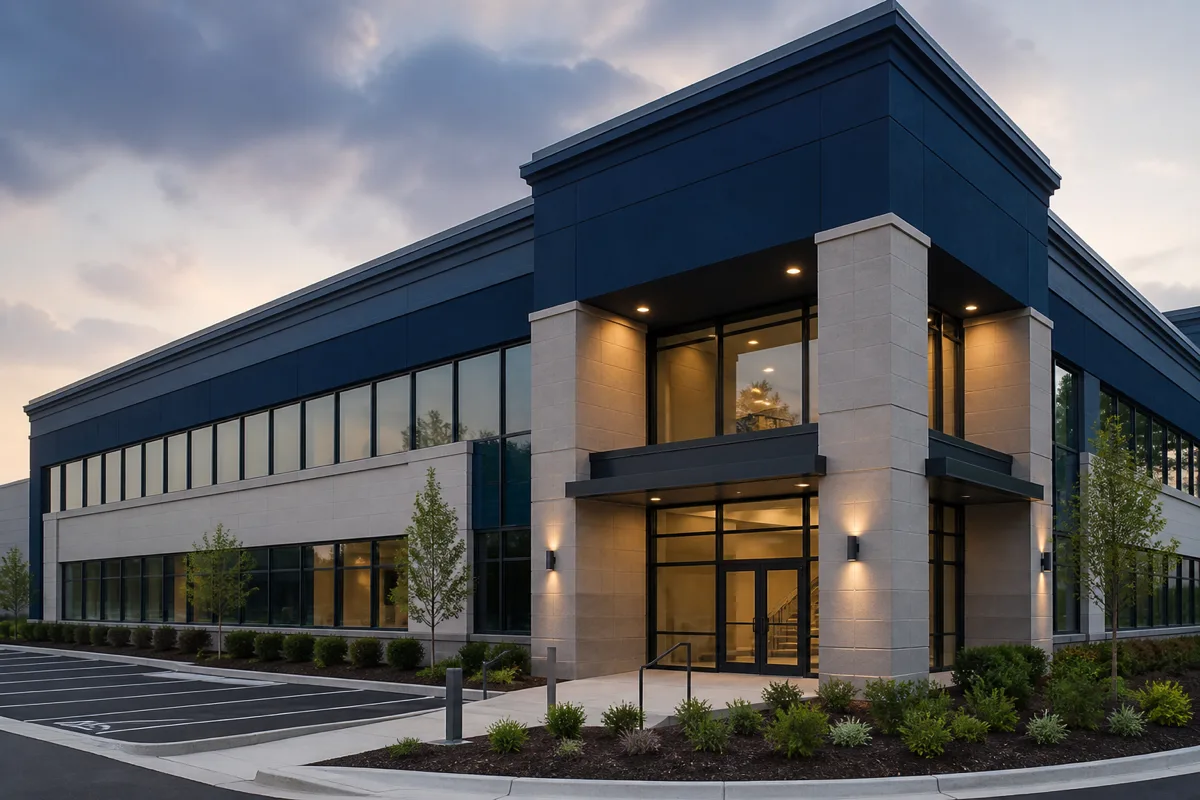
What debt yield means in commercial loan underwriting, how it's calculated, and why lenders use it alongside DSCR and LTV.
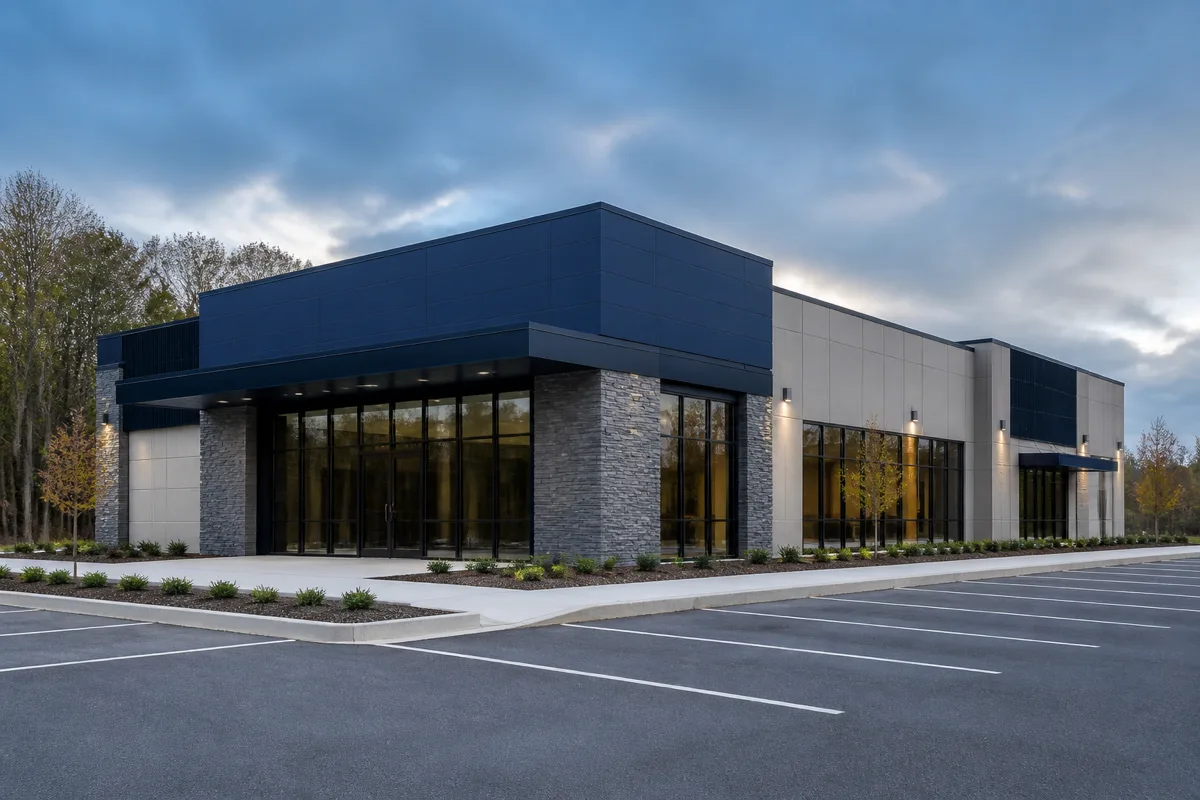
How net lease (NNN) commercial property financing differs, from tenant credit underwriting to lease term and loan structure considerations.
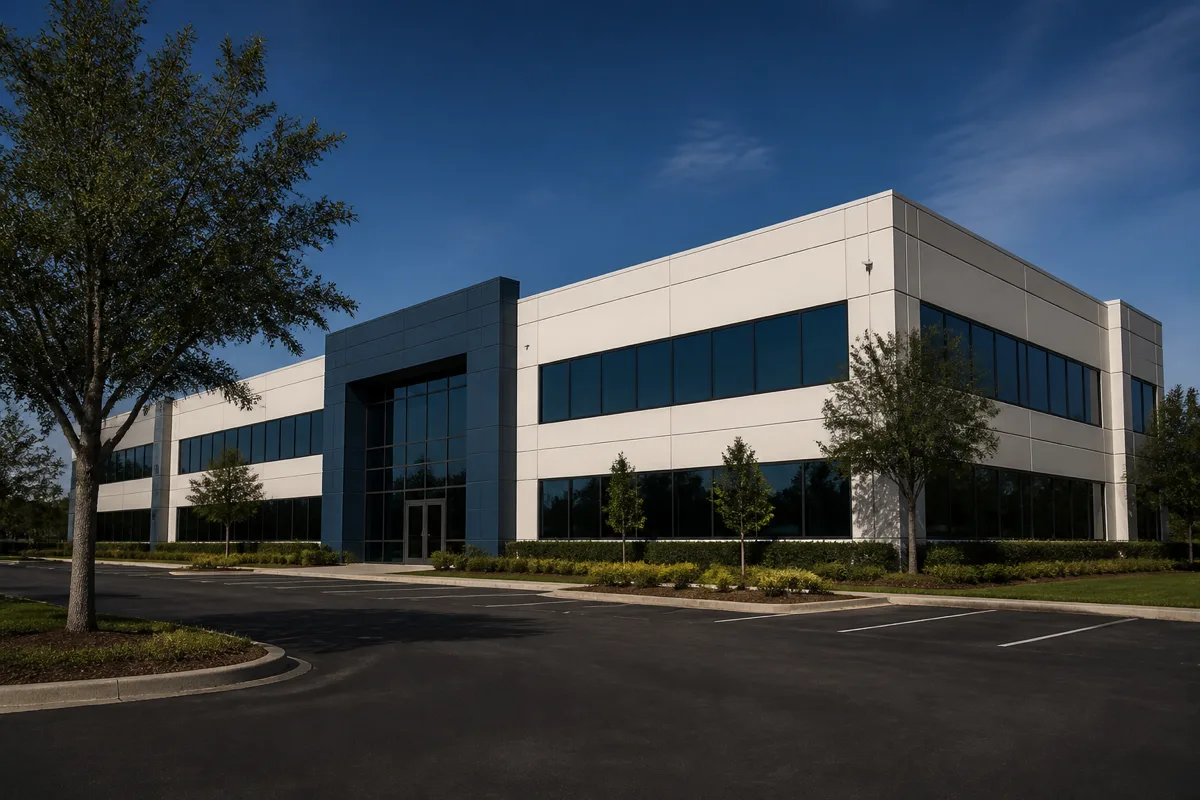
Prepare commercial loans for LLC borrowers—entity docs, guarantees, rent rolls, and investment-property framing. Includes checklists and common pitfalls.

Understand commercial loan interest-only periods—when IO helps cash flow, refinance risk, and questions to ask. Includes checklists and common pitfalls.
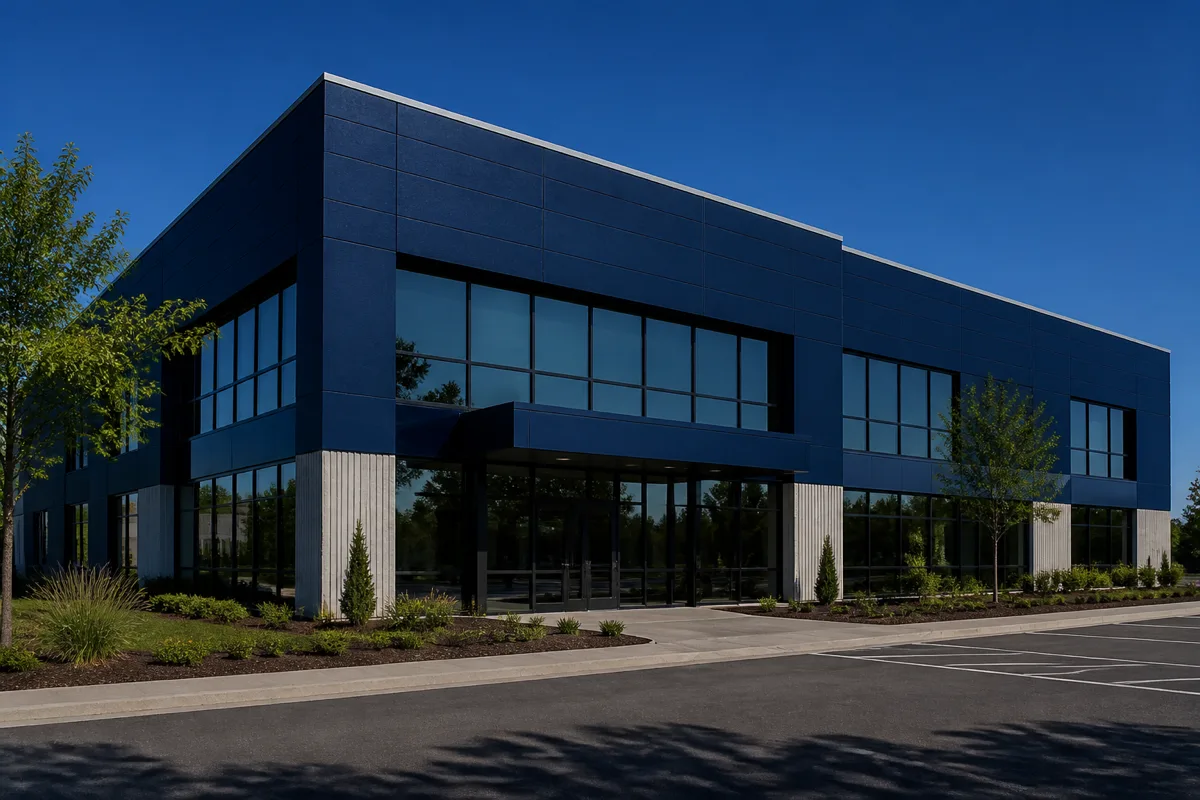
Walk through the commercial property appraisal process—approaches to value, rent comps, and what slows reports down. Includes checklists and common.
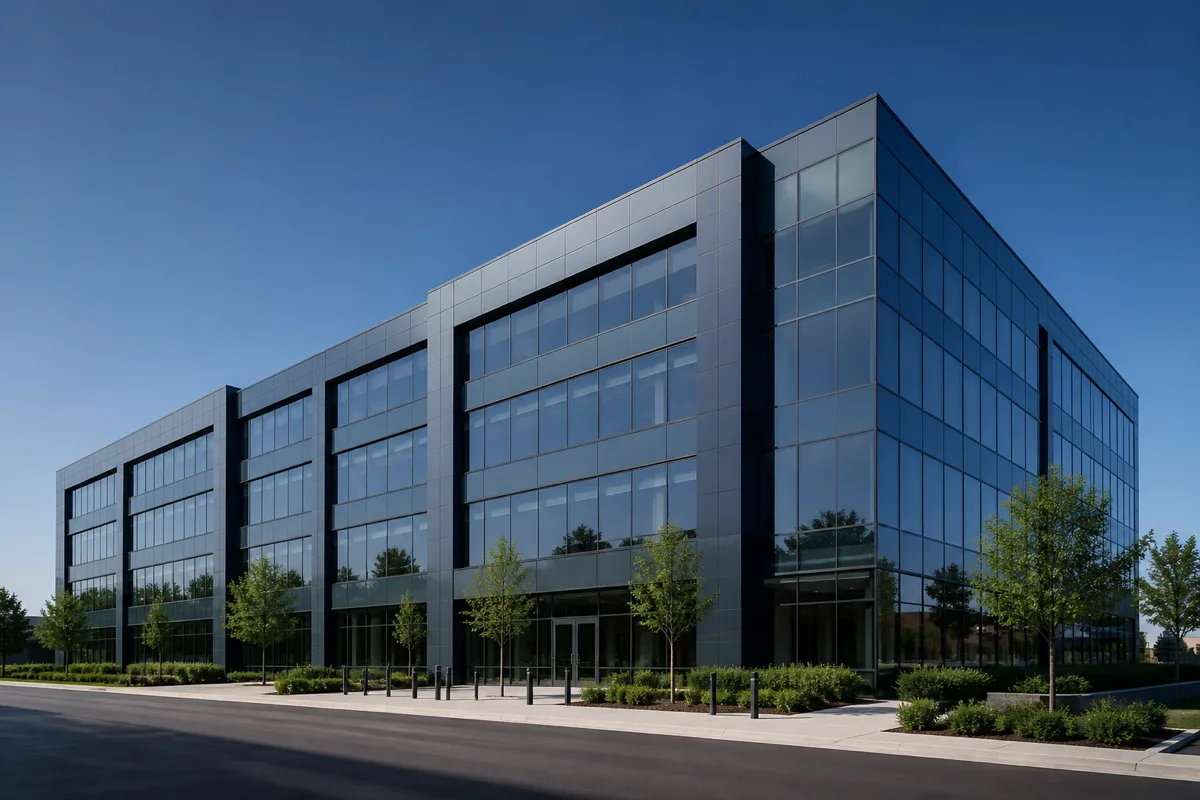
Compare commercial loan prepayment penalty types—yield maintenance, step-down, and questions investors should ask. Includes checklists and common pitfalls.
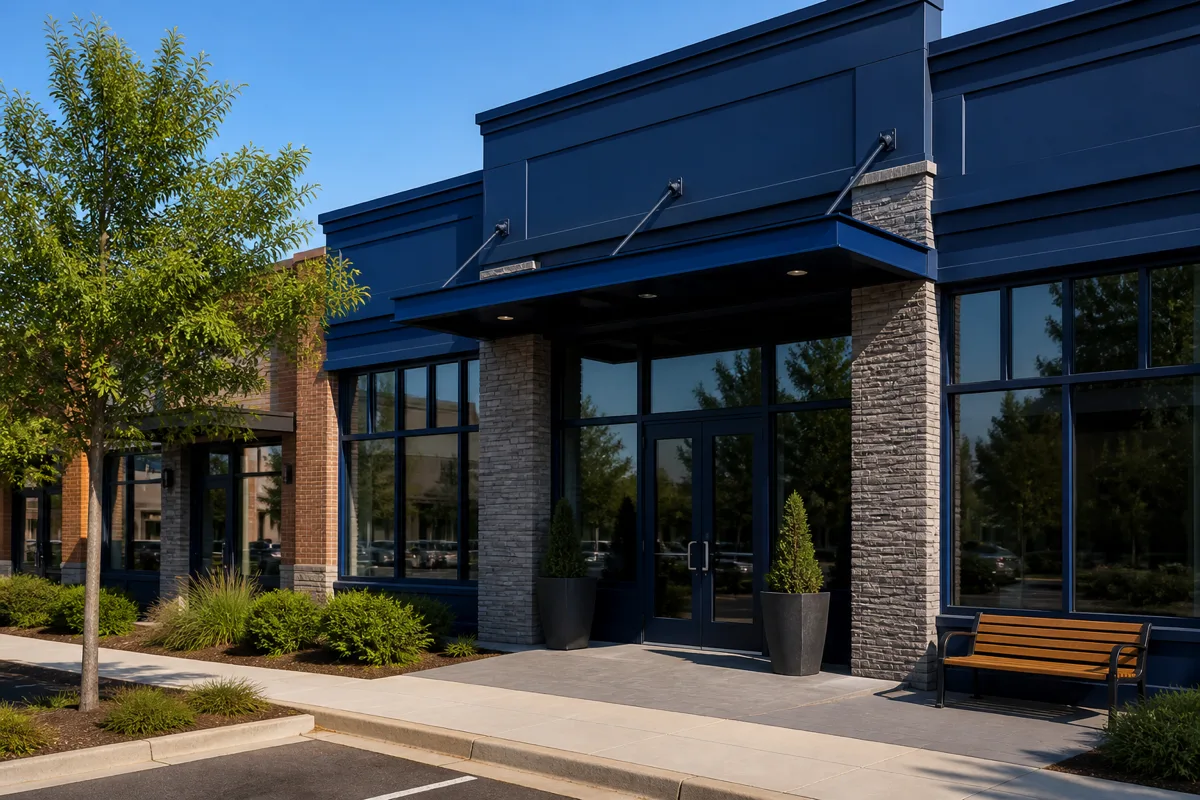
Compare SBA 7(a) vs conventional commercial loans for investment scenarios—use cases, tradeoffs, and fit checks. Includes checklists and common pitfalls.

Understand commercial real estate loans for investors — business-purpose financing basics, property types, and how to prepare an inquiry.

Prepare commercial property loan requirements with a practical checklist: entity docs, leases, rent roll, experience narrative, and reserves.

Explore mixed-use property financing for investment assets — retail/residential mix, underwriting themes, and how to prepare a strong inquiry.
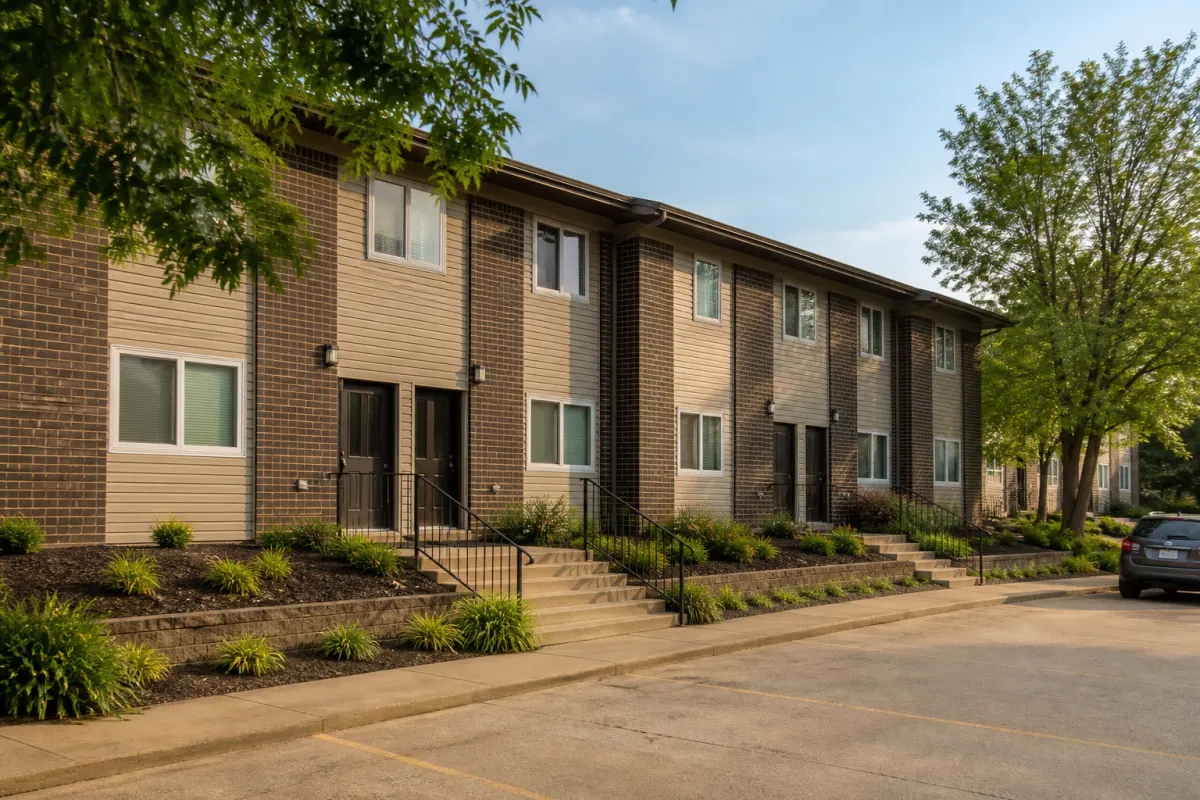
Learn how small multifamily commercial loans work for 4–10 unit investment properties — cash flow, experience overlays, and prep tips.

Compare commercial loans vs residential investment loans — business-purpose CRE, 1–4 unit DSCR paths, and how investors choose a lane.

Understand light documentation commercial loans for investment property — what “light doc” usually means, what still matters, and how to prepare.

Learn how a commercial cash-out refinance can unlock equity in investment property for CapEx, reserves, or the next acquisition — educational only.
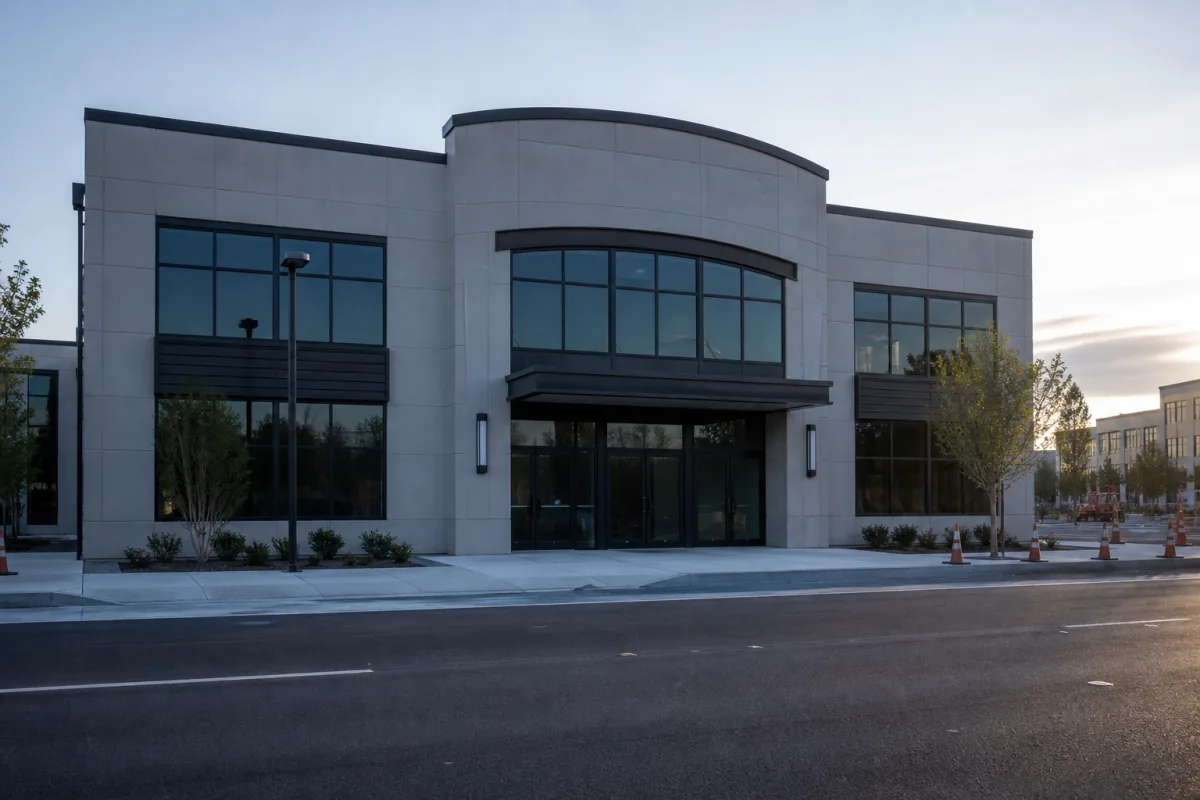
Compare bridge loan vs permanent commercial financing for investment property — when short-term capital fits and when longer structures make sense.

Clarify owner-occupied commercial mortgages vs investment commercial loans — and why this site focuses on business-purpose investment property.

See how DSCR works in commercial real estate underwriting versus dedicated rental DSCR products — formulas, examples, and investor takeaways.

Understand fix and hold commercial financing for investment property — stabilized vs value-add framing, CapEx planning, and refinance timing.

Review educational commercial loan LTV guidelines for investment property — how leverage interacts with DSCR, reserves, and property type overlays.
Submit an inquiry with property type, transaction details, and location. Business-purpose commercial financing conversations start here.