
commercial loans commercial loan
Commercial Loan Loss of Rents Insurance
Commercial loan loss of rents insurance replaces rent after a covered loss. See how the limit, the months, and the exclusions are read before closing.
Educational guides on DSCR loans, commercial financing, property types, and investment strategy.
89 resources
Debt service coverage ratio loans for investment rentals and short-term rentals.
77 resources
Financing concepts for commercial and mixed-use investment properties.
18 resources
1–4 unit rentals, multifamily, mixed-use, and other investment property types.
99 resources
Portfolio growth, refinance timing, and business-purpose financing strategy basics.
Commercial loan loss of rents insurance replaces rent after a covered loss. See how the limit, the months, and the exclusions are read before closing.
A DSCR loan appraisal waiver is a program choice, not a promise. See what it skips, what value must still be shown, and when the appraisal returns.

Learn how to analyze a rental market with local rents, vacancy, supply, and concessions before a business-purpose purchase or refinance.

A DSCR loan for short-term rental arbitrage can fail when you do not own the home. See why a master lease is not the loan collateral.
Asking should I gift my rental property means comparing a deed gift, a sale, the loan on title, and carryover basis before you transfer.
Compare umbrella insurance vs LLC for rental property: what a policy can pay, and what an entity may separate, before you pick one.

Commercial loan change of control can be a default when borrower ownership changes. See what the note counts and how consent is reviewed.

Learn how to find a real estate investment partner, what to test before any money moves, and how capital, work, and the written agreement should line up.

Decide should landlords require renters insurance, what a tenant policy covers, and how to ask for proof without mixing the two policies.

Commercial loan percentage rent is extra rent tied to sales. A business-purpose file reads the breakpoint, the audit right, and the base rent.
A DSCR loan for 2-4 unit house hack exit starts after you move out. See how rent, insurance, and coverage are read once it is a rental.

Rental utility billback RUBS divides one master utility bill across tenants. Learn the formula, the tax result, and why local rules still control.
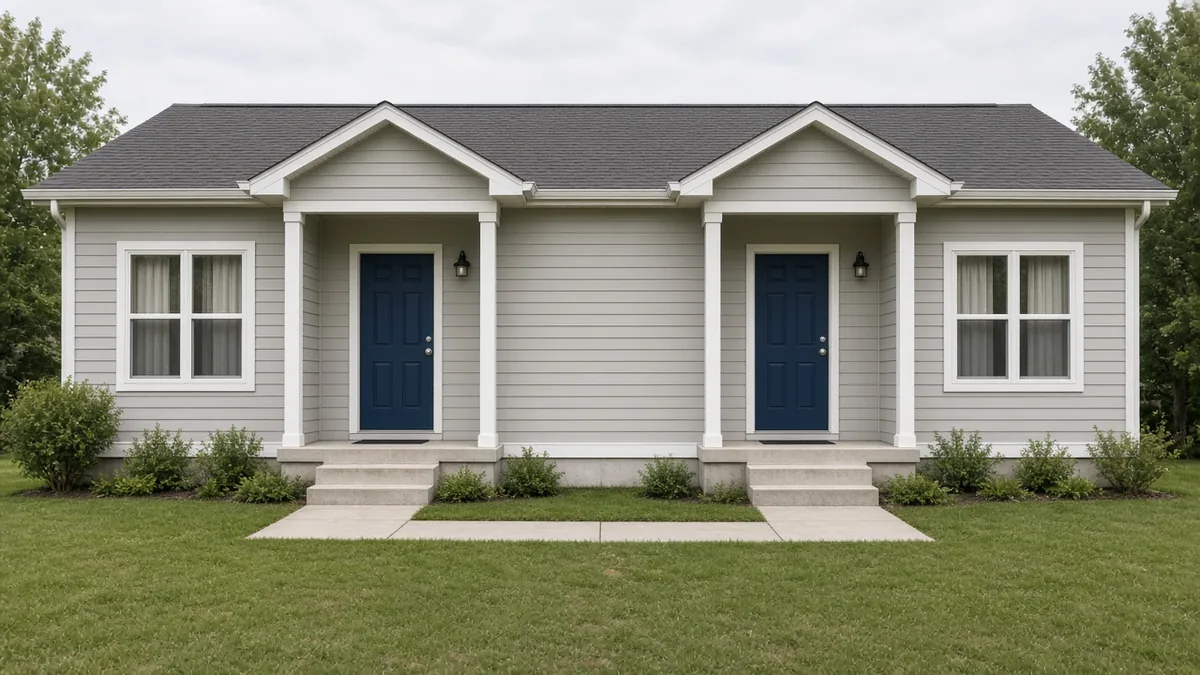
A DSCR loan for a property with existing tenants in place starts with the leases, not a vacant rent guess. See what the file reviews.

Renew or turn a rental tenant by weighing the lease you already have against vacancy, make-ready, and a new lease. A practical investor check.
Self-rental rule for landlords can treat net rent from your own business as nonpassive income. See Publication 925 before you file.

A commercial loan letter of credit requirement is a bank undertaking beside the mortgage. See what the business-purpose file is asking you to post.
Compare commercial loan loan-to-cost vs loan-to-value on one loan amount. Cost and appraised value are different denominators in the file.

Rental property grouping election can combine activities that form one economic unit. See Publication 925 before you group your rentals.

Are security deposits taxable if you still have to return them? See when a deposit held as a liability stays off your rental income.
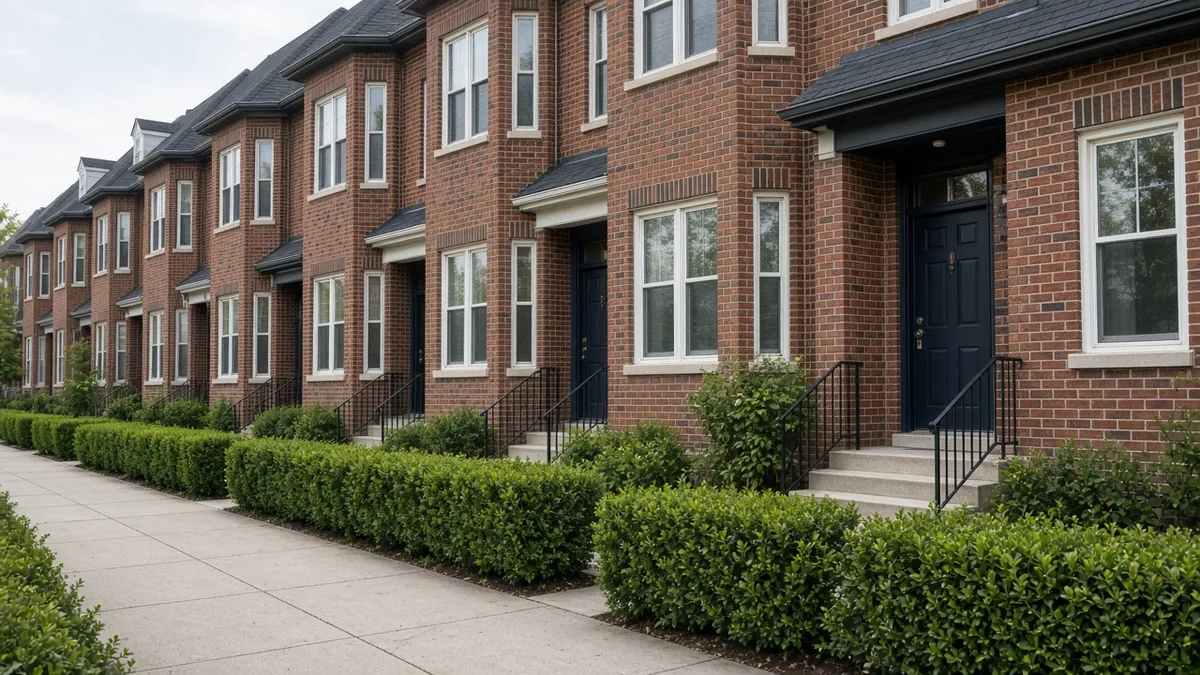
A DSCR loan for a property in an HOA with rental restrictions still follows the HOA. A lender does not override those recorded rules.
Are DSCR loans assumable when a buyer wants the note on a 1-4 unit rental? See how due-on-sale and a new review decide the transfer.

A capital stack real estate map shows who is paid first among senior debt, mezzanine, preferred equity, and common equity, and who takes the loss.
See how an SBA 504 loan for an existing building is split, how much equity the business injects, and why occupancy rules decide eligibility.
See who signs a DSCR loan personal guarantee on a 1-4 unit rental, what that signer still owes, and why a mixed occupancy file fails.
A HUD 223(a)(7) refinance pays off a loan that is already FHA-insured. See the loan-amount tests, term limits, and why cash-out is outside it.

Preferred equity real estate is ownership with a contractual pref. See what the holder owns, how the pref is paid, and where it sits against debt.

A 1031 exchange into syndication fails when the buyer receives a partnership interest. See why title has to be in a real-property holder.
Read what a commercial loan forbearance agreement pauses after a default, what the borrower still owes, and how that differs from forgiveness.
See how DSCR loan retirement account reserves use a 401(k) or IRA statement, including the haircut and when the account must be liquidated.
1031 identification rules give you 45 days to name replacement property in writing, under the three-property and 200 percent tests.
A commercial loan Phase II environmental report samples soil or groundwater only after a Phase I names a recognized environmental condition.
See how a DSCR loan on an assignment of contract underwrites the end buyer, how the fee meets the appraisal, and why occupancy still controls.

A commercial loan extension agreement moves maturity on a performing note. See the fee, the exit, and how forbearance and a refinance differ.
DSCR loan housing history covers mortgage lates and rent records on a cash-flow file. Coverage ratio and credit score are separate screens.
What is boot in a 1031 exchange? It is cash or debt relief you do not replace. That amount can be taxed even when the rest of the gain stays deferred.

Converting rental property to primary residence is the move-back. Rental years before you moved in can limit the home-sale exclusion.
How to read a real estate K-1 means separating rental income, gain, distributions, and liabilities. Cash received and taxable income differ.
How much to budget for rental property repairs follows remaining life on the roof, HVAC, and turns. A percent of value is only a screen.
Personal use of a rental property can limit deductions after the 14-day or 10 percent test. Count the days before you claim a full year of rental expenses.
The rental operating expense ratio divides operating expenses by effective gross income. Measure it from the bills, not a flat shortcut.
A commercial loan property condition assessment lists immediate repairs and later capital items. See how that report informs reserves.
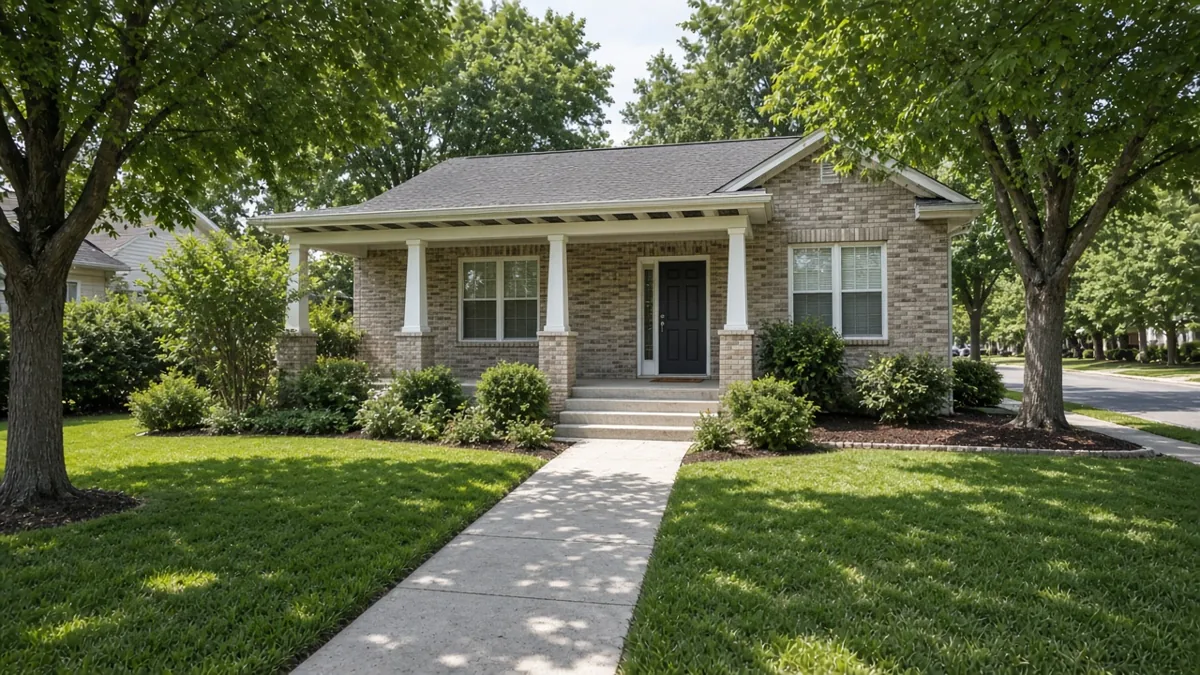
A DSCR loan Form 1007 rent schedule is the appraiser's market rent. See how it lines up with the in-place lease before coverage is set.

What is NOI in real estate? Learn the rent left after vacancy and operating expenses, before debt service, and how investors use that figure.
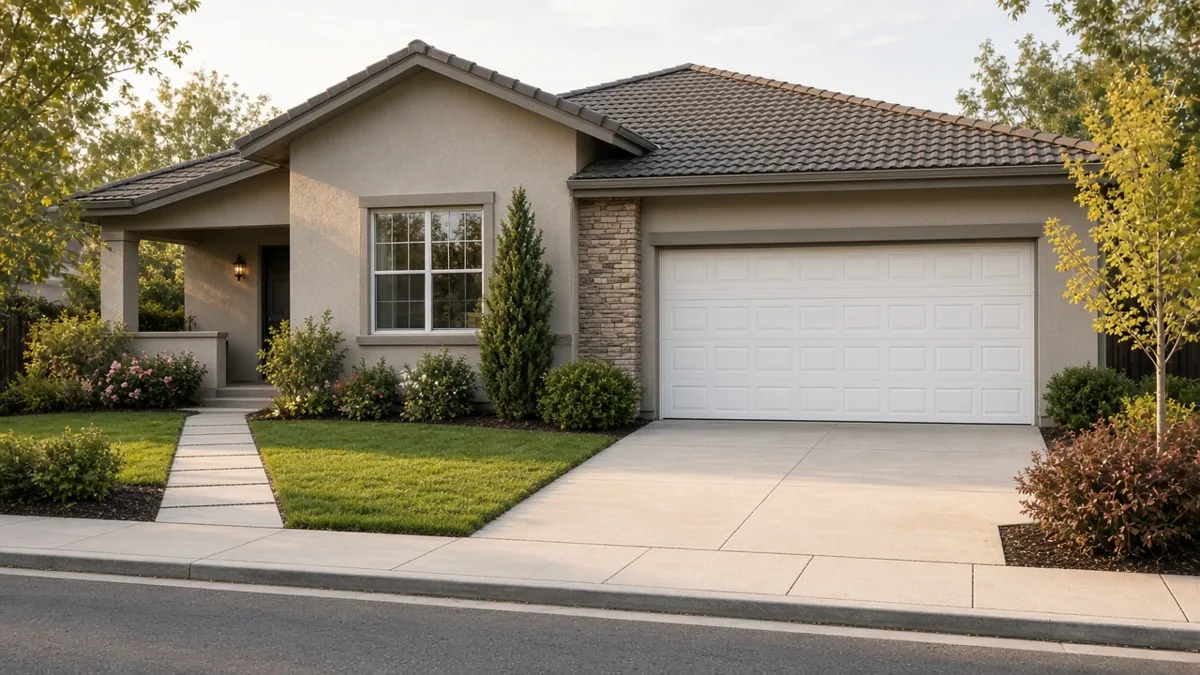
Capital gains tax on rental property starts with sale proceeds minus adjusted basis. See how a federal gain on a rental sale is measured.
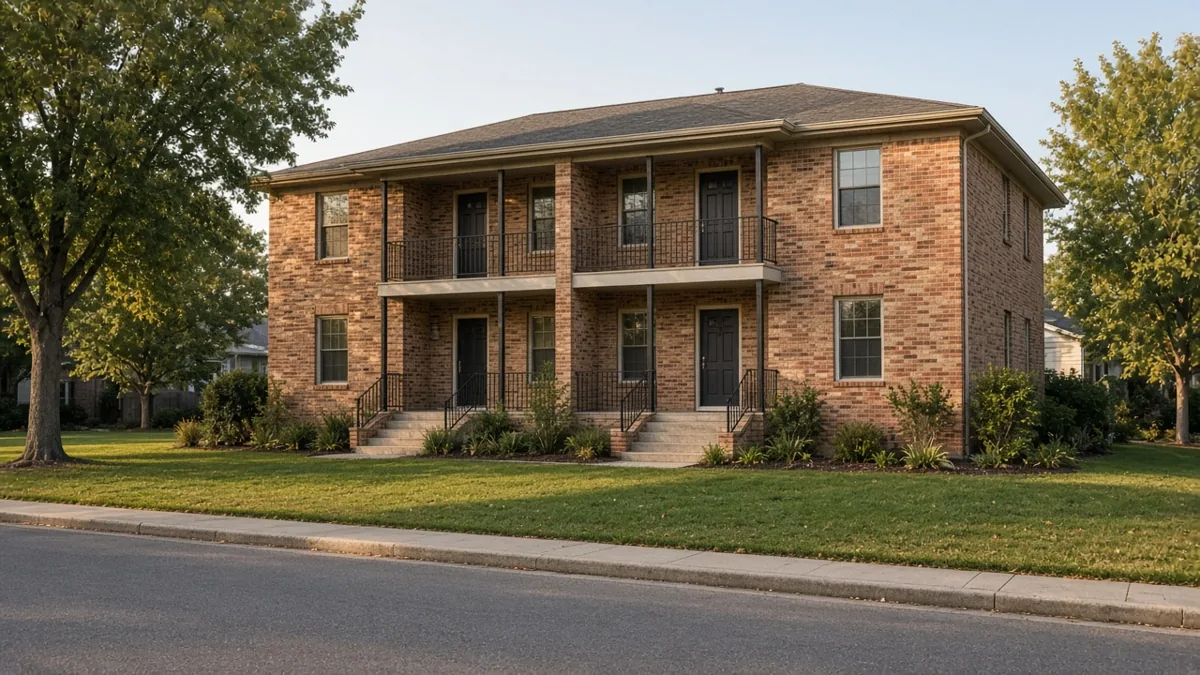
DSCR loan rates often price above an owner-occupied conventional quote. See which cash-flow file features move the price, with no rate promised.
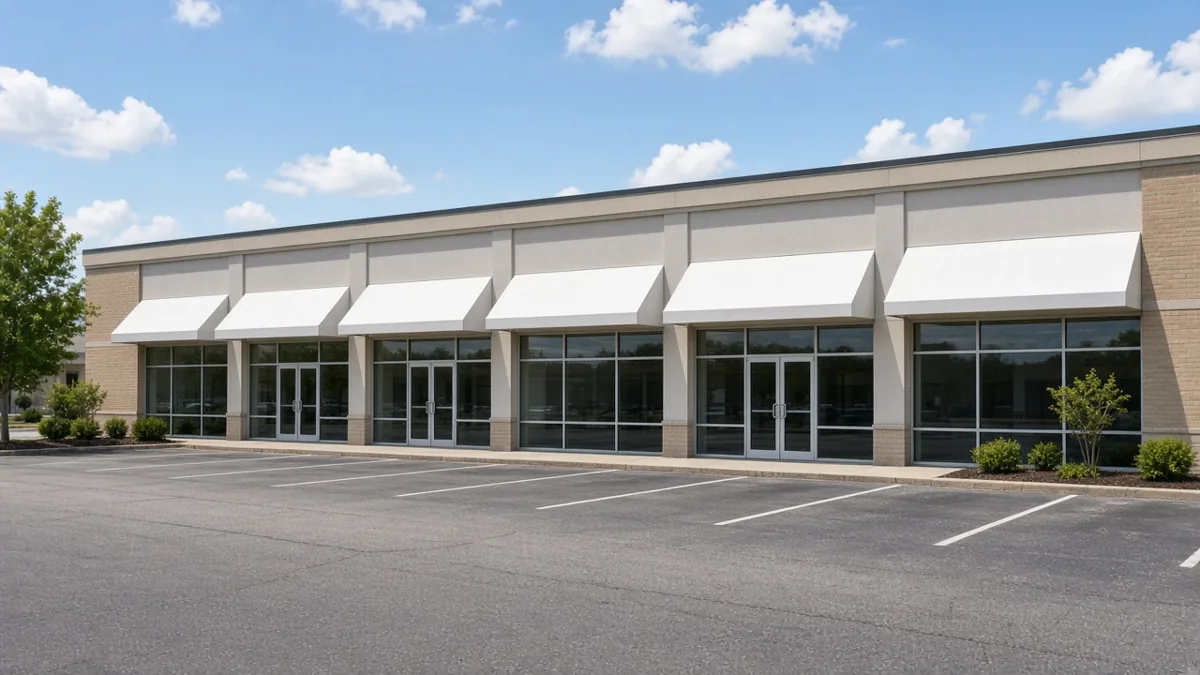
A strip center commercial loan weighs multi-tenant rollover against one net-lease tenant. See how in-place rent and vacancy shape the file.

A commercial loan tenant estoppel certificate has each tenant confirm rent, term, and deposits. See why a mismatch can stop a closing.
How does depreciation work on a rental property? See straight-line recovery of the building, with land left in a separate account.
What is a good DSCR loan ratio? A 1.00 result covers debt service, and a higher result is cushion. See why programs set different lines.

Commercial loan subordinate financing rules govern a second lien or seller carry behind a first mortgage. See why senior terms control.
A DSCR loan for trust-owned rental property hinges on trustee authority and vesting. See how a revocable trust compares with an LLC title.
How to calculate cost basis on a rental property: add the purchase price, capital improvements, and certain closing costs, then track each account.
Commercial loan ground lease financing is a leasehold loan on improvements when another party owns the land. See why term still matters.

Seller concessions on DSCR purchase can lower cash to close while rent stays the same. See how a credit and a price cut change the file.
What is a good price to rent ratio? Divide price by annual rent, compare similar rentals, and see which costs the screen never measures.
Compare a 15 year vs 30 year loan on a rental property by payment size, cash left after debt service, and how fast principal comes down.

Breakeven occupancy rate is the share of potential rent required to cover operating expenses plus debt service. See the formula in words.

Repair vs improvement rental property decides a current deduction or a cost you capitalize and recover over time. See the federal test.
Value add real estate investing lifts rent, occupancy, or expense control on a building you already hold. See how in-place income moves.
What is a good equity multiple in real estate? Divide all cash returned by cash invested, and see why that ratio leaves the calendar out.

A DSCR loan application collects rent, leases, and property cash flow instead of a consumer pre-approval wage file. See what the review actually asks for.

Learn how to calculate rental property cash flow as cash left after debt service, using collected rent, operating costs, and the full loan payment.
Single tenant vs multi-tenant commercial loan trades one-tenant credit risk for staggered rollover. See how each lease pattern changes proceeds.

DSCR loan vs portfolio loan is a per-property note versus a blanket loan that still underwrites the sponsor. Compare collateral, cash flow, and release.

See how to screen tenants for a rental property using income, credit, and rental history, applied the same way before anyone receives keys.

A life company commercial mortgage is permanent debt held on an insurer balance sheet. See how the category differs from a bank loan or a securitized one.
Commercial loan replacement reserves are monthly deposits for future capital items, separate from one-time repairs. See how each one hits cash flow.

A DSCR loan with gift of equity credits family sale value rather than a cash gift. See how investment files treat the appraisal, the credit, and gift tax.
Landlord insurance vs homeowners insurance turns on occupancy. A homeowners form assumes you live there; a leased rental needs a landlord policy.

Converting primary residence to rental property changes your depreciation basis, the in-service date, and the clock on the home-sale exclusion.

DSCR loans for rural areas still need legal access, a working well and septic, and usable comps on a house rental. See what stalls an otherwise fine file.
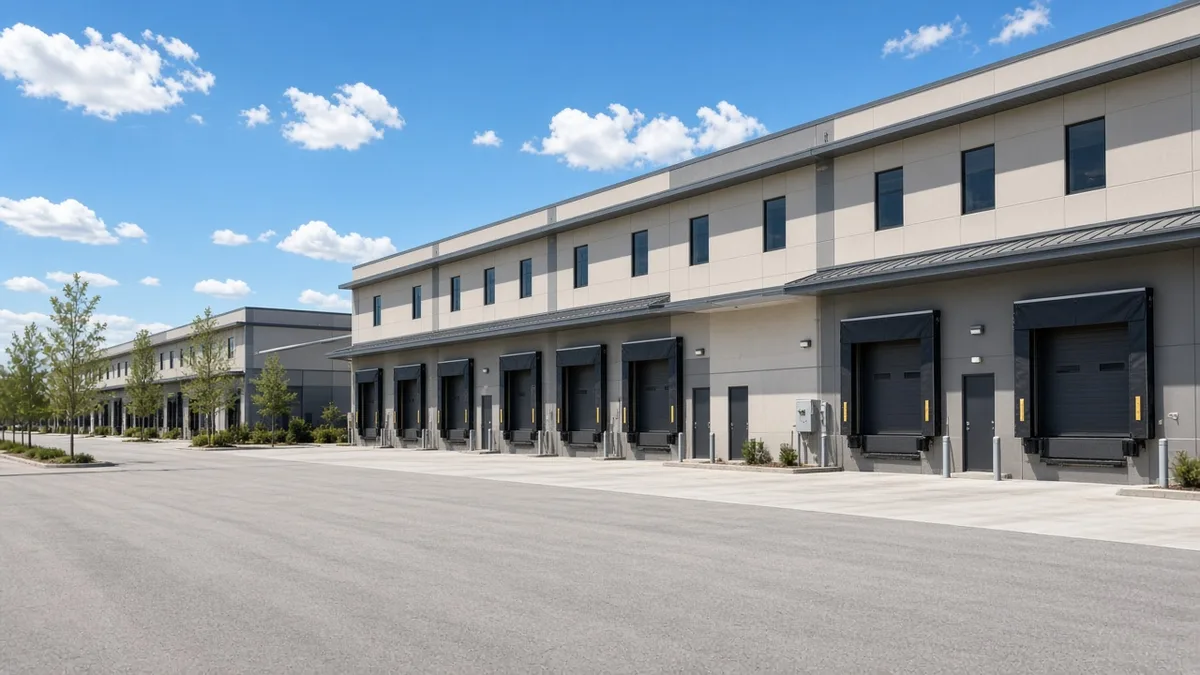
A weighted average lease term commercial loan uses remaining lease life to size proceeds. See the rent-weighted math and how a short term cuts leverage.
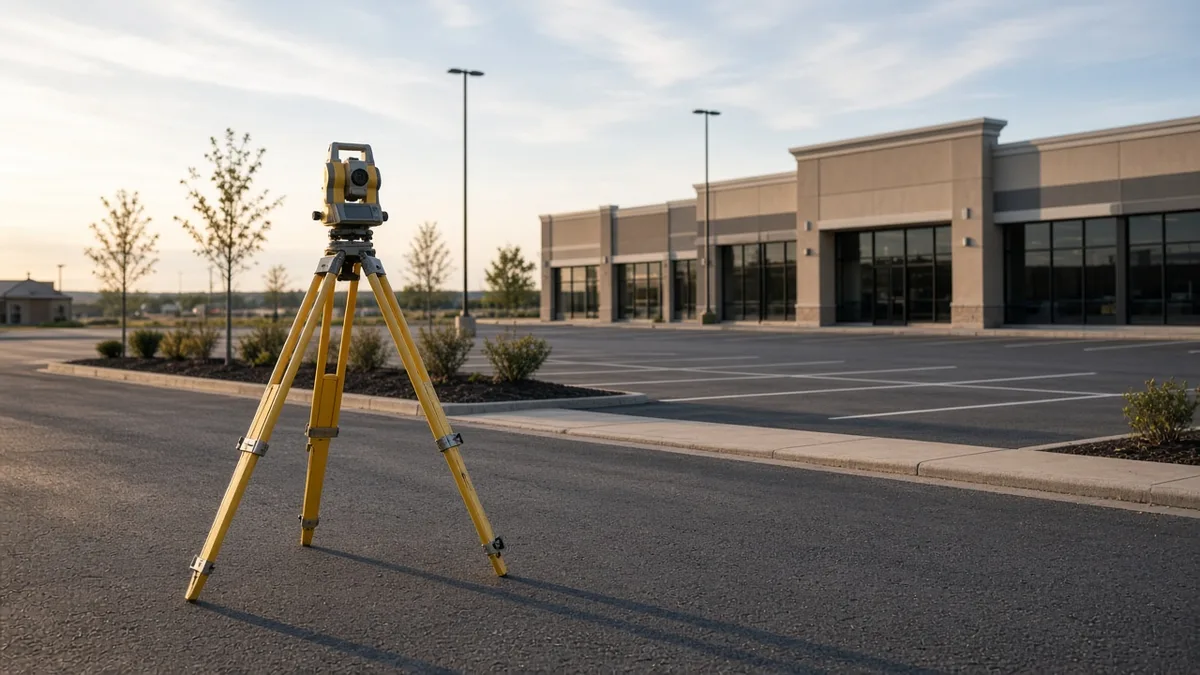
Commercial loan ALTA survey requirements flag encroachments, access gaps, and easements that stall a leased-asset close. See what to order early.
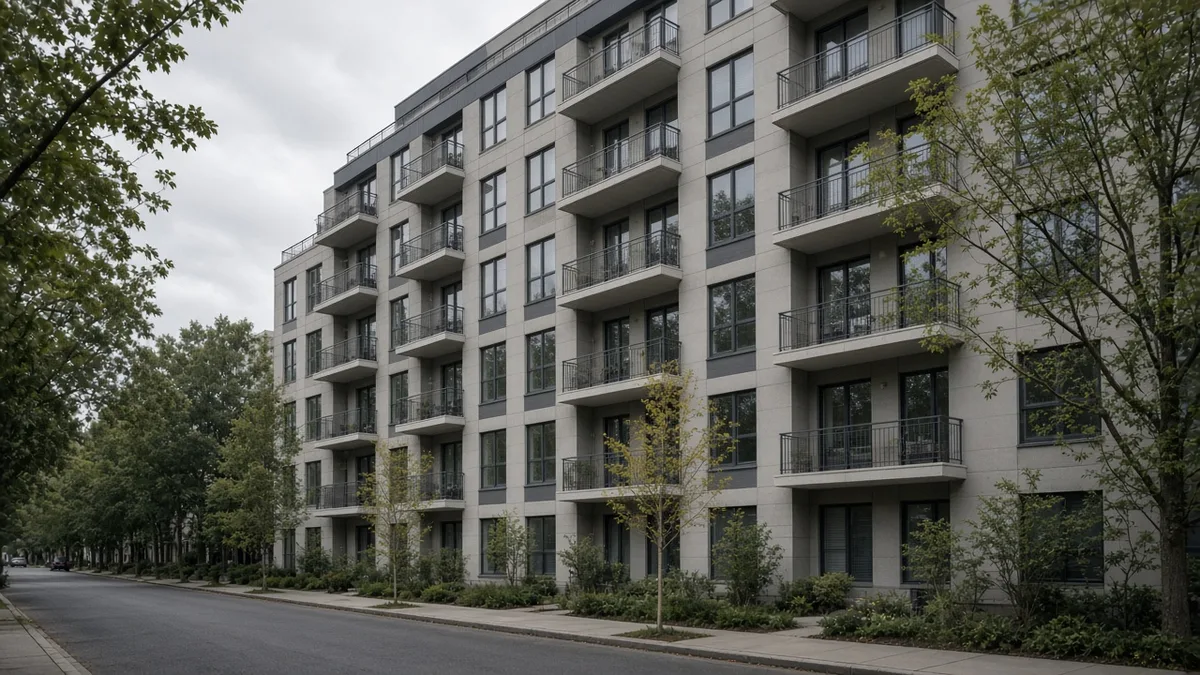
A non-warrantable condo DSCR loan turns on rental caps, litigation, and hotel-condo overlays. See how an investment unit differs from an agency file.
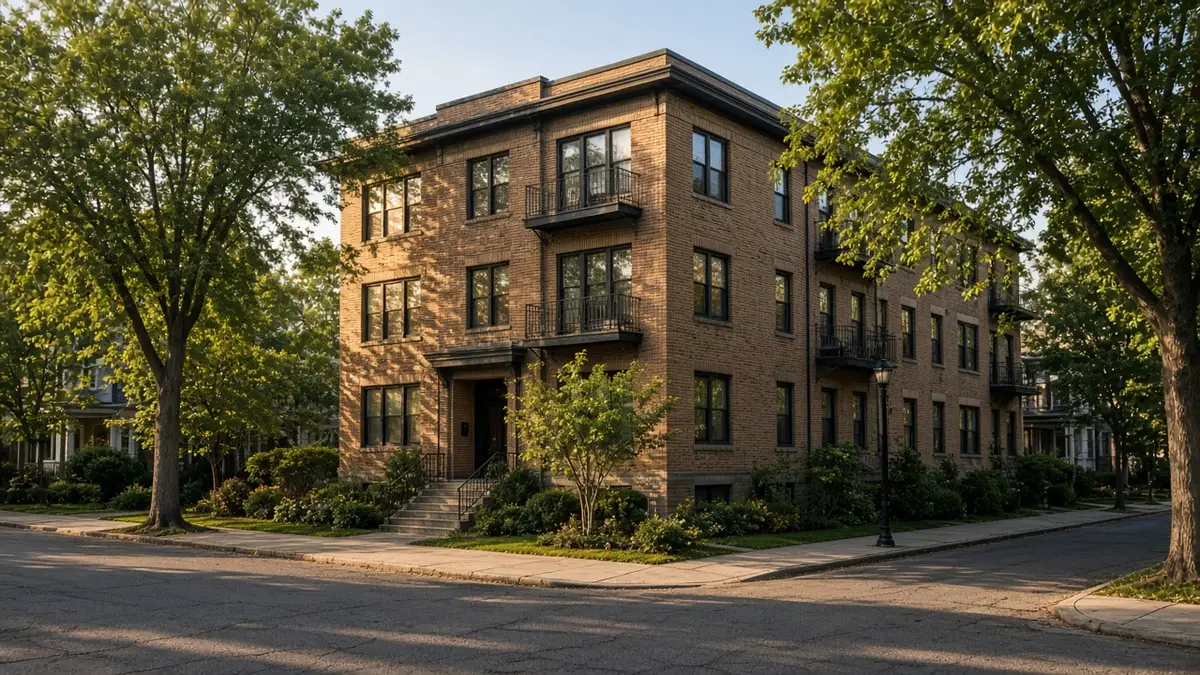
What is a 721 exchange? Property contributed to a partnership for operating-partnership units, usually without immediate gain when section 721 fits.
A Delaware statutory trust 1031 can qualify as replacement property when the trustee cannot vary the asset, which is also why you lose control.
Is rental income subject to self-employment tax? Ordinary real-estate rent usually is not. Dealer activity and substantial tenant services can be.

Should I keep an inherited rental property? Weigh keeping it, selling it, or a 1031 against stepped-up basis, not the price the decedent paid.
How to run rental property comps: price one door against nearby leased units of similar size and condition, not a metro or national rent average.
What is a good return on equity for a rental? Measure cash left after debt service against equity stuck in the property, then compare alternatives.
DSCR loan pros and cons come down to property-income qualification versus prepay, reserves, and a higher rate. See the trade before you apply.

How long does a commercial loan take to close depends on appraisal, title, and entity files. See a realistic 30-to-90-day path and what stalls funding.
Is real estate a good investment during a recession depends on cash flow, debt, and price. See which rentals held up and which bets did not.
Can a DSCR loan be owner occupied? Usually no. A primary residence fails the business-purpose test most DSCR rental programs are built on.
Is real estate a good hedge against inflation only when rent and NOI can reprice. A fixed-rate loan helps; a stale lease and high vacancy do not.

Mortgage constant commercial real estate is annual debt service divided by the loan. Compare it with the cap rate before leverage helps or hurts.

DSCR loan vs commercial loan is a 1-4 rental cash-flow file versus a commercial underwriting file. See where the product line actually changes.
Negative leverage real estate happens when debt costs more than the asset yields. See how it cuts equity returns even when the property still cash-flows.

A small balance commercial real estate loan finances stabilized local assets below institutional size. See proceeds, docs, and what small does not mean.

How interest rates affect cap rates shows up as a higher required yield and a lower price for the same NOI. See the lag and the math.
An ITIN DSCR loan is a US rental file for a borrower with a tax ID, not a foreign-national program. See what still has to be documented.
A blanket commercial loan places one lien across several stabilized properties, with release prices to free a single asset. See how proceeds are sized.
DSCR vs DTI is property cash flow versus your personal income ratio. See which test a rental loan uses and why a strong W-2 may not matter.
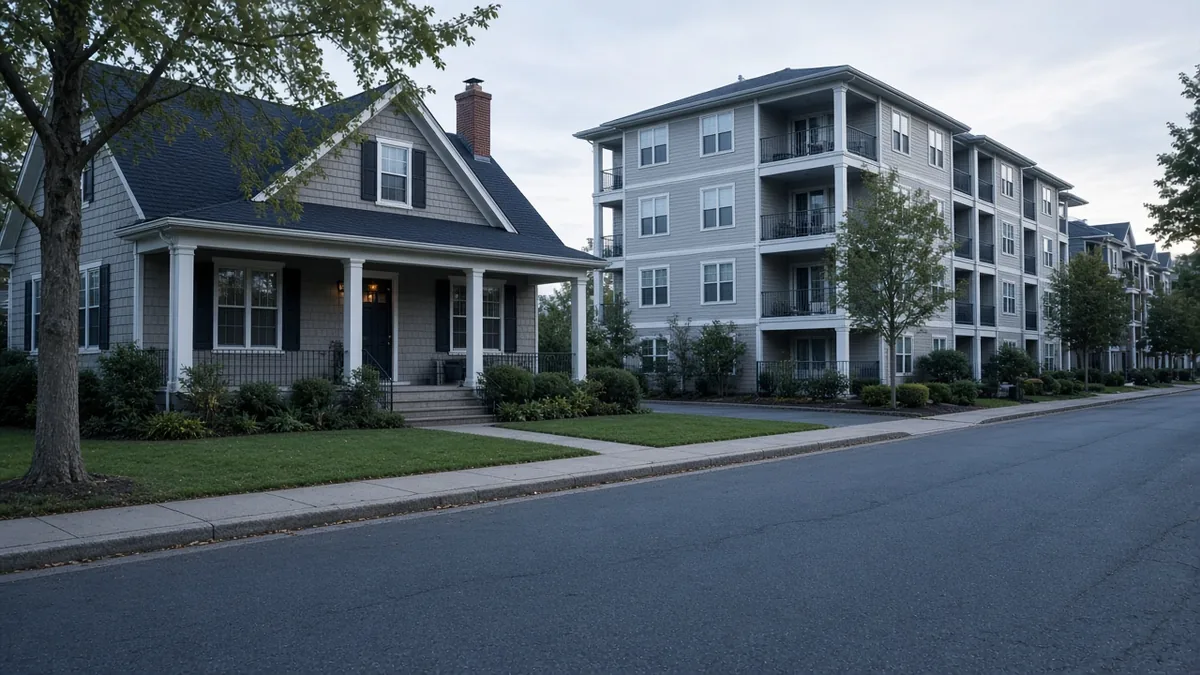
Single family vs multifamily investing is a trade between simpler doors and shared systems, vacancy math, and a different loan file. Compare both paths.
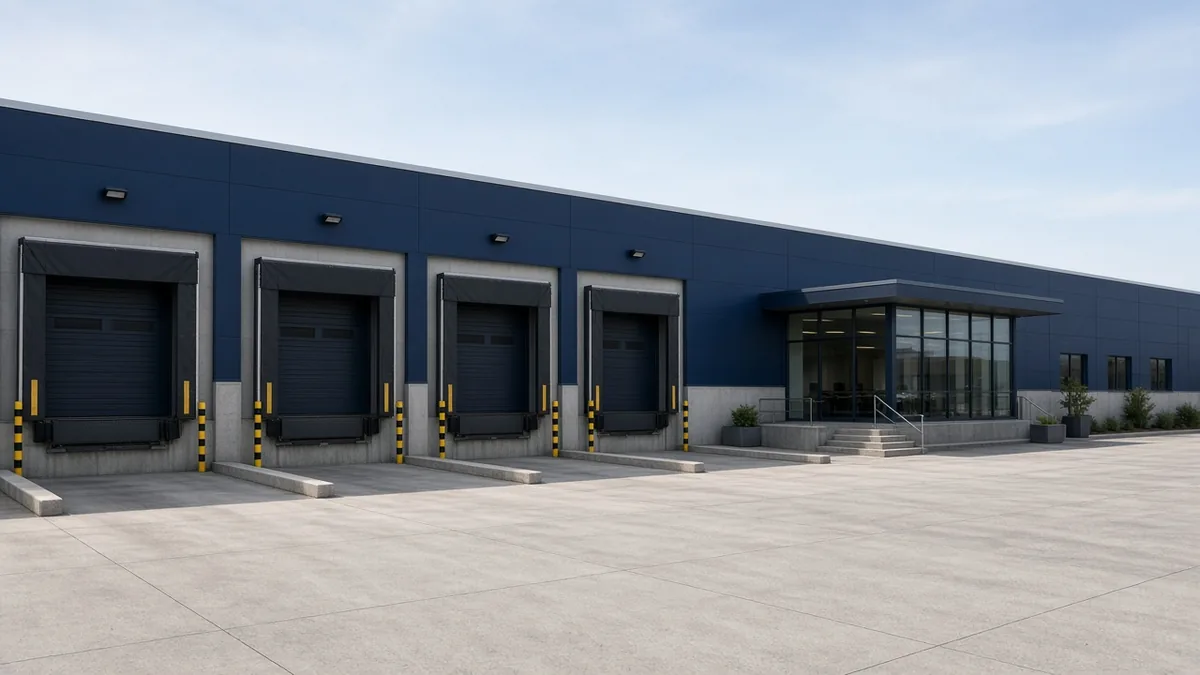
A flex industrial commercial loan finances a stabilized building that mixes warehouse and finished space. See leases, tenants, and what underwriters read.

Risks of out of state rental investing include weak management, local law, and rent you cannot verify. See the reserves a remote file actually needs.

What is a good IRR for real estate is not one national number. Compare unlevered and levered IRR with cash-on-cash before you trust a spreadsheet.
Bonus depreciation rental property is a statutory first-year deduction, not a cost-segregation study. See what it can reach and what stays on 27.5 years.

Passive activity loss rental property rules include a $25,000 allowance that phases out with income. That path is not real-estate-professional status.

Should I put rental property in an LLC is a first-door liability choice, not a deed-transfer guide. See insurance, tax default, and the loan title.
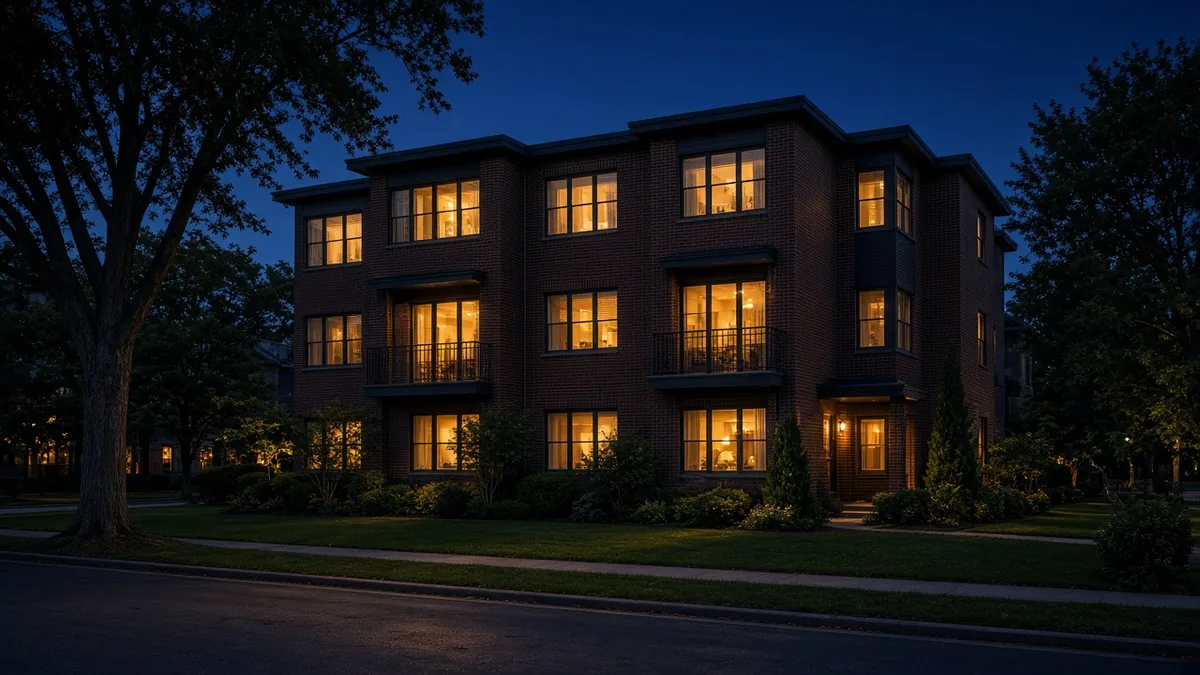
A DSCR loan for 5-8 unit multifamily sits past 1-4 residential DSCR. See where small-balance overlays start and when the file leaves that lane.

A rate and term commercial refinance replaces existing debt without cash-out. Compare it with a cash-out and the prepay friction that can erase the win.
Section 8 real estate investing is cash-flow insurance, not a slogan. Model HAP reliability, inspection-fail risk, and payment-standard ceilings vs rent.
A fixed vs floating rate commercial loan is payment certainty versus SOFR-plus. See when a rate cap shows up in the loan docs and why it matters.

How much does an eviction cost is not one national total. Build a reserve from lost rent, legal fees, and turnover. Ranges vary by court; not legal advice.

Turnkey rental properties often bake in a wholesale-to-retail markup plus a captured management fee. Tell a cash-flow product from a fee stack.
An agency multifamily loan explained in plain terms: term, assumability, and occupancy tests versus bank and CMBS paper, without naming originators.
A DSCR loan after foreclosure, short sale, or deed-in-lieu is overlay-driven. Compare those waiting periods with bankruptcy seasoning, not a guarantee.

What is a good gross rent multiplier is not one national number. Convert GRM to an implied cap rate at different expense ratios before you trust it.
The 50 percent rule real estate investors use is an expense screen, not NOI. See when 50% is too conservative or too optimistic, then replace it.
Credit tenant lease financing sizes to tenant credit and remaining lease term, not generic NNN rent. See how investment-grade tenancy changes the file.

QBI deduction for rental property is not real-estate-professional status. The 250-hour safe harbor is separate; cost segregation can wipe year-one QBI.

A DSCR loan pre-approval is usually a scenario or term sheet, not a consumer mortgage letter. See what it actually confirms before you write an offer.

How to invest in a real estate syndication as an LP: underwrite sponsor, waterfall, and preferred return, and see when a check beats a leveraged rental.

Opportunity zone investing: QOF vs QOZB, and a ten-year exclusion vs deferred-gain recognition. A passive NNN hold often fails the active-business test.

Commercial loan debt yield vs DSCR minimums are two risk checks on the same deal. See why a file can clear one ratio and still fail the other.
A DSCR loan for mixed-use property can work when the file stays residential-dominant. See how commercial square footage changes underwriting and docs.

Mortgage note investing is performing-note yield plus foreclosure and servicing risk. Compare being the paper lender with being the landlord.

A DSCR loan for townhouse investment property turns on PUD docs and dues, not condo warrantability. See how a townhouse rental file is sized.

Fix and flip vs buy and hold is after-tax: ordinary income now versus depreciation and a later exchange. Compare wealth, not a construction-loan pitch.

A jumbo DSCR loan is $1M+ investment financing. See how reserves, LTV, and appraisal count change versus a consumer jumbo mortgage.

A reverse 1031 exchange explained: buy the replacement first so the 45- and 180-day clocks do not blow. See when reverse beats a delayed swap.

What is a CMBS loan? Learn how conduit securitization typically drives term, prepay, and servicing rigidity on a leased investment asset.

A DSCR loan for fourplex assets uses Form 1025 rent support and unit income, not house-hack occupancy, on a fully investment 4-unit.

Should I pay cash or finance a rental property? Compare unlevered yield, cash-on-cash return, and opportunity cost before you wire the full price.
Sale leaseback commercial financing unlocks seller-operator cash and creates a financeable NNN lease the buyer can take to a lender.
A DSCR loan for Section 8 rental property may use HAP or voucher rent versus a market-rent schedule. See what the HAP contract adds.

How many rental properties to retire? Back into unit count from target monthly income, then compare leveraged cash flow versus paid-off rent.
A mezzanine loan commercial real estate stack sits behind the first mortgage. See the intercreditor terms that matter to the sponsor.
Assuming a commercial real estate loan means the buyer takes in-place debt. See approval, assumption fee, and sponsor-credit steps.
A DSCR loan for build-to-rent portfolio assets underwrites a stabilized BTR community, not a one-off SFR file or a construction pitch.

Short-term rental vs long-term rental investing: compare ops load, material participation, and REPS—not just nightly rates versus a 12-month lease.

A commercial loan SNDA agreement covers subordination, non-disturbance, and attornment tenants and buyers need before a leased close.

A DSCR loan after bankruptcy turns on discharge versus title seasoning. See how the Chapter 7 and Chapter 13 clocks typically differ.

A self-directed IRA for rental property can shelter gains—until UDFI, prohibited transactions, and no-sweat-equity rules make taxable leverage better.

How to structure a real estate partnership: JV vs syndication vs TIC, who signs the loan, who guarantees, and how a partner buyout gets funded.

The real estate market cycle runs recovery, expansion, hypersupply, and recession. Change leverage, reserves, and buy posture by phase—not headlines.

REIT vs rental property: compare leverage, liquidity, concentration, and control so you pick a vehicle—not a slogan about owning real estate.
Cap rate vs cash on cash return: unlevered asset yield versus levered cash yield—and why higher rates make the two numbers diverge on the same deal.

How much do property managers charge? Model Year-1 all-in cost—management percent, leasing, renewal, and vacancy—not the advertised 8–12% fee.
A cost segregation study for rental property can accelerate depreciation and lift after-tax cash flow—or create unused losses. Hold period decides.

A DSCR loan for a single family rental qualifies on market rent, not W-2 pay. See when a 1-unit long-term rental is the cleanest file.

HUD 223f loan requirements cover purchase and refinance of existing 5+ unit investment multifamily: term, LTV, DSCR, and per-unit sizing tests.
How many DSCR loans can you have is not Fannie's 10-property cap. See exposure limits, reserve stacking, and when a portfolio hits a wall.

Learn how to calculate NOI for a commercial loan: which add-backs stick, which expenses get excluded, and how underwritten NOI sets proceeds.

Real estate professional status requirements are IRS time tests, not a license. See the 750-hour rule, majority-time test, and the spouse path.

Commercial loan defeasance explained: how Treasury substitution replaces a prepay, when it costs more than a cash payoff, and what to model.

A DSCR loan vs HELOC for investment property is first-lien property income versus a revolving line that still underwrites you. Compare uses.

S corp vs LLC for rental property is a tax-election question, not just vesting. See why an S election can trap basis, 1031 flexibility, and step-up.
A long-term rental DSCR loan often qualifies on a 12-month lease instead of STR projections. See when LTR income is the simpler path.
T12 commercial loan underwriting uses trailing-twelve statements, not a rosy pro forma. See which line items get haircut and how NOI sets proceeds.

How to transfer rental property to an LLC without triggering due-on-sale: deed vs refinance-into-entity, insurance, and what to check first.

A commercial loan due diligence checklist for investment closes: third-party reports, lease files, entity docs, and items that stall funding.

How to increase DSCR on a rental property: more down payment, PITIA cuts, and stronger rent support. Practical levers, not a formula recap.

When to sell a rental property versus hold, 1031, or cash-out: remaining depreciation, recapture, and whether the next door's cash-on-cash wins.
Depreciation recapture on rental property is not one tax. Model 1250 vs 1245, 1031, or hold-to-death before you list—not after the contract.

Should I pay off my rental property or keep the mortgage? Compare after-tax cost of debt versus deploying that cash into another income property.

What is a good cash on cash return depends on strategy, leverage, and rate. See benchmarks for LTR, value-add, and STR—and what moves the number.

The 1 percent rule in real estate investing is a fast screen most metros fail. Use it as a filter, then replace it with cash-flow and DSCR math.
Is now a good time to buy rental property? Score a business-purpose buy against rates, rent growth, vacancy, and inventory—not a perfect Fed cut.

Financing a medical office building investment? Learn how tenant credit, remaining lease term, and specialized buildout affect commercial underwriting.

Inheriting a rental property? Learn how DSCR financing can help with probate timing, cash-out, or buying out co-heirs on an investment property.

How does earnest money interact with a financing contingency on an investment purchase? Learn what protects your deposit if financing falls through.

Recourse carve-outs on a nominally non-recourse commercial loan are negotiable in some cases. Learn what drives flexibility and what usually doesn't.

Does your DSCR loan require a property tax escrow account? Learn how escrow requirements work on rental financing and what it means for cash flow.

Commercial title insurance works differently than residential coverage. Learn what a lender's policy covers and why endorsements matter on a deal.

Financing a property leased for corporate housing? Learn how DSCR underwriting treats corporate lease income differently than standard tenancy.

Yield maintenance prepayment penalties can be expensive to underestimate. Learn how the calculation works before you plan an early payoff.

Paying points to lower your DSCR loan rate can improve cash flow, but breakeven math depends on hold period. Here's how to run the numbers.

Considering a co-borrower on a DSCR loan? Learn how adding a partner affects underwriting, ownership structure, and liability on investment financing.

Manufactured housing communities have distinct underwriting compared to standard multifamily. Learn what commercial lenders evaluate on this property type.

Buying a rental property with deferred maintenance? Learn how repair escrow holdbacks work on DSCR financing and what triggers a lender to require one.

Gas station and convenience store financing carries specialized underwriting around environmental risk and fuel-related equipment. Here's what to expect.

DSCR loan pricing and terms shift across loan-to-value tiers. Learn how leverage level affects your rate, reserve requirements, and overall deal structure.

Buying an office condo unit instead of a full building changes the financing picture. Learn how HOA structure affects commercial underwriting.

Can gift funds cover a DSCR loan down payment? Learn how gift letter requirements work on business-purpose investment financing.

HOA and condo dues change the DSCR math on an investment rental. Learn how monthly dues get added to PITIA and what that means for qualifying.

Comparing ARM and fixed-rate DSCR loans for investment property? Learn how payment shock at recast affects your DSCR ratio over time.

Mid-term rentals sit between short-term and long-term. Learn how DSCR loans evaluate 30-90 day stays differently than STR or annual lease income.
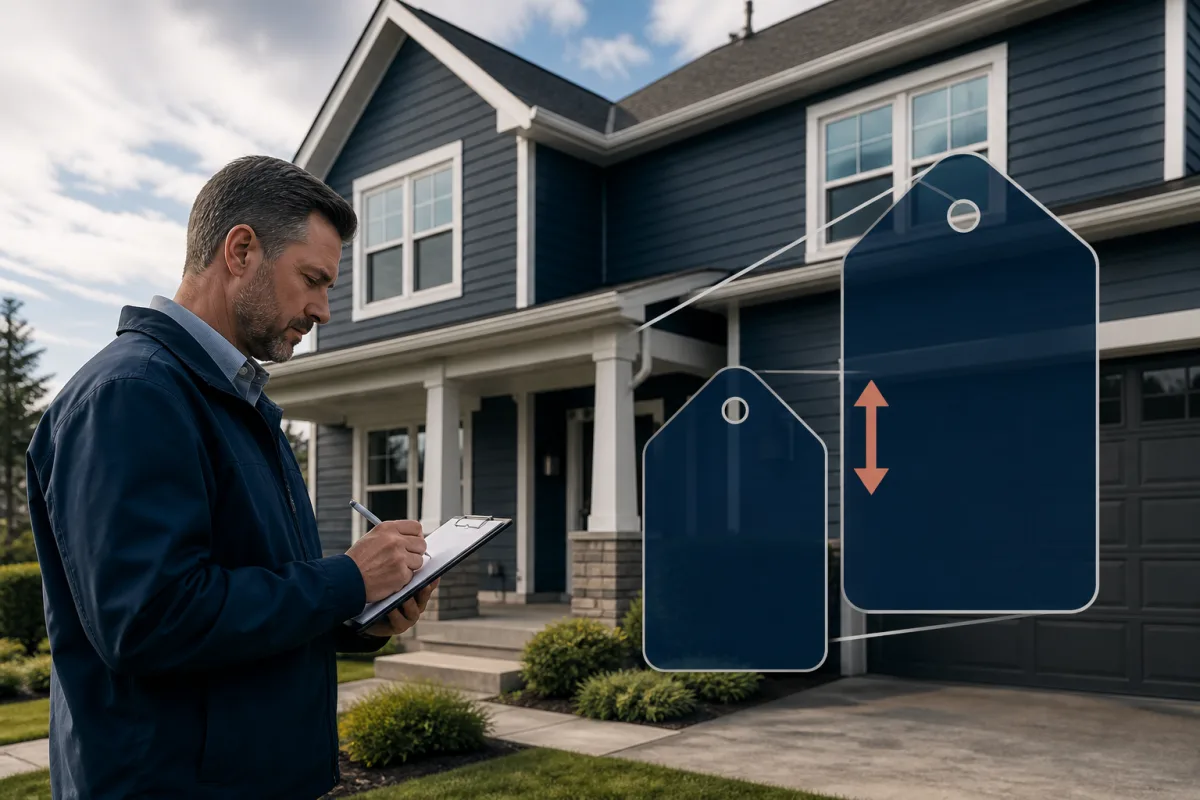
If a DSCR loan appraisal comes in below the purchase price, learn how the lower-of price-or-value rule affects your loan amount and cash to close.

Financing a rental with an accessory dwelling unit? Learn how ADU rental income enters DSCR qualification and what permit status matters.

Understand how balloon payments work on commercial investment loans, why lenders use them, and how to plan for the takeout at maturity.

Commercial investment loans often include ongoing covenants beyond the initial approval. Learn what DSCR, LTV, and occupancy covenants require.

Coordinating 1031 exchange timelines with commercial loan underwriting takes planning. Learn how identification deadlines interact with financing.

Choosing between amortizing and interest-only commercial financing changes your DSCR ratio and exit math. Learn how each structure affects your deal.

Marinas are a specialized commercial property type with unique income and environmental considerations. Learn what financing typically requires.
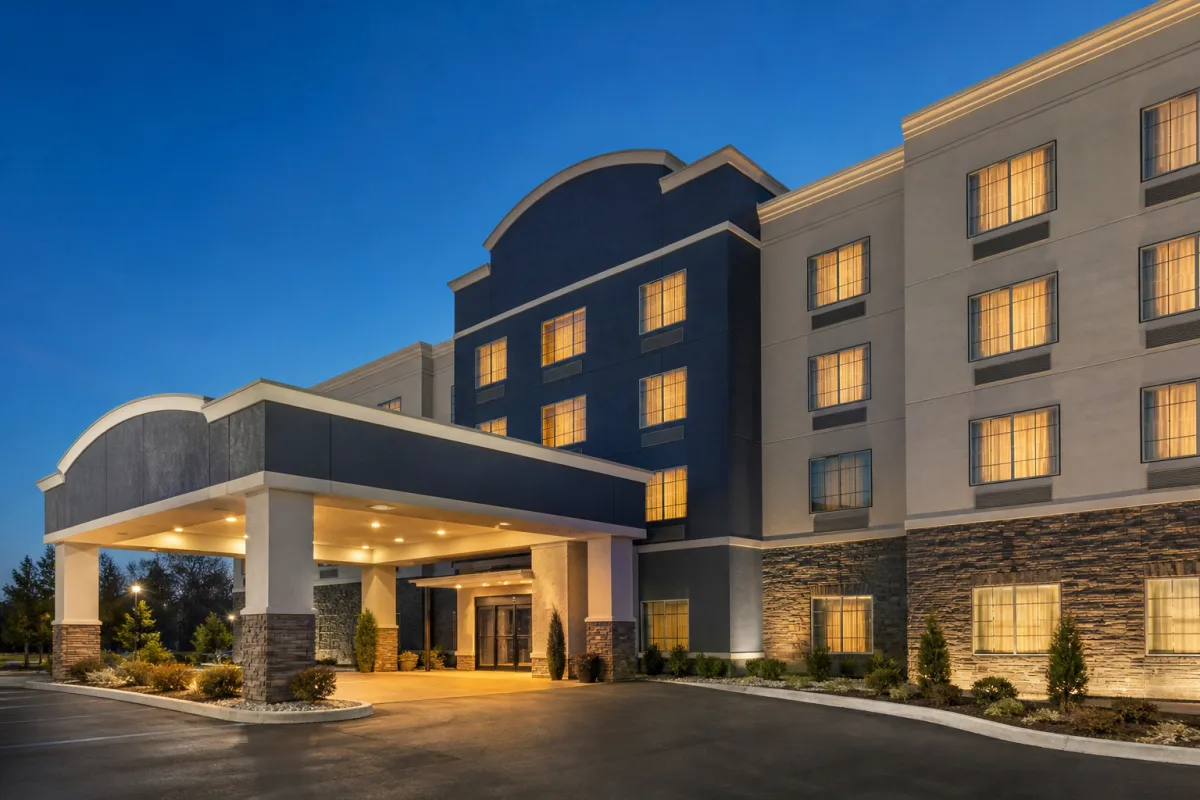
Acquiring a stabilized, existing hotel? Learn how hospitality financing evaluates RevPAR, brand affiliation, and operating history for investors.

Cap rate values a property; DSCR qualifies a loan. Learn the difference between these two commonly confused investment property metrics.

Exiting a hard money bridge loan into long-term DSCR financing? Learn how seasoning requirements and timing traps affect the refinance.

Cash to close on an investment property is more than the down payment. Learn what prepaids, reserves, and closing costs add to your total funds needed.

Commercial loan seasoning requirements for cash-out: title-hold time, value caps, and how seasoning differs from prepayment penalties.
DSCR loan minimum property value and loan-amount floors: why cheap rentals fail sizing, appraisal lower-of rules, and checks before offering.

Commercial real estate loan rate lock: timing, deposits, extensions, and how CRE locks differ from consumer mortgage locks on rentals.

DSCR loan property insurance requirements: landlord forms, named insured, STR gaps, and how quotes change PITIA and the DSCR ratio.

Commercial loan environmental Phase I: what the ESA looks for, who must rely on it, and how findings can delay investment CRE financing.

DSCR delayed financing exception: cash-purchase refinances sooner than standard seasoning, purchase-price caps, and funds-tracing traps.
Commercial loan personal guarantee explained: full vs limited vs carve-outs, who signs, and how CRE differs from many 1–4 DSCR files.

DSCR loan rent roll requirements: in-place leases vs market rent, vacant units, STR reports, and how underwriters test rental income.
Financing a student housing property: lease-by-bed vs unit, academic calendars, and why it is not a ordinary 1–4 long-term DSCR rental.

Seller financing vs DSCR loan for investment purchases: flexibility, due-on-sale risk, and when a later DSCR refinance still matters.

How a vacant property DSCR loan uses market rent instead of leases—haircuts, reserves, insurance, and lease-up risk versus cash flow.

DSCR vs bank statement investment loan: property-income qualification versus personal-deposit underwriting for business-purpose rentals.

Financing an RV park investment property: pad-site income versus individual mobile homes, occupancy metrics, and commercial underwriting.

Cross collateralization for real estate investors: blanket liens can raise proceeds—and one default can put the whole property pool at risk.

What an investment property loan pre-approval process verifies—credit, assets, entity, property type—before you offer. Not an application.

See how a DSCR loan for vacation rental property uses seasonal income and comps to qualify investors buying short-term rental homes.

Understand what a non-recourse commercial loan protects, what carve-outs still create personal liability, and when investors use one.
Learn what seasoning means for DSCR loans, how title-hold time affects cash-out value, and how it differs from a prepayment penalty.
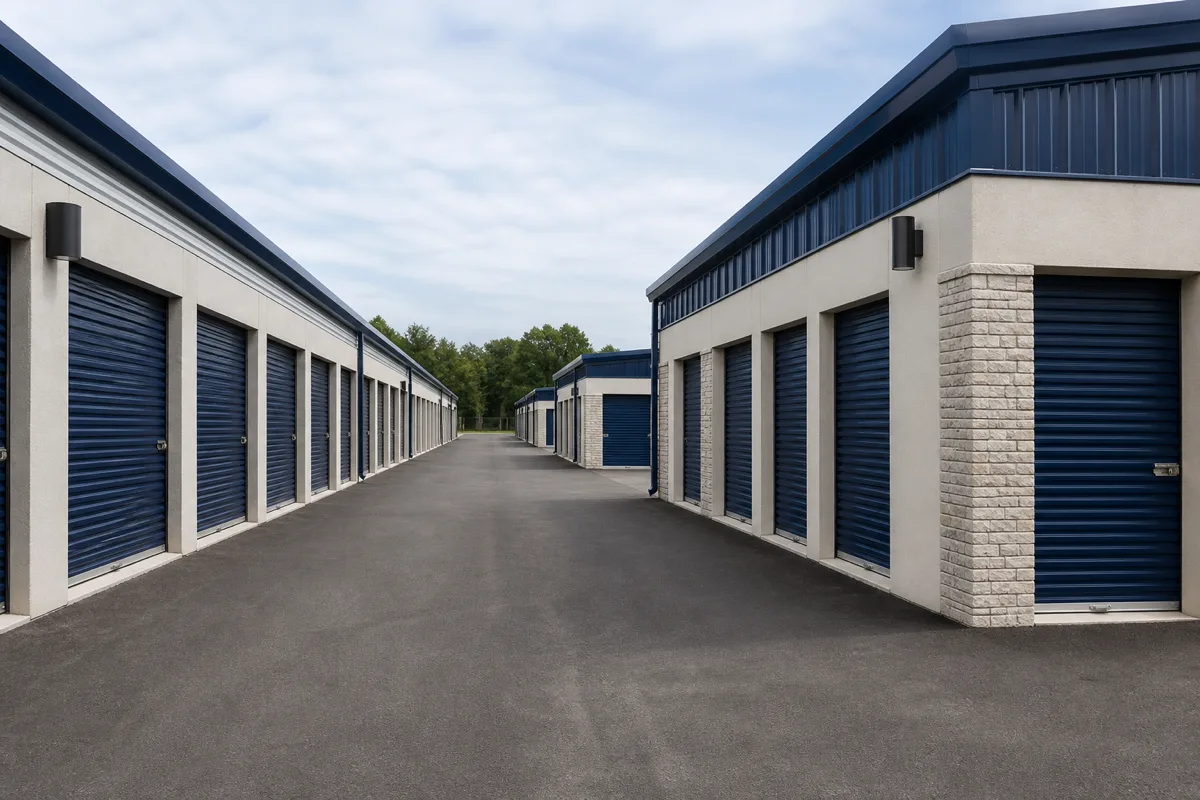
How investors finance self-storage facilities as commercial investment property, from occupancy metrics to loan structure and reserves.
What investors need to qualify for a commercial bridge loan — exit strategy, LTV, reserves, and how it differs from permanent debt.
Compare DSCR loans and hard money loans for investment property — rate, term, qualification basis, and when investors typically use each.

How DSCR loans help out-of-state investors buy rental property without local income or in-person underwriting requirements.
How investors finance a growing single-family rental portfolio, from individual DSCR loans to blanket portfolio financing structures.
A breakdown of typical commercial loan closing costs — origination, appraisal, legal, title, and underwriting fees to budget for.
Why DSCR loans work for 1099 and self-employed investors whose tax write-offs suppress income shown on conventional loan applications.
What debt yield means in commercial loan underwriting, how it's calculated, and why lenders use it alongside DSCR and LTV.
What DSCR loan closing costs typically include — origination, appraisal, title, reserves — and how to budget beyond the down payment.
How investors use a 1031 exchange to roll sale proceeds into a DSCR-financed replacement property while deferring capital gains tax.
How net lease (NNN) commercial property financing differs, from tenant credit underwriting to lease term and loan structure considerations.

Why conventional loans cap financed properties around 10, and how DSCR and commercial financing let investors keep scaling past that limit.
Explore DSCR loans with LLC vesting—entity docs investors prepare, personal guarantees, and title vesting basics. Includes checklists and common pitfalls.
Learn typical DSCR loan reserves requirements for investment rentals—months of PITIA, documentation, and planning tips. Includes checklists and common.
See how DSCR-style financing may work for foreign national investors—docs themes, entity vesting, and practical limits. Includes checklists and common.

Understand no-ratio DSCR loans—how sub-1.0 coverage deals are priced, typical tradeoffs, and investor caution points. Includes checklists and common.

Financing investment condos with DSCR loans—HOA factors, warrantability themes, and STR condo caution points. Includes checklists and common pitfalls.
Why self-employed investors use DSCR loans—property cash flow vs personal tax returns, and prep tips that help. Includes checklists and common pitfalls.
Prepare commercial loans for LLC borrowers—entity docs, guarantees, rent rolls, and investment-property framing. Includes checklists and common pitfalls.

Understand commercial loan interest-only periods—when IO helps cash flow, refinance risk, and questions to ask. Includes checklists and common pitfalls.
Walk through the commercial property appraisal process—approaches to value, rent comps, and what slows reports down. Includes checklists and common.
Compare commercial loan prepayment penalty types—yield maintenance, step-down, and questions investors should ask. Includes checklists and common pitfalls.
Compare SBA 7(a) vs conventional commercial loans for investment scenarios—use cases, tradeoffs, and fit checks. Includes checklists and common pitfalls.

Typical DSCR loan requirements for investment rentals — credit ranges, reserves, docs, LTV, and property cash-flow focus. Educational only.
Financing small industrial investment property—warehouse/flex basics, lease structures, and commercial loan prep. Includes checklists and common pitfalls.

Financing a townhouse investment property—HOA impacts on DSCR, rental restrictions, and investor due diligence. Includes checklists and common pitfalls.

Learn how portfolio DSCR loans help investors finance multiple rental properties with cash-flow underwriting instead of personal W-2 income.

Learn what a DSCR loan is, how debt service coverage ratio underwriting works for investment rentals, and when investors use cash-flow qualification.
How landlords use debt service coverage ratio on rental property to underwrite deals before talking to financing partners. Formula, examples, pitfalls.

Walk through the DSCR loan calculator formula with example numbers for investment rentals. Learn inputs, pitfalls, and how to stress-test cash flow.

See what drives a DSCR loan closing timeline for investment rentals — appraisal, title, insurance, entity docs, and how to prepare.
Compare house hacking vs investment DSCR loans—occupancy rules, qualification differences, and when each path fits. Includes checklists and common.
Plan an investment property cash-out refinance strategy—equity uses, DSCR vs commercial framing, and timing risks. Includes checklists and common pitfalls.

Understand commercial real estate loans for investors — business-purpose financing basics, property types, and how to prepare an inquiry.

How property-income qualification works for investment property loans without traditional W-2 underwriting. DSCR-style paths explained for investors.

How short-term rental DSCR loans approach STR and Airbnb-style cash flow documentation for investment properties. Seasonality, evidence, and prep tips.

Prepare commercial property loan requirements with a practical checklist: entity docs, leases, rent roll, experience narrative, and reserves.
Side-by-side comparison of DSCR loans vs conventional investment loans — income docs, occupancy, when investors consider each business-purpose path.

How DSCR refinance works for investment rentals — rate-and-term vs cash-out framing, cash-flow checks, and prep steps for business-purpose refinances.

How a cash out refinance DSCR loan can pull equity from investment rentals while keeping business-purpose framing. DSCR math, uses, and risks.

Educational DSCR loan credit score requirements for investment rentals — common ranges, compensating factors, and what else capital sources review.

Explore mixed-use property financing for investment assets — retail/residential mix, underwriting themes, and how to prepare a strong inquiry.

Typical DSCR loan down payment and LTV educational ranges for investment rentals. Learn how cash flow, credit, and property type affect equity needs.
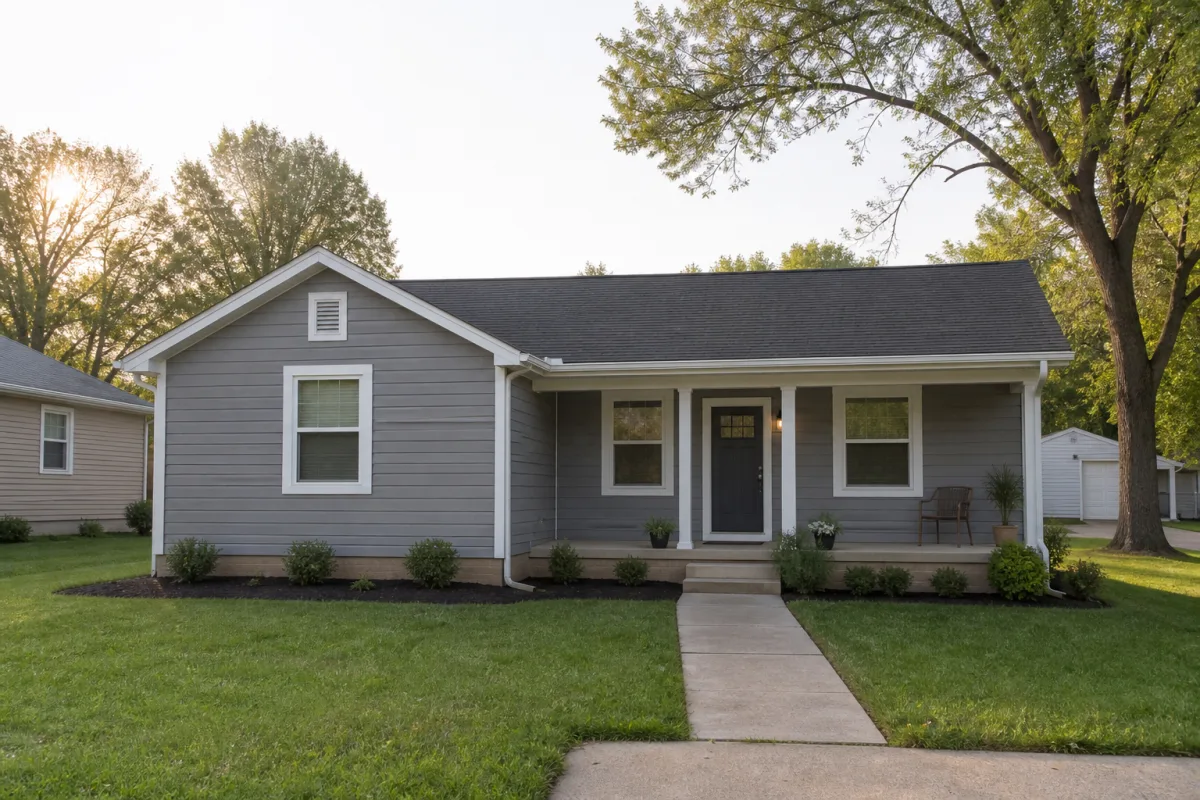
Where first-time investors may fit DSCR loans on 1–4 unit rentals vs experienced overlays on 5–8 units. Prep, cash flow, and realistic expectations.
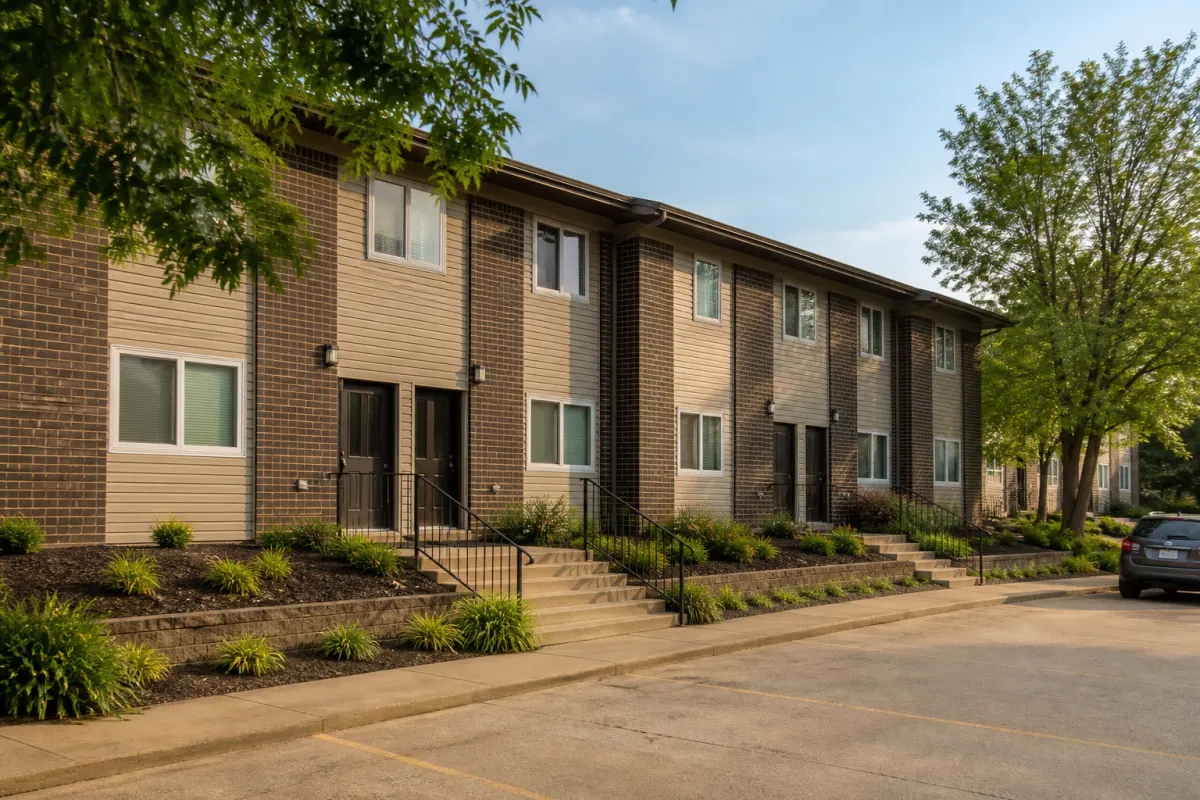
Learn how small multifamily commercial loans work for 4–10 unit investment properties — cash flow, experience overlays, and prep tips.

Compare commercial loans vs residential investment loans — business-purpose CRE, 1–4 unit DSCR paths, and how investors choose a lane.

DSCR loan themes for Airbnb-style investment properties — STR income evidence, seasonality, insurance, and business-purpose financing considerations.

How DSCR loans work from property selection to inquiry — rents, ratio math, docs, and review steps. Educational process overview for investors.

Why DSCR loan prepayment penalties exist, how common structures work, and questions investors should ask before closing investment financing.

When interest-only DSCR loan structures appear in investment financing conversations — payment math, DSCR effects, risks, and questions to ask.

Understand light documentation commercial loans for investment property — what “light doc” usually means, what still matters, and how to prepare.

Learn how a commercial cash-out refinance can unlock equity in investment property for CapEx, reserves, or the next acquisition — educational only.
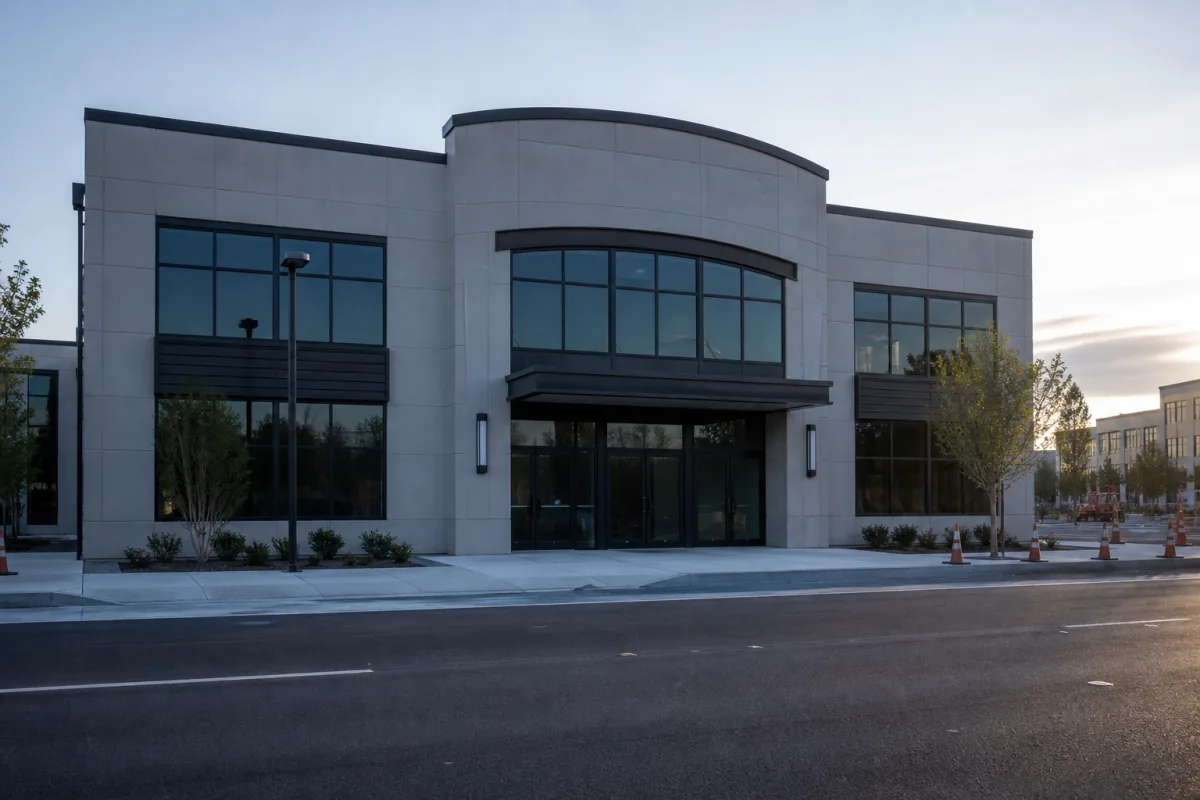
Compare bridge loan vs permanent commercial financing for investment property — when short-term capital fits and when longer structures make sense.

Clarify owner-occupied commercial mortgages vs investment commercial loans — and why this site focuses on business-purpose investment property.

See how DSCR works in commercial real estate underwriting versus dedicated rental DSCR products — formulas, examples, and investor takeaways.

Understand fix and hold commercial financing for investment property — stabilized vs value-add framing, CapEx planning, and refinance timing.

Review educational commercial loan LTV guidelines for investment property — how leverage interacts with DSCR, reserves, and property type overlays.

Learn financing options for a duplex investment property — DSCR-style cash-flow paths, down payment themes, and what to prepare before you inquire.

Explore financing for a triplex investment property — cash-flow underwriting, 3-unit operations, reserves, and how DSCR-style paths may fit.
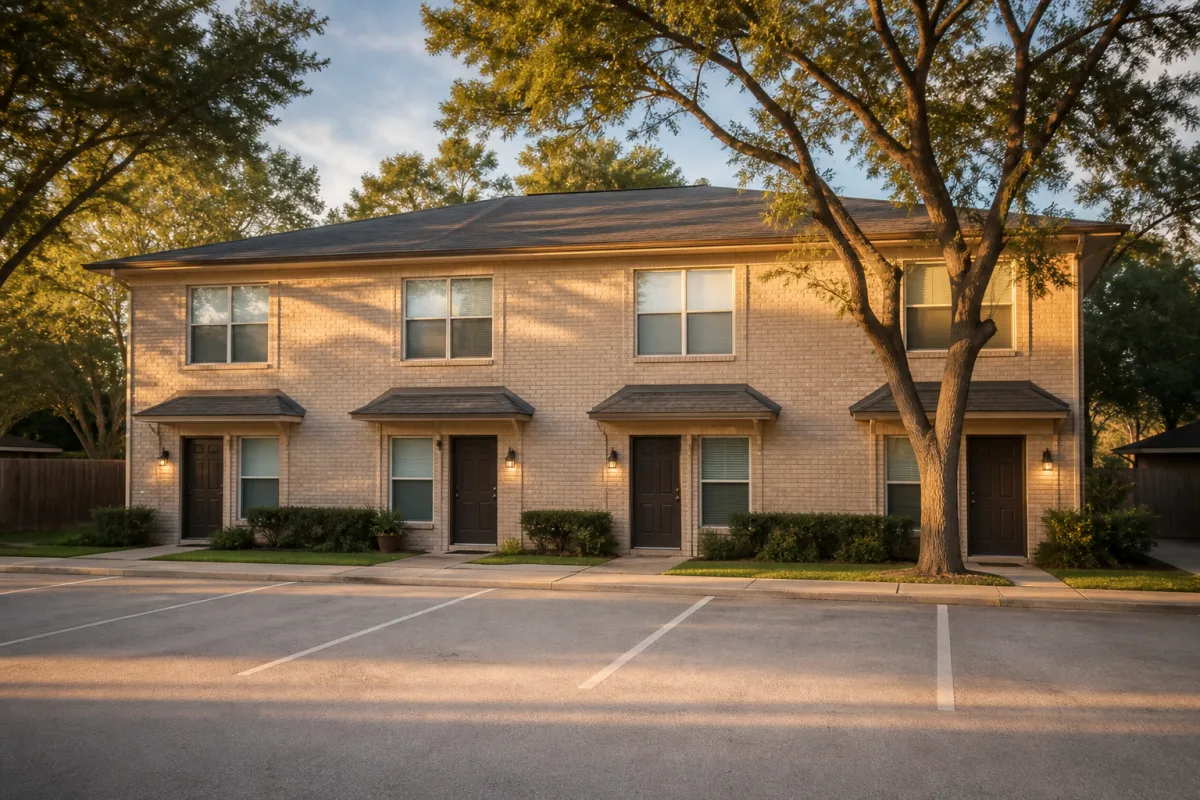
How investors approach financing a fourplex investment property—cash flow, DSCR themes, down payment ranges, and prep tips before you inquire.

What investors should know about a 5-8 unit multifamily loan—cash flow underwriting, experience overlays, and how it differs from 1–4 unit financing.

How a mixed use building loan works for investment property—rent rolls, residential vs retail mix, underwriting themes, and prep steps.
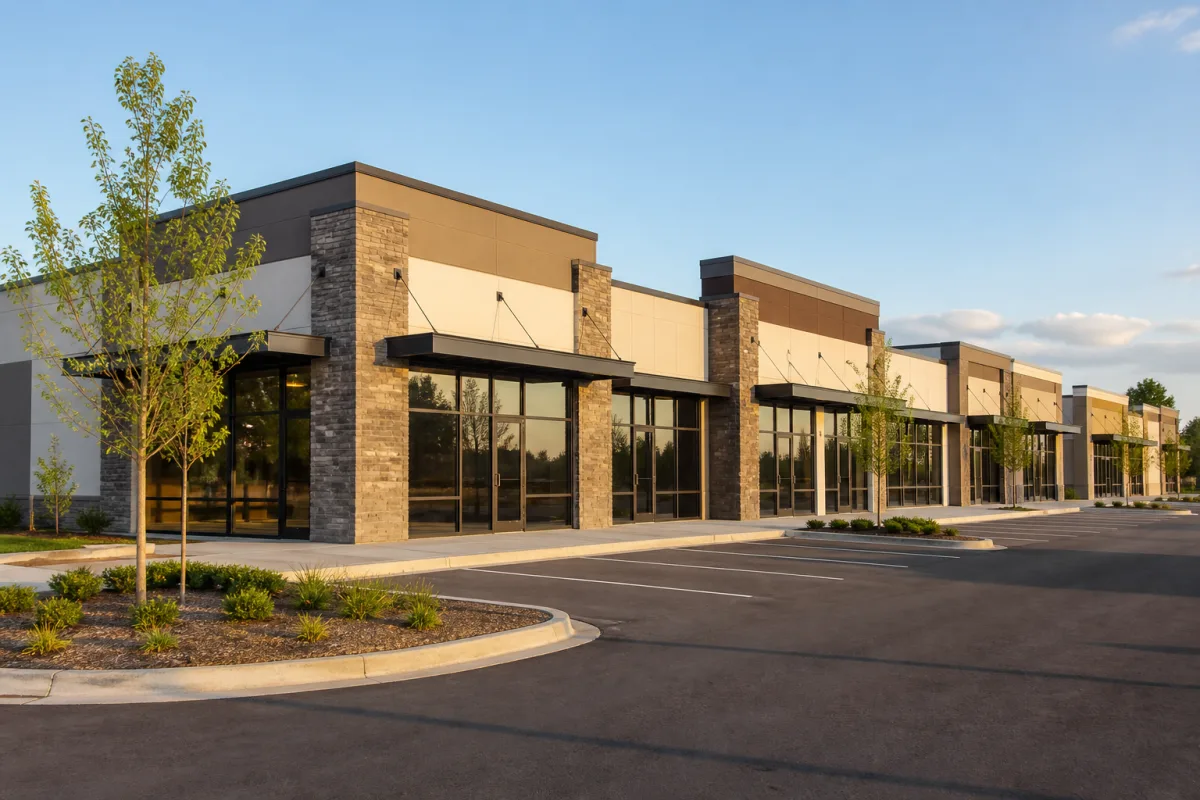
Educational guide to a retail investment property loan—tenant risk, lease structure, DSCR themes, and prep for business-purpose financing.
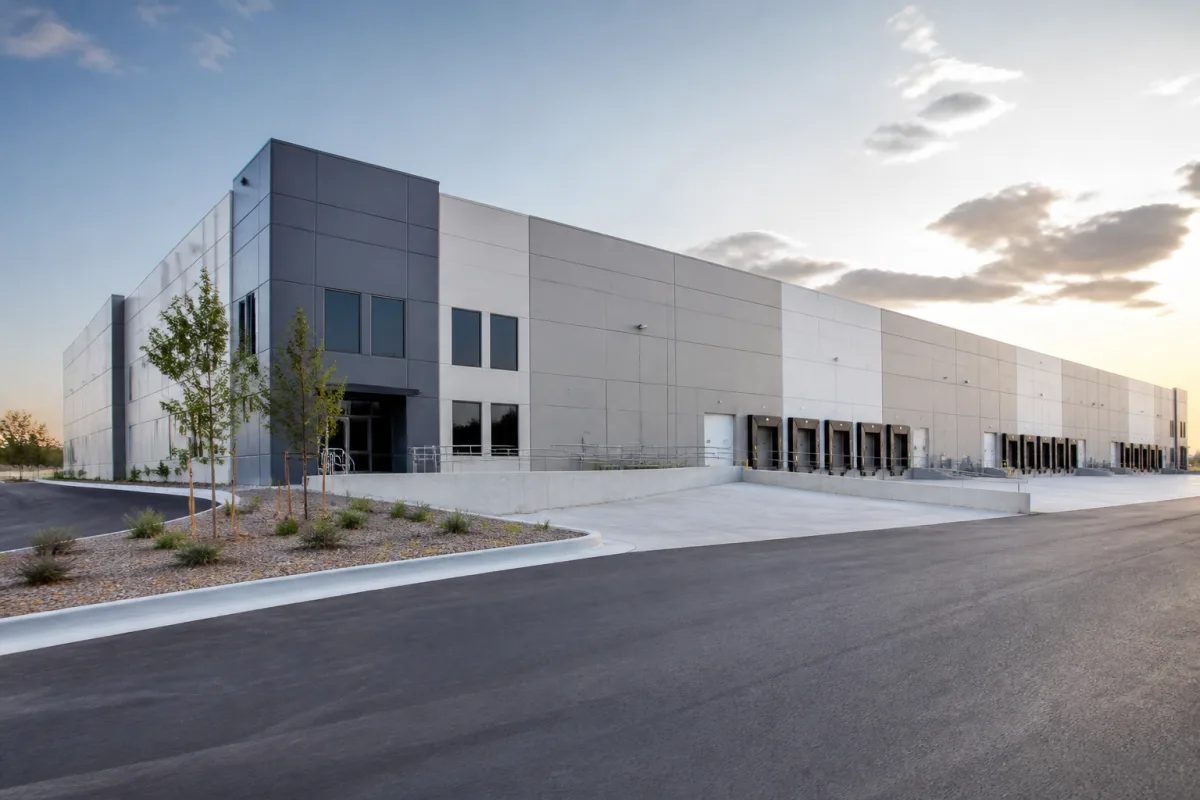
How warehouse investment property financing works—lease structure, industrial cash flow, DSCR themes, and documents to prepare before inquiry.
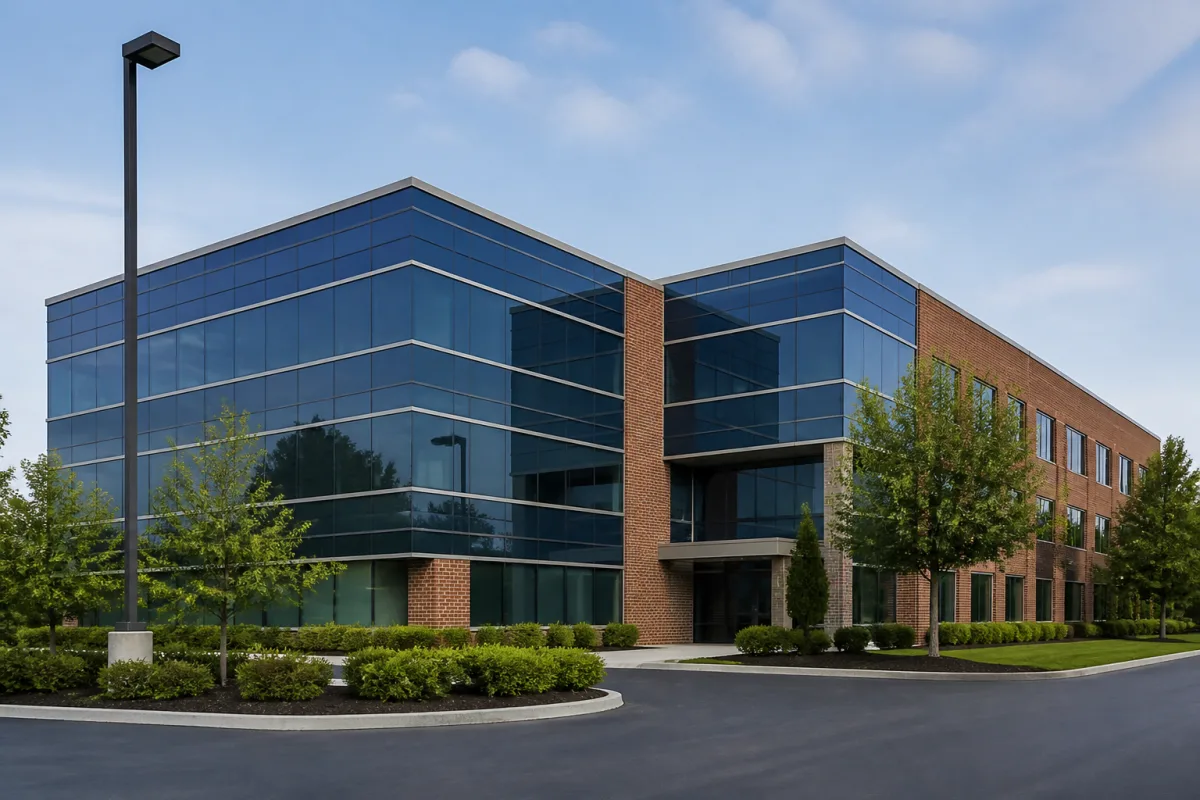
Key considerations for an office building investment loan after remote work—tenant demand, lease rolls, cash flow, and an investor prep checklist.

How short term rental property types financing works—cabins, condos, STR cash flow docs, seasonality, and business-purpose DSCR themes for investors.
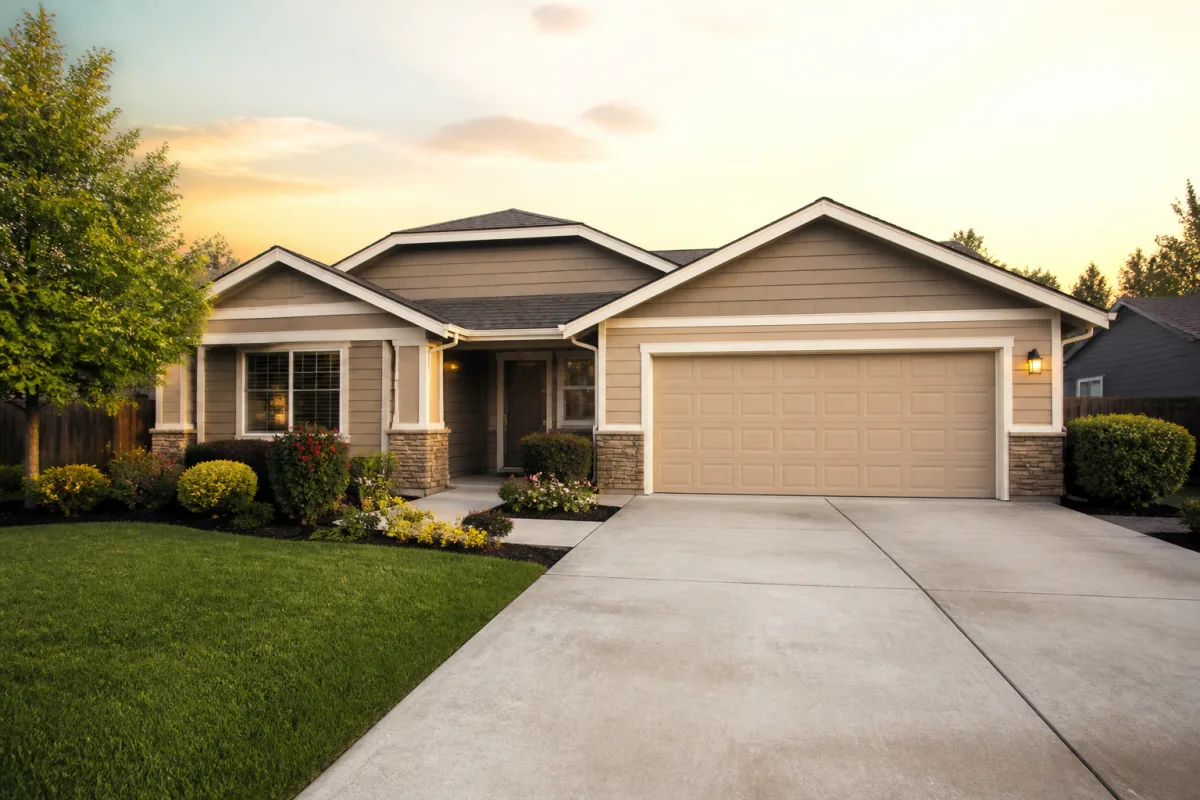
What a non owner occupied rental property loan means—occupancy rules, DSCR cash-flow qualification, and how it differs from primary residence mortgages.
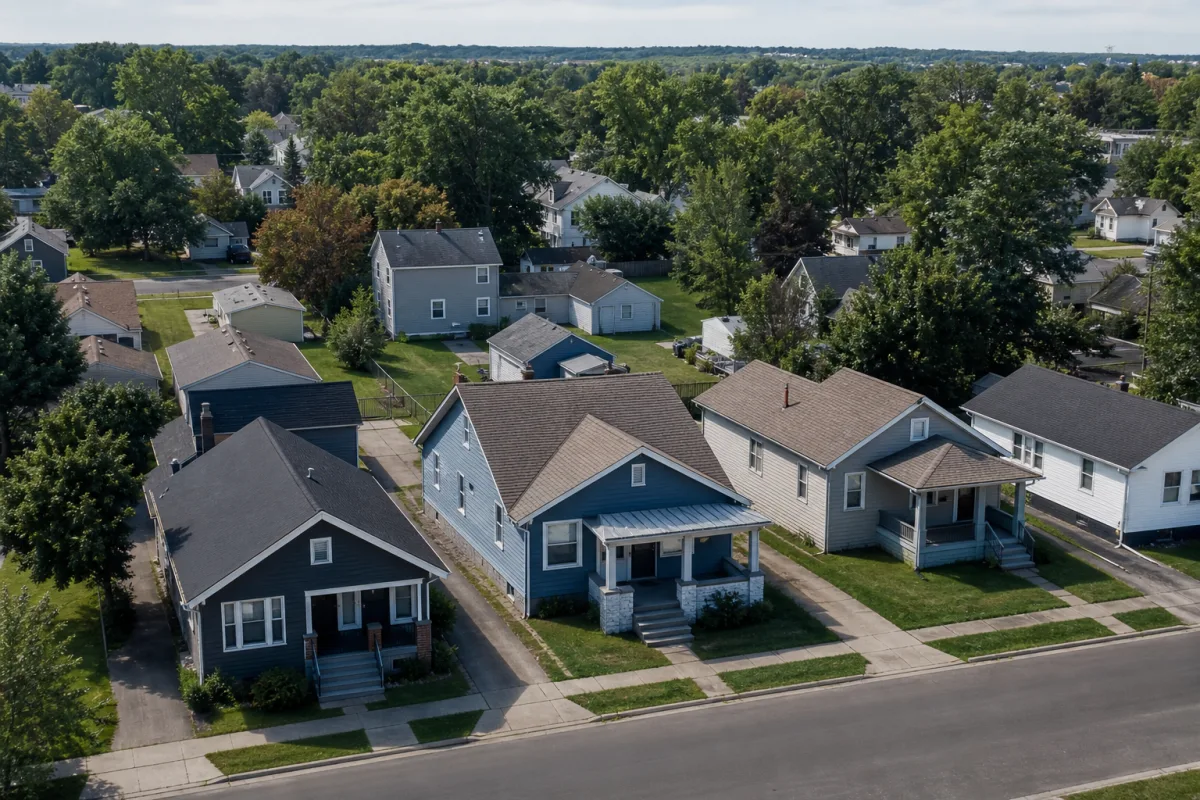
How to build a rental property portfolio with smarter sequencing—cash flow targets, financing paths, refinance timing, and reserves.

Signals for when to refinance investment property—rate, equity, DSCR, CapEx, and portfolio goals—plus questions before a refinance inquiry.
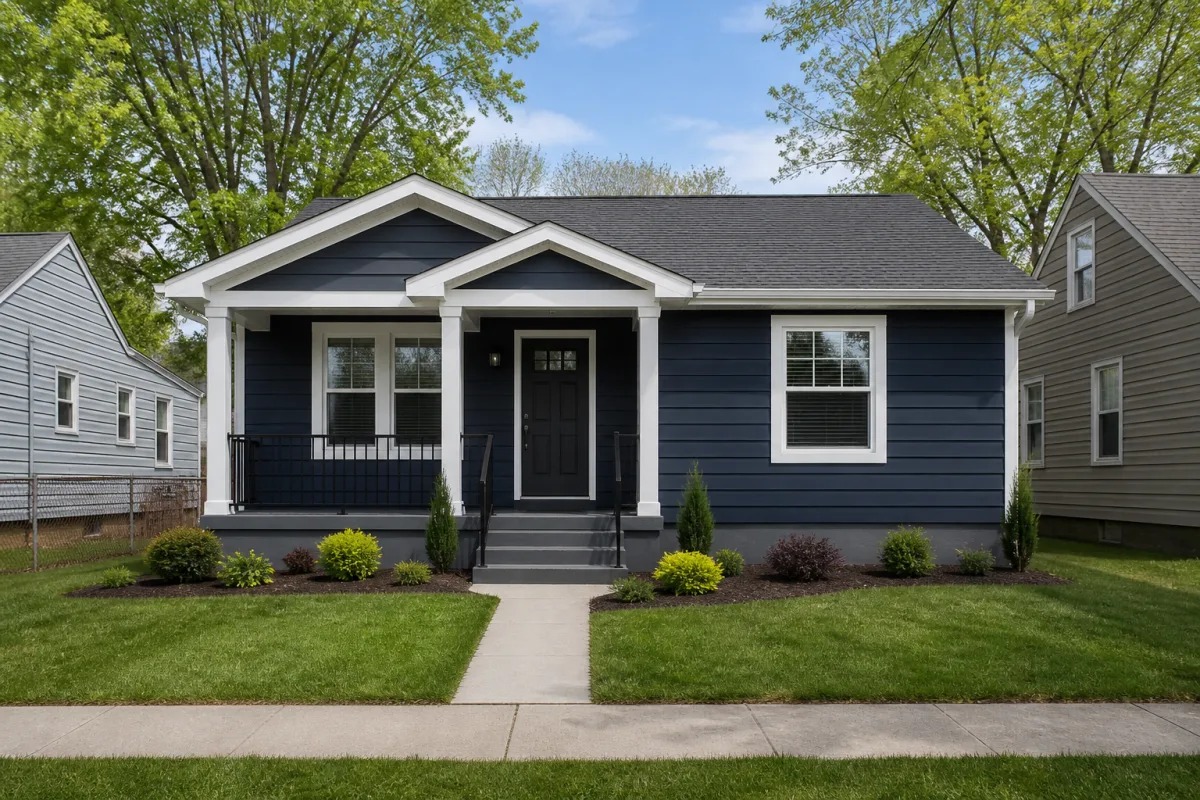
BRRRR method financing options focused on the refinance leg—DSCR framing, equity recycling, and what investors prepare (no construction pitches).

Cash flow vs appreciation investing for rental investors—how each strategy changes financing choices, DSCR focus, reserves, and refinance timing.
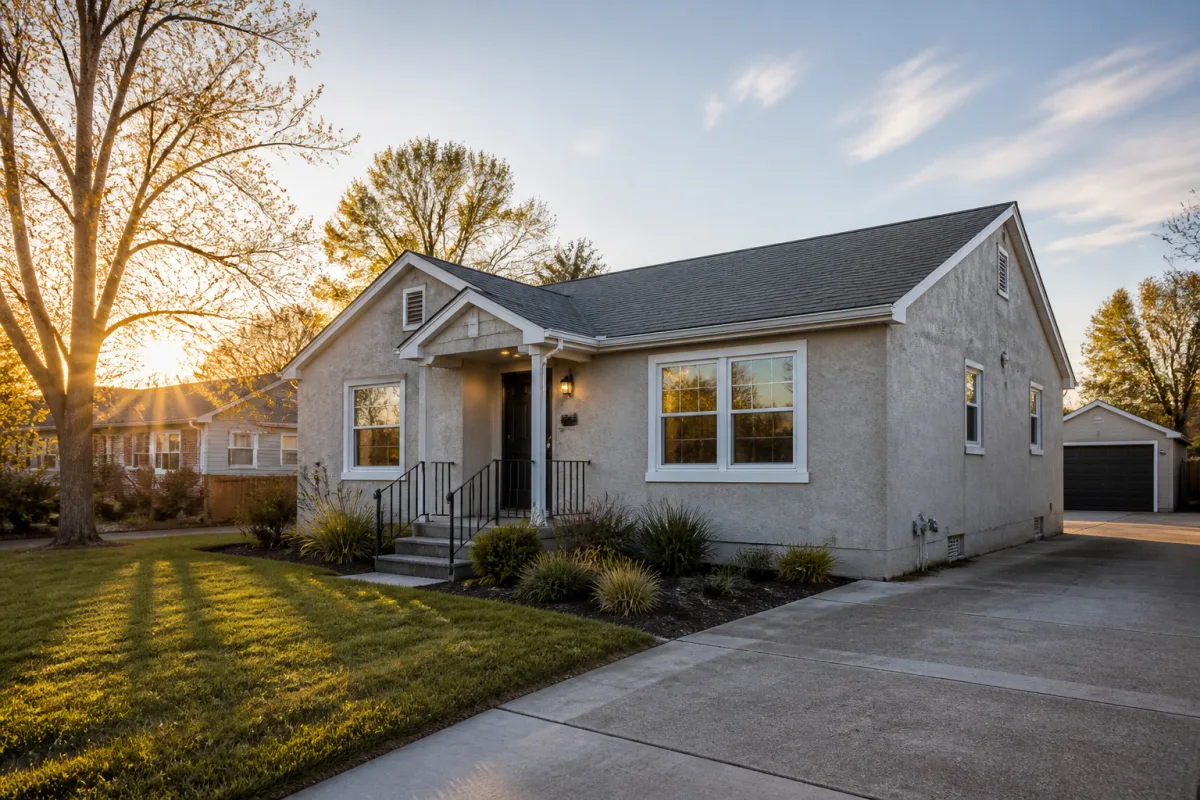
Educational paths for an investment property loan after bankruptcy—seasoning themes, DSCR focus, docs, and realistic expectations (no guarantees).

Why investors use LLC entity vesting for rentals—and how an LLC investment property loan conversation changes documents and guarantees.

How investors approach scaling from 1-4 units to multifamily—financing shifts, experience overlays, cash flow prep, and a transition checklist.
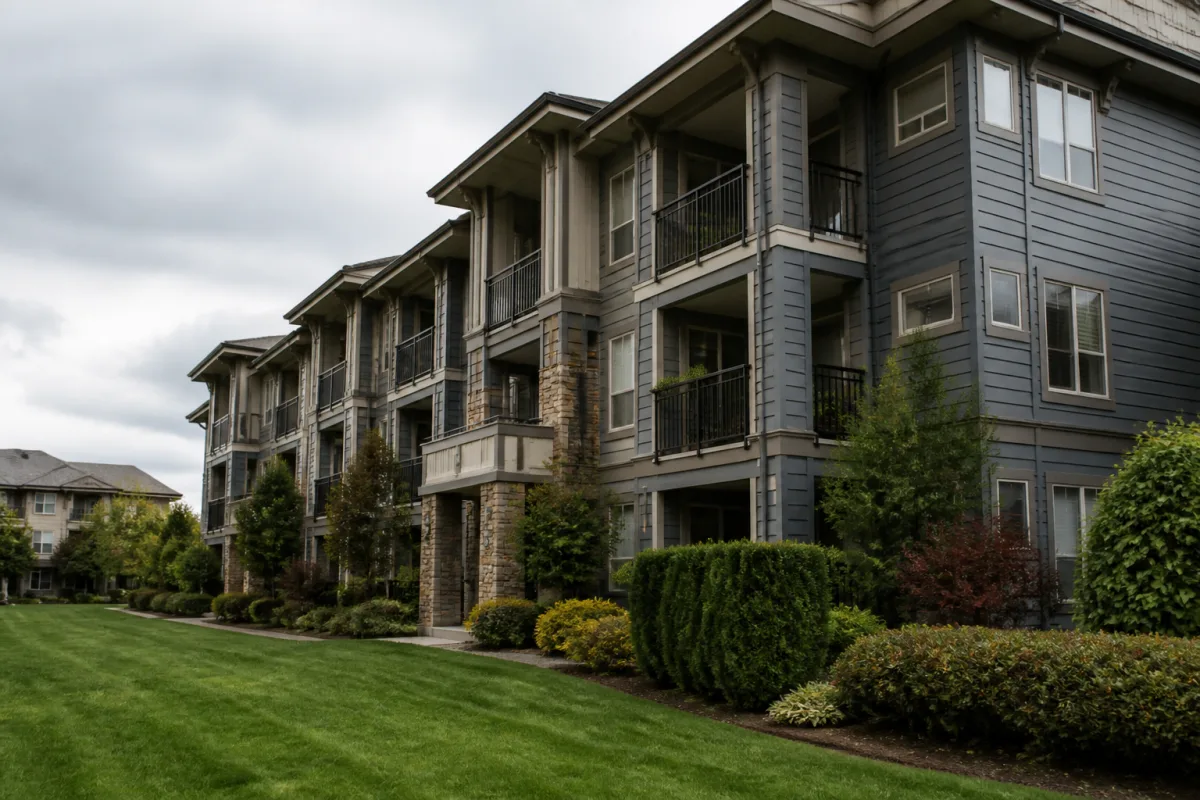
Why investment property reserves requirements matter—how months of PITIA are discussed, what counts as reserves, and how investors prepare.
Tell us about your investment or commercial property. We will review your inquiry and follow up promptly.