
investment strategy 1031 exchange
Reverse 1031 Exchange Explained for Investors
A reverse 1031 exchange explained: buy the replacement first so the 45- and 180-day clocks do not blow. See when reverse beats a delayed swap.
Practical strategy primers for investors weighing purchase, refinance, or cash-out options on investment and commercial real estate.
A reverse 1031 exchange explained: buy the replacement first so the 45- and 180-day clocks do not blow. See when reverse beats a delayed swap.

Should I pay cash or finance a rental property? Compare unlevered yield, cash-on-cash return, and opportunity cost before you wire the full price.

How many rental properties to retire? Back into unit count from target monthly income, then compare leveraged cash flow versus paid-off rent.

Short-term rental vs long-term rental investing: compare ops load, material participation, and REPS—not just nightly rates versus a 12-month lease.

A self-directed IRA for rental property can shelter gains—until UDFI, prohibited transactions, and no-sweat-equity rules make taxable leverage better.

How to structure a real estate partnership: JV vs syndication vs TIC, who signs the loan, who guarantees, and how a partner buyout gets funded.

The real estate market cycle runs recovery, expansion, hypersupply, and recession. Change leverage, reserves, and buy posture by phase—not headlines.

REIT vs rental property: compare leverage, liquidity, concentration, and control so you pick a vehicle—not a slogan about owning real estate.
Cap rate vs cash on cash return: unlevered asset yield versus levered cash yield—and why higher rates make the two numbers diverge on the same deal.

How much do property managers charge? Model Year-1 all-in cost—management percent, leasing, renewal, and vacancy—not the advertised 8–12% fee.
A cost segregation study for rental property can accelerate depreciation and lift after-tax cash flow—or create unused losses. Hold period decides.

Real estate professional status requirements are IRS time tests, not a license. See the 750-hour rule, majority-time test, and the spouse path.

S corp vs LLC for rental property is a tax-election question, not just vesting. See why an S election can trap basis, 1031 flexibility, and step-up.

How to transfer rental property to an LLC without triggering due-on-sale: deed vs refinance-into-entity, insurance, and what to check first.

When to sell a rental property versus hold, 1031, or cash-out: remaining depreciation, recapture, and whether the next door's cash-on-cash wins.
Depreciation recapture on rental property is not one tax. Model 1250 vs 1245, 1031, or hold-to-death before you list—not after the contract.

Should I pay off my rental property or keep the mortgage? Compare after-tax cost of debt versus deploying that cash into another income property.

What is a good cash on cash return depends on strategy, leverage, and rate. See benchmarks for LTR, value-add, and STR—and what moves the number.

The 1 percent rule in real estate investing is a fast screen most metros fail. Use it as a filter, then replace it with cash-flow and DSCR math.

Is now a good time to buy rental property? Score a business-purpose buy against rates, rent growth, vacancy, and inventory—not a perfect Fed cut.

How does earnest money interact with a financing contingency on an investment purchase? Learn what protects your deposit if financing falls through.

Cap rate values a property; DSCR qualifies a loan. Learn the difference between these two commonly confused investment property metrics.

Exiting a hard money bridge loan into long-term DSCR financing? Learn how seasoning requirements and timing traps affect the refinance.

Cash to close on an investment property is more than the down payment. Learn what prepaids, reserves, and closing costs add to your total funds needed.

Seller financing vs DSCR loan for investment purchases: flexibility, due-on-sale risk, and when a later DSCR refinance still matters.

Cross collateralization for real estate investors: blanket liens can raise proceeds—and one default can put the whole property pool at risk.

What an investment property loan pre-approval process verifies—credit, assets, entity, property type—before you offer. Not an application.

How investors use a 1031 exchange to roll sale proceeds into a DSCR-financed replacement property while deferring capital gains tax.

Why conventional loans cap financed properties around 10, and how DSCR and commercial financing let investors keep scaling past that limit.
Compare house hacking vs investment DSCR loans—occupancy rules, qualification differences, and when each path fits. Includes checklists and common.

Plan an investment property cash-out refinance strategy—equity uses, DSCR vs commercial framing, and timing risks. Includes checklists and common pitfalls.
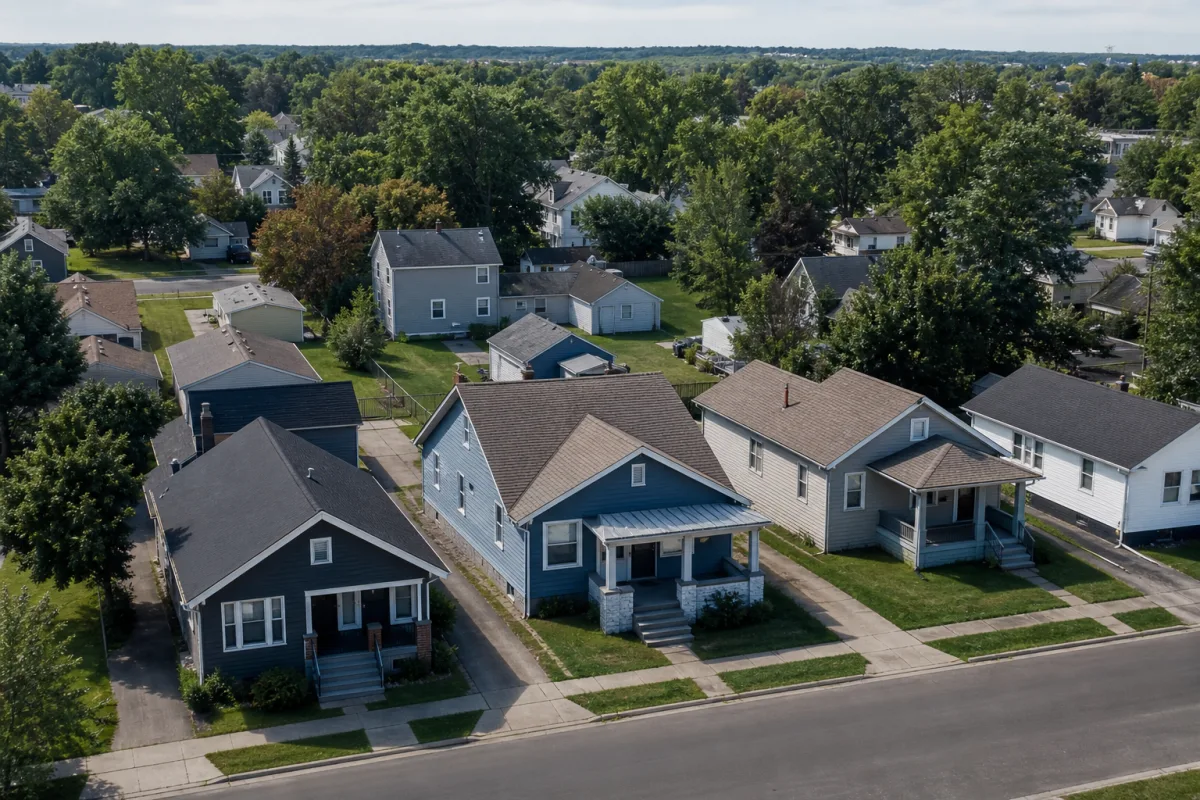
How to build a rental property portfolio with smarter sequencing—cash flow targets, financing paths, refinance timing, and reserves.

Signals for when to refinance investment property—rate, equity, DSCR, CapEx, and portfolio goals—plus questions before a refinance inquiry.
BRRRR method financing options focused on the refinance leg—DSCR framing, equity recycling, and what investors prepare (no construction pitches).

Cash flow vs appreciation investing for rental investors—how each strategy changes financing choices, DSCR focus, reserves, and refinance timing.
Educational paths for an investment property loan after bankruptcy—seasoning themes, DSCR focus, docs, and realistic expectations (no guarantees).

Why investors use LLC entity vesting for rentals—and how an LLC investment property loan conversation changes documents and guarantees.

How investors approach scaling from 1-4 units to multifamily—financing shifts, experience overlays, cash flow prep, and a transition checklist.
Why investment property reserves requirements matter—how months of PITIA are discussed, what counts as reserves, and how investors prepare.
Tell us about your investment or commercial property. We will review your inquiry and follow up promptly.