Financing a Gas Station: What Commercial Lenders Evaluate
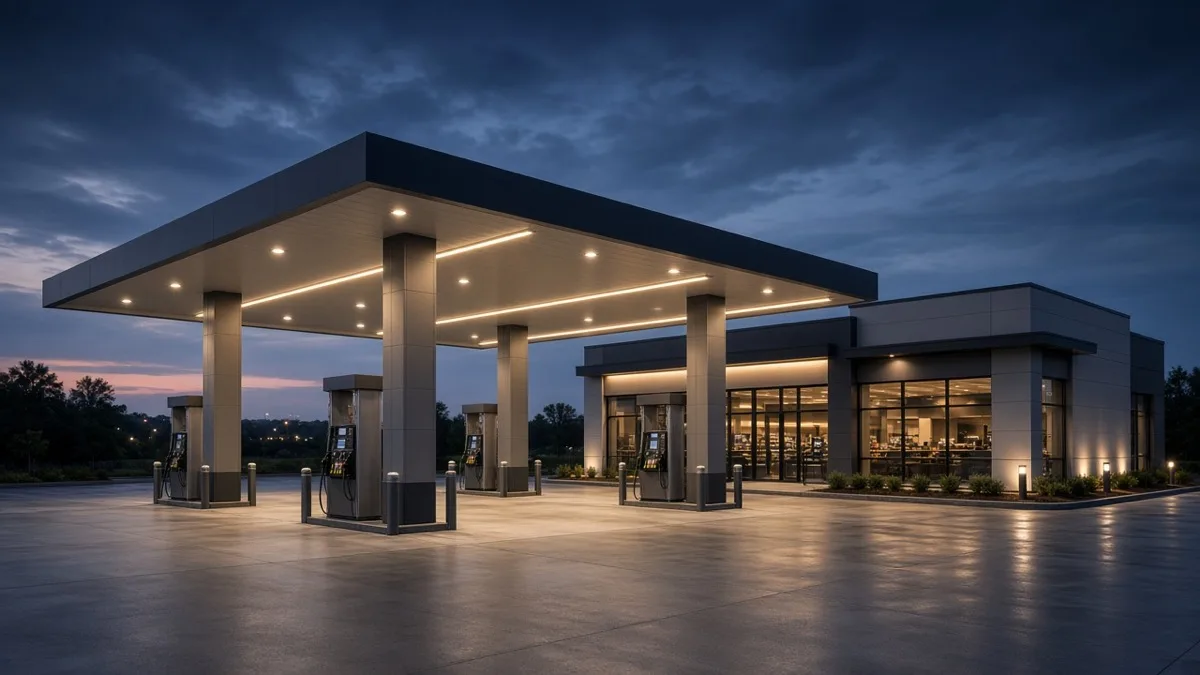
Gas stations and fuel-adjacent convenience stores sit in a specialized commercial lending category, driven primarily by one factor that doesn’t come up with most other property types: underground storage tanks and the environmental liability they carry. Understanding what lenders focus on for this asset class helps set realistic expectations before you get deep into a purchase or refinance process.
Environmental Risk Is the Central Underwriting Issue
Underground storage tanks (USTs) used for fuel storage carry a real risk of soil or groundwater contamination if a tank leaks or has leaked historically, and this environmental liability can attach to the property itself, not just the current business operator. Because of this, lenders financing gas stations almost universally require a Phase I environmental site assessment, and depending on what that assessment finds, potentially a more invasive Phase II assessment involving soil or groundwater testing.
What a Phase I Assessment Looks For
A Phase I assessment reviews historical property use, regulatory records, and a site visit to identify potential or existing environmental concerns, including UST records, any documented past leaks or remediation activity, and neighboring property uses that could pose a contamination risk. A clean Phase I report is often sufficient to proceed with standard underwriting; a report flagging recognized environmental conditions typically triggers further investigation before a lender will finalize financing terms.
Tank Age, Type, and Compliance Documentation
Beyond the environmental assessment, lenders typically want documentation on the underground storage tanks themselves: age, construction (single-wall vs. double-wall, with double-wall generally considered lower risk), most recent required testing or inspection records, and confirmation of compliance with state and federal UST regulations. Older single-wall tanks, or tanks with incomplete compliance documentation, can significantly complicate financing, sometimes requiring tank replacement or additional environmental insurance as a condition of the loan.
Environmental Insurance as a Risk Mitigant
Given the liability exposure, environmental insurance policies specifically covering pollution and remediation costs are common in gas station financing, sometimes required by the lender as a closing condition rather than left optional. These policies add a real, ongoing cost to operating the property, and should be factored into your overall return projections rather than treated as an afterthought discovered late in the underwriting process.
Business Value vs. Real Estate Value
Many gas station transactions involve both real estate and an operating convenience store or fuel business, and separating real estate value from business (goodwill, inventory, equipment) value matters for structuring the financing correctly. Some lenders finance only the real estate component, with business assets and inventory financed separately or included in the purchase price as a distinct negotiation point — clarifying this structure early avoids confusion about what your loan amount actually covers.
Frequently Asked Questions
Can I get commercial financing for a gas station with older underground tanks?
It’s possible, but expect additional scrutiny and potentially conditions like tank testing, environmental insurance, or in some cases required tank replacement, depending on age, tank type, and compliance history.
How long does a Phase I environmental assessment take?
Timelines vary by provider and property complexity, but it’s a step that should be built into your closing timeline expectations early, since results can affect subsequent underwriting steps.
What happens if a Phase I assessment identifies a potential issue?
This typically triggers a more detailed Phase II assessment involving actual soil or groundwater testing, which can add both time and cost to the transaction before financing can be finalized.
Is environmental insurance required on every gas station loan?
Not universally, but it’s common, and specific requirements vary by lender, tank condition, and site history — confirm this early in your financing conversation.
Does financing cover the fuel inventory and convenience store business, or just the real estate?
This depends on the specific loan structure — some financing covers real estate only, with business assets and inventory addressed separately, so clarify this distinction before assuming your loan amount covers the full purchase price.
Have a commercial or mixed-use investment property in mind? Start with a confidential inquiry or call (907) 841-1600.
Have a property in mind?
Submit a confidential inquiry — business-purpose and investment property only.
Start InquiryDisclaimer: This article is for informational purposes only and does not constitute financial, lending, legal, or tax advice. Commercial & DSCR Loans is a marketing and referral information service — not a lender, broker, or financial institution. Content relates to business-purpose and investment property financing only. Disclaimer · Terms · Privacy