Financing a Manufactured Home Community Investment
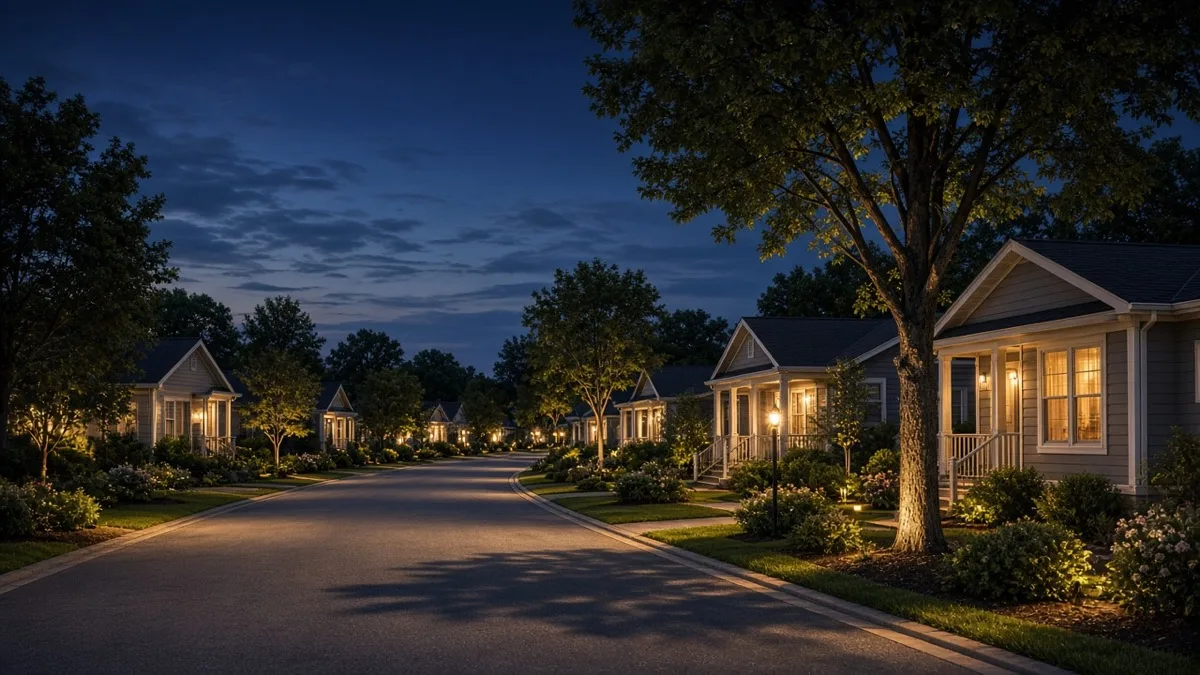
Manufactured home communities — sometimes called mobile home parks — occupy a distinct niche in commercial real estate financing. The underlying business model differs meaningfully from standard multifamily: in many communities, the operator owns the land and infrastructure while individual residents own their own homes, which changes both the income picture and what a lender actually evaluates during underwriting.
Land-Lease vs. Community-Owned Home Models
The most common manufactured housing community structure is a land-lease model, where the community owner leases individual lots to residents who own their manufactured homes outright, generating income from lot rent rather than from renting out the housing units themselves. Some communities also own and rent out homes directly, similar to standard multifamily, or operate a mix of both. Understanding which model — or mix — applies to a specific property is one of the first things a lender will want to clarify, since it affects both income stability and operational complexity.
What Underwriters Focus On
- Lot occupancy rate and vacancy trend. Stable, high lot occupancy over multiple years is a strong positive signal, while a declining occupancy trend raises questions about the community’s competitive position or condition.
- Infrastructure age and condition. Water, sewer, and utility infrastructure in older communities can represent significant deferred capital expenditure risk, and lenders often want documentation of infrastructure condition, sometimes through a specialized inspection, before finalizing terms.
- Resident-owned vs. community-owned home mix. A higher percentage of resident-owned homes generally means lower capital expenditure exposure for the operator (since the operator isn’t responsible for maintaining those units), which can be viewed favorably.
- Local zoning and land-use protections. Some jurisdictions have specific zoning protections or restrictions around manufactured housing communities, and confirming the property’s zoning status and any applicable land-use rules matters for long-term investment stability.
Financing Structures for This Property Type
Manufactured housing communities are financed through several channels depending on size and structure, including agency multifamily-adjacent programs, portfolio commercial lenders familiar with the asset class, and, in some cases, bridge or value-add-focused capital for communities needing infrastructure upgrades or occupancy stabilization. Because this is a specialized niche, not every commercial lender actively finances this property type, and working with a capital source or broker experienced specifically in manufactured housing communities can meaningfully affect available terms.
Common Value-Add Considerations
Investors targeting manufactured housing communities as a value-add strategy often focus on lot occupancy improvement, infrastructure upgrades to reduce maintenance costs, and, in some cases, converting community-owned rental homes to a resident-ownership model to reduce ongoing capital expenditure exposure. Each of these strategies has a different risk and execution profile, and lenders evaluating a value-add business plan will want to see a realistic, well-documented plan rather than optimistic assumptions about occupancy or rent growth.
Frequently Asked Questions
Is financing a manufactured housing community different from standard multifamily financing?
Yes, in several respects — the underlying income model (lot rent vs. unit rent), infrastructure ownership responsibility, and available capital sources all differ from a standard apartment building, even though both are considered multifamily-adjacent asset classes.
Do I need specialized experience to get financing for this property type?
Not always required, but demonstrated experience, either directly or through a qualified property management team, can strengthen an application, particularly for larger communities or those needing operational turnaround.
What’s the biggest underwriting risk factor for older manufactured housing communities?
Aging infrastructure (water, sewer, electrical) is often the primary concern, since deferred maintenance in this area can require significant unplanned capital expenditure.
Can I finance a community with a mix of resident-owned and community-owned homes?
Generally yes — lenders evaluate the specific income mix and operational structure of each property, and a mixed-ownership model is common in this asset class rather than unusual.
Are there restrictions on financing manufactured housing communities in certain states?
Financing availability and terms can vary by state and local regulatory environment — discuss specifics for your target market and property with a lender experienced in this asset class.
Have a commercial or mixed-use investment property in mind? Start with a confidential inquiry or call (907) 841-1600.
Have a property in mind?
Submit a confidential inquiry — business-purpose and investment property only.
Start InquiryDisclaimer: This article is for informational purposes only and does not constitute financial, lending, legal, or tax advice. Commercial & DSCR Loans is a marketing and referral information service — not a lender, broker, or financial institution. Content relates to business-purpose and investment property financing only. Disclaimer · Terms · Privacy