Small Multifamily Commercial Loan Basics
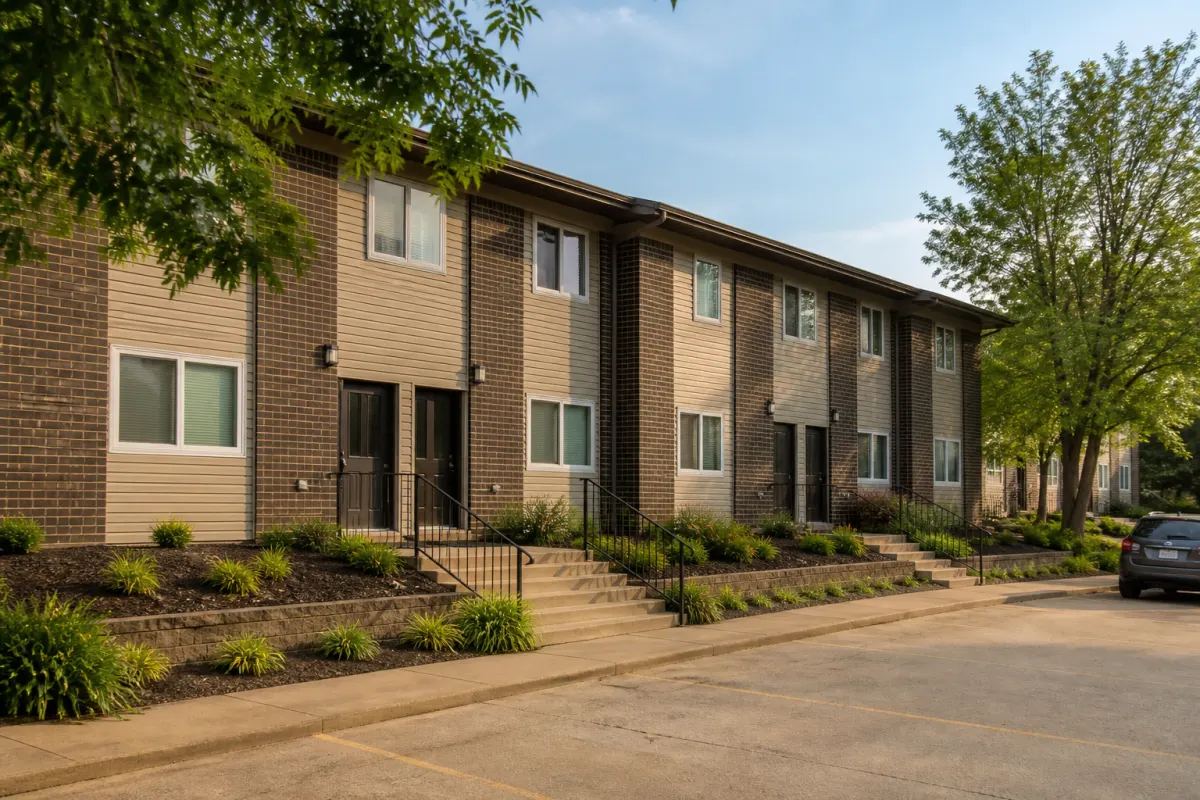
A small multifamily commercial loan typically refers to business-purpose financing for modest apartment buildings — often in the 4–10 unit range — where investors want cash-flow underwriting without jumping into large institutional 30+ unit deals.
This is investment property financing, not an owner-occupied home loan. For the product-line contrast, see Commercial vs Residential Investment Loans.
Why 4–10 units sits in a special lane
- 1–4 units often use residential investment or DSCR-style rental products
- 5+ units frequently shift toward commercial multifamily standards
- 4–10 units can feel “small” operationally but still trigger commercial documentation themes
HUD and industry materials commonly discuss multifamily as residential income property at larger scales; public overviews live under HUD Multifamily Housing. Your 6-plex is not an agency securitization deal — but the cash-flow mindset is related.
What underwriting usually emphasizes
| Factor | Why it matters |
|---|---|
| Rent roll quality | Shows actual vs pro forma income |
| Expense history | Insurance, taxes, repairs can swing NOI |
| Unit mix & comps | Supports valuation and rent reasonableness |
| Experience | Experienced-investor overlays are common at 5–8+ units |
| Reserves | Vacancy and maintenance buffers after close |
An educational coverage check:
DSCR = Effective income ÷ annual debt service
Minimums and income definitions vary. Treat published “rules of thumb” as educational only.
Experience overlays — read this carefully
As unit count rises, many capital sources expect a track record with investment rentals or multifamily operations. 5–8 unit scenarios in particular often carry experienced-investor overlays. This is not positioned here as a sure path for first-time investors.
If you are still in duplex/triplex territory, start with:
Stabilized small multifamily vs heavy value-add
Stabilized (high occupancy, market rents, manageable CapEx) is usually easier to discuss under cash-flow structures.
Heavy value-add (major renovations, large vacancy) may need different capital and timelines. This site does not pitch construction or SPEC development financing.
Prep checklist for 4–10 unit inquiries
- Unit-by-unit rent roll with lease end dates
- Trailing income and expense summary
- List of recent turnovers and concessions
- Insurance quotes for multifamily landlord coverage
- Brief management plan and experience narrative
- CapEx priority list (roof, boilers, life safety)
Have a commercial or mixed-use investment property in mind? Start with a confidential inquiry or call (907) 841-1600.
Operating systems that support financing conversations
Even at 6–10 units, clean books matter. Separate property operating accounts, track deposits by unit, and keep a simple maintenance log. When a reviewer asks for trailing income, you want a coherent trail — not a shoebox of Venmo screenshots.
Professional property management is optional for many small assets, but process is not. Show how you handle leasing, delinquencies, and make-readies. That narrative often matters as much as a glossy rent roll.
Market and insurance diligence
Small multifamily performance is sensitive to local rent growth, insurance availability, and tax reassessments after purchase. Stress your model for a meaningful insurance increase before you lock an acquisition price. Coverage that looked fine on the seller’s trailing P&L can break DSCR after renewal.
Investor questions to ask before you bid
Before you write an offer on a 4–10 unit building, clarify: Are any units delivery vacant? Are there rent-controlled or locally restricted units? Is there deferred life-safety work? Can you get trailing deposits that match the rent roll? Answers change both price and financing posture. A slightly lower leverage request with cleaner income often beats a maxed bid that depends on fragile assumptions.
Frequently Asked Questions
Is a 4-unit building considered commercial?
It depends on the capital source and product. Four units often still sit in residential investment / DSCR lanes, while five-plus more often uses commercial multifamily framing. Confirm classification for your specific asset.
How is a small multifamily loan different from a DSCR 1–4 product?
Dedicated DSCR rental products commonly target 1–4 unit investment properties with property-income qualification. Small multifamily commercial financing may use similar DSCR math but different docs, appraisals, and experience expectations.
What down payment should I plan for?
Educational conversations often assume meaningful equity — sometimes in the ballpark of 20–35% depending on asset and overlays — but there is no universal number you should treat as guaranteed.
Can I self-manage a 8-unit building and still finance it?
Often yes, if operations are coherent and income is documented. Some reviewers still prefer evidence of professional processes (maintenance, leasing, accounting) even when you self-manage.
Does an inquiry lock in rates or approval?
No. An inquiry is informational only. Pricing and credit decisions happen later, if at all, through a capital provider.
Have a property in mind?
Submit a confidential inquiry — business-purpose and investment property only.
Start InquiryDisclaimer: This article is for informational purposes only and does not constitute financial, lending, legal, or tax advice. Commercial & DSCR Loans is a marketing and referral information service — not a lender, broker, or financial institution. Content relates to business-purpose and investment property financing only. Disclaimer · Terms · Privacy