Are DSCR Loans Assumable on a Rental?
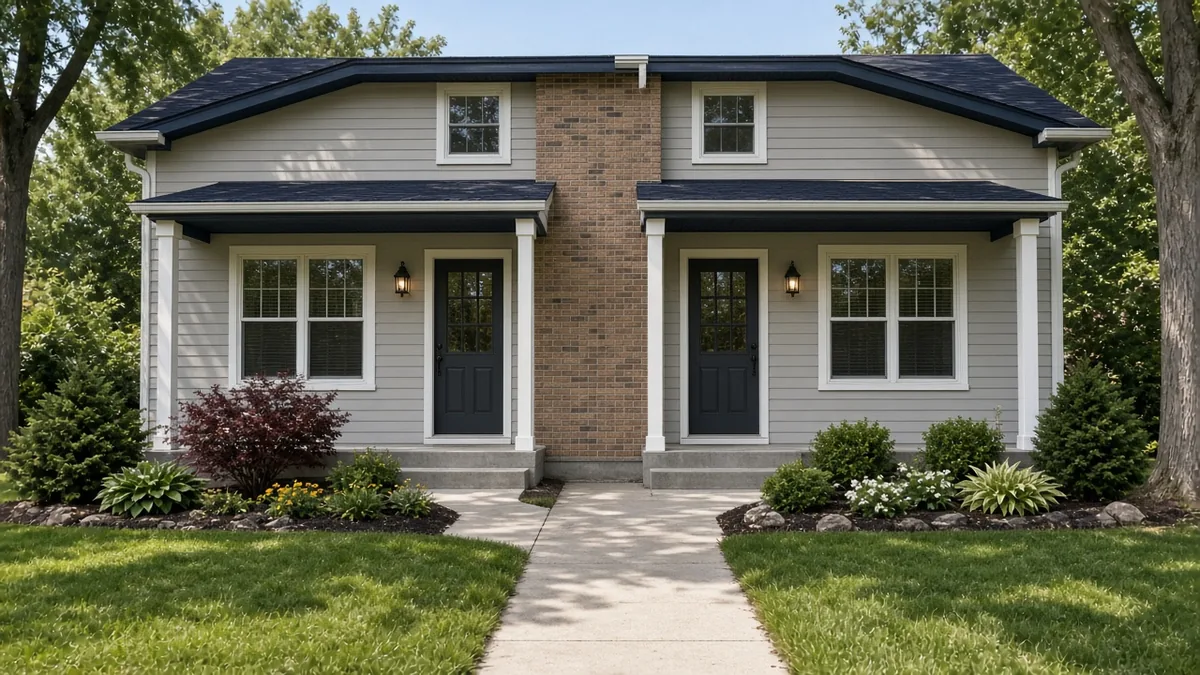
Are DSCR loans assumable when a buyer wants the existing note on a one-to-four-unit rental? Only when the note allows the transfer and the holder of the loan agrees to it. The product does not hand the rate to the next owner. A due-on-sale clause is the usual starting point, and an assumption is a permission written on top of that clause.
A DSCR loan here means a business-purpose loan on an investment rental, qualified mainly from the property’s rent and the payment. The buyer who wants the note is an investor taking the rental, or an entity that will hold it as a rental. A commercial loan on a larger income property has its own assumption process, covered on the page for assuming a commercial real estate loan. This page stays with the one-to-four-unit note.
Illustrations below are arithmetic. They are not a rate quote and not an offer of credit. An inquiry is not an approval.
When are DSCR loans assumable
Read the note and the security instrument before you treat the rate as portable. Many investment notes say the full balance can be called if the property is sold, if title is transferred, or if a controlling interest in the borrowing entity changes hands. That sentence is the due-on-sale clause. An assumption is the holder’s written choice to let a new borrower step into the debt instead of calling it.
Three papers have to line up.
- The note either permits an assumption with consent, or the holder is willing to modify the clause for this buyer.
- The buyer applies and is reviewed. Credit, liquidity, the entity that will hold title, and the coverage ratio on the current rent are typical pieces. Wage documents are often lighter than on a consumer file, because the ratio is still about the rent and the payment.
- An assumption agreement names the new borrower, says what happens to the old guarantor, and states the fee, the rate, and the remaining term.
If any of those three is missing, the buyer is looking at a new loan, not a takeover of this one.
A deed “subject to” the existing loan is a different sentence. A buyer who takes title and keeps paying, without the holder’s consent, has not assumed the note. The original borrower is still the person on the debt. The due-on-sale clause can still be used. Servicers notice a change in insurance, a new name on the tax bill, and a new account for payments. Treat a silent transfer as a risk, not as a closed assumption.
What the buyer is actually taking
The remaining principal, the remaining term, and the rate in the note are the economics people want. Whether those economics survive is a term of the assumption, not a rule that freezes every DSCR note.
Some assumptions keep the note rate and the remaining amortization. Some reset the rate and keep the maturity. Some keep the rate and still charge a fee that changes the buyer’s cash to close. The assumption agreement is where that choice is written. Ask for it before you tie a purchase price to the old payment.
Walk a simple balance. The note has $240,000 remaining. The payment of principal, interest, taxes, and insurance is $1,900 a month. The lease in place is $2,400.
DSCR = $2,400 ÷ $1,900 = 1.26
That ratio uses this payment. If the assumption resets the rate and the payment becomes $2,150, the same lease produces $2,400 ÷ $2,150 = 1.12. Same house, same balance, two ratios. Programs set their own floors. A floor on one program is not a rule for every program. The buyer’s review uses the payment the assumption will actually create. Liquidity after closing, and a personal guaranty from the people behind a limited liability company, are still part of that review.
The seller’s release, the fee, and the penalty
Sellers ask for a release. The assumption agreement either releases the original borrower and guarantors or it does not. A verbal promise from the buyer to take over payments does not release the seller. Until a release is signed, the original guarantor can still be asked to pay if the buyer stops.
The fee sits inside whatever the note allows. Some notes name an assumption fee. Some leave the fee to the holder. Budget for the fee, for title work, for the buyer’s review of the documents, and for an escrow of taxes and insurance. The closing statement is the list that counts.
A prepayment penalty can still sit on the note. An assumption is not always a prepayment. A payoff is. If the holder demands a payoff because it will not consent, the penalty can come due. If the holder consents, the penalty may stay, may be waived, or may be reduced. The note’s prepayment section and the assumption agreement have to be read together. The page on DSCR loan prepayment penalties walks the common penalty shapes. Use it to know which clause you are reading, then ask how that clause treats a consented assumption.
A transfer of membership interests can trigger the same clause as a deed. Investors sometimes move a rental into a new company after closing, or sell the company instead of the house. If the note treats a change of control as a transfer, the holder can call the loan even though the deed stayed in the old name. Ask before the operating agreement changes hands.
Basis when the buyer takes the debt
The tax result is separate from the holder’s consent. IRS Publication 551 says that if you buy property and assume, or buy subject to, an existing mortgage, your basis includes the amount you pay for the property plus the amount to be paid on the mortgage. The publication’s example is a building bought for $20,000 cash with an $80,000 mortgage assumed. Basis in that example is $100,000.
That example is about basis. It does not say the holder must allow the assumption. Publication 551 also states that fees and costs for getting a loan are not added to basis, while a fee for buying the property can be. An assumption fee paid to the holder is usually a cost of the financing. A tax adviser sorts the fee. The loan file will not make that call, and this page does not compute the seller’s gain on being relieved of the debt.
When a new loan is the cleaner path
Start with the servicer named on the mortgage statement. Ask whether assumptions are considered, what the buyer must submit, and whether the rate stays. Get that answer in writing.
A new DSCR loan is the path when the holder will not consent, when the buyer wants a different balance, or when the price only works with a new loan amount. The old rate ends if the old loan is paid off. Compare the old payment, the assumption fee, and any penalty on a forced payoff against the payment on a new note. Use the same rent in both ratios so the comparison is about the debt, not about a hopeful lease.
The buyer should place a landlord policy in the name that will be on the loan. A policy written as if the buyer lives in the house does not match a rental assumption. An investor who will rent the property out is the file this product is built for. A buyer who will move in is applying for housing, and that purpose takes the file off a business-purpose DSCR note.
| Question | Where the answer lives |
|---|---|
| Can the holder call the loan on sale? | Due-on-sale clause in the note or security instrument |
| Does the buyer become the borrower? | Signed assumption agreement |
| Does the old rate stay? | Assumption agreement, not the listing |
| Is the seller released? | Release language in that same agreement |
| What is your cost basis? | Cash paid plus the mortgage you assume, per IRS Publication 551 |
Exploring DSCR financing for an investment rental? Submit a confidential inquiry or call (907) 841-1600.
Frequently Asked Questions
Are DSCR loans assumable at the same interest rate?
Sometimes the assumption keeps the note rate, and sometimes the holder resets it. The assumption agreement states which one this file uses. A due-on-sale clause gives the holder room to require a payoff instead. Treat the old payment as available only after the holder confirms the rate, the term, and the fee in writing.
Does selling the limited liability company avoid a due-on-sale clause?
A change of control is often listed beside a transfer of the deed. Selling the membership interests can be the event the clause describes, even when the county record still shows the same owner. Read the transfer section before the operating agreement is assigned. Consent, when it is available, belongs in an assumption or a written waiver from the holder.
Is a subject-to purchase the same thing as an assumption?
A subject-to deed puts title in the buyer’s name while the original borrower stays on the note. An assumption, when the holder signs it, makes the buyer the borrower. Without that signature, the original guarantor usually remains exposed and the due-on-sale clause remains available. Paying the statement on time does not convert one into the other.
Will the seller be released from the personal guaranty?
Only a written release does that. The assumption agreement should say whether the original borrower and each guarantor are released, and as of what date. A buyer’s promise to make the payments leaves the seller on the debt. Ask for the release language before the deed is signed.
Does an assumption cancel a prepayment penalty?
An assumption is not automatically a prepayment. A payoff can trigger the penalty the note describes. A consented assumption may keep the penalty, waive it, or reduce it, and that choice is in the note and the assumption agreement. Read both before you compare an assumption with a new loan.
Have a property in mind?
Submit a confidential inquiry — business-purpose and investment property only.
Start InquiryDisclaimer: This article is for informational purposes only and does not constitute financial, lending, legal, or tax advice. Commercial & DSCR Loans is a marketing and referral information service — not a lender, broker, or financial institution. Content relates to business-purpose and investment property financing only. Disclaimer · Terms · Privacy