DSCR Loan Form 1007 Rent Schedule
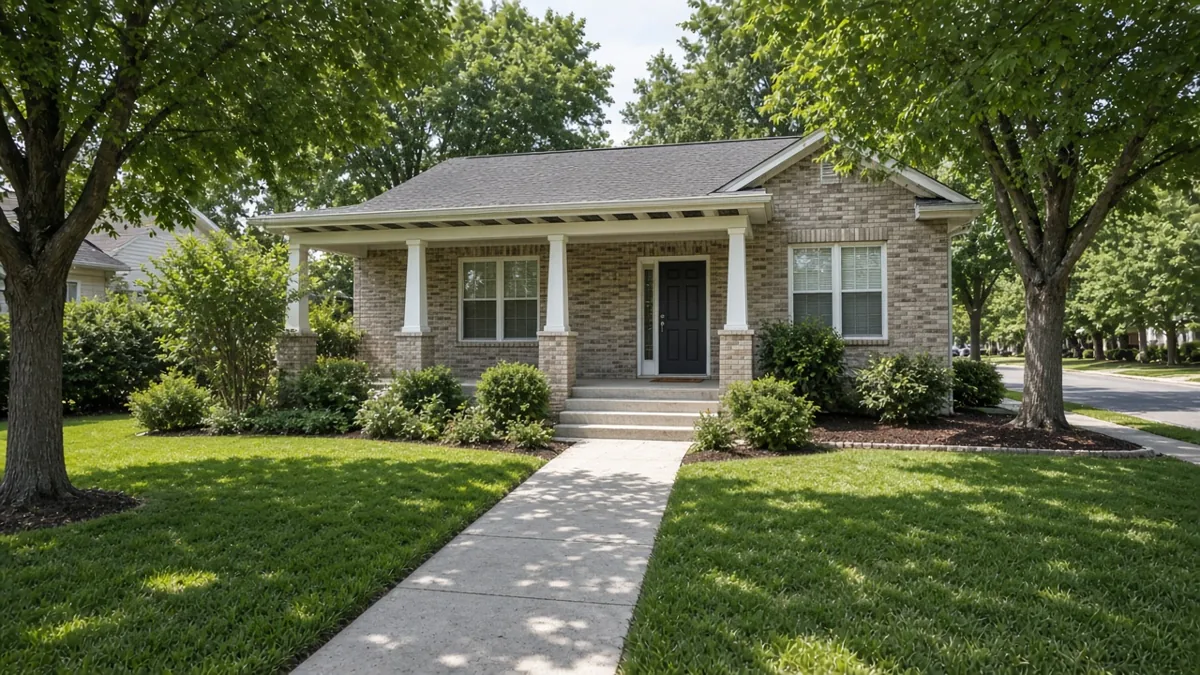
A DSCR loan Form 1007 rent schedule is the appraiser’s comparable-rent exhibit for a one-unit investment rental. It states an opinion of market rent. The lease states the rent a tenant agreed to pay. Those two figures often differ, and the figure that enters the coverage ratio is the one that can change the loan amount.
Coverage on a rental file is a fraction. One common version is:
DSCR = rent used for qualifying ÷ debt service
Debt service on these files is usually the monthly housing payment: principal, interest, taxes, insurance, and association dues when they apply. Another version puts net operating income in the numerator and annual debt service in the denominator. The program names which version it uses. The schedule matters because it can change the rent in the numerator.
Illustrations on this page are arithmetic. They are not a rate quote and not an offer of credit. An inquiry is not an approval.
What a DSCR loan Form 1007 rent schedule contains
The exhibit is a comparable rent schedule. The appraiser describes the subject house, then lines up rented homes a tenant would treat as substitutes. Each line can carry an adjustment. A comp with an extra bedroom may be adjusted. A comp whose landlord pays water may be adjusted when the subject tenant pays water. Condition, garage, lot, and location show up as adjustments too. At the bottom, the appraiser reconciles the adjusted rents into one indicated market rent.
Match the exhibit to the unit count. The 1007 is the one-unit schedule, used with the standard one-unit residential appraisal. A duplex, triplex, or fourplex is usually appraised on the small residential income report, which carries its own comparable rental data. Ordering a one-unit rent schedule for a fourplex produces the wrong piece of paper. A building with 5 to 8 units sits further over. Those files are usually read from a rent roll and an income analysis. When a DSCR product reaches that unit count, experienced investors are the typical audience. A first purchase of one rental house is a different file.
The schedule should also record facts that change the rent a tenant feels. Utilities included in the rent, a furnished unit, and a concession such as a free month belong in the comments. If the appraiser never heard about a free month, the opinion can sit above the cash the lease will deliver in the first year.
How the in-place lease tells its own story
The lease is the contract. It names the parties, the start, the end, the monthly rent, the deposit, and who pays utilities. A renewal option, a step-up in rent, and a clause that forgives the first month are part of the cash story even when they live in an addendum.
Face rent and collected rent split when the lease gives something back. A lease at $2,400 with one free month collects $26,400 in the first year, or $2,200 a month if you spread the concession across the year. A schedule that concludes $2,400 of market rent has described a different cash number. Many reviewers ask which figure belongs in the ratio. Programs write their own rule for concessions. That rule changes from one program to another.
A lease with a relative, with a business the borrower controls, or with a tenant who has not moved in gets a harder look. The paper can be genuine and the rent can still be a weak guide to what an unrelated tenant would pay. In that file the schedule does more of the work. A long lease at a steady rent with an unrelated tenant does the reverse. The contract is evidence of rent in place, and the schedule is the check on whether that rent sits far above the comps.
Where the two rents meet the ratio
Walk a purchase with round numbers. The lease is $2,300 a month. The comparable rent schedule comes back at $2,050. Taxes, insurance, and the payment on the requested loan produce debt service of $1,780 a month.
If the file uses the lease:
DSCR = $2,300 ÷ $1,780 = 1.29
If the file uses the schedule:
DSCR = $2,050 ÷ $1,780 = 1.15
Same house. Same loan. Two ratios. A result of 1.00 would mean the rent figure equals the payment. A higher result is cushion inside that formula. Programs set their own floors. A floor on one program is not a statute that binds every program. Some files use the lease rent when an unrelated tenant is in place and the rent is at or below the schedule. Some files use the lower figure whenever the two numbers differ. Some files use the schedule alone when the house is vacant. The term sheet is where that choice is written. Use the illustration to see the swing, then ask which rent your file will lock.
A vacant house has no lease to defend. The schedule becomes the rent unless the program wants a signed lease before closing or applies a vacancy factor to the opinion. The page on vacant property DSCR loans walks that path. A listing line that says “projected rent” stays a marketing sentence until the appraiser signs the schedule.
There is a second formula, and it will not match the first on every file:
DSCR = net operating income ÷ annual debt service
Net operating income starts from rent and subtracts operating expenses. Vacancy, management, repairs, and reserves may come out before the division. A rent-over-payment ratio can look comfortable while the income-after-expenses ratio looks tight. Ask which formula the program uses before you compare two quotes.
How to read the lines
Start with the subject column. Beds, baths, size, condition, and whether the rent includes utilities should match the house. Nearby rented comps with small adjustments support an opinion. Large adjustments on every line are a reason to read the comment. Look at the unadjusted rents before the adjusted ones. The reconciliation sentence is the appraiser’s answer. When the lease sits far from that answer, the reviewer applies the program’s rent rule.
Photos, recent capital work, and the utility split give the appraiser facts. A revision fits when a comp was missed or a fact was wrong. A revision aimed only at lifting the number to match a hopeful lease is how reports get into trouble.
| Source | What it contributes |
|---|---|
| In-place lease | Contract rent, term, concessions, deposits, utility split |
| Form 1007 | Appraiser’s opinion of market rent from rented comps |
| Rent roll | Owner’s list of the leases actually in place |
| Fair Market Rent | HUD benchmark of gross rent for a metro or county |
Rent roll requirements cover the owner’s schedule of leases. On a one-unit rental the roll may be a single line. The 1007, or the rental schedule inside a two-to-four-unit appraisal, is the third-party opinion of market rent. Reviewers read the roll and the opinion together.
Metro benchmarks and the payment beside the rent
HUD publishes Fair Market Rents as estimates of 40th percentile gross rents for standard quality units in a metropolitan area or a nonmetropolitan county. The HUD Fair Market Rents data explains that those estimates also feed payment standards for housing vouchers. A Fair Market Rent is a regional benchmark of gross rent. The schedule is about this house and these comps. A voucher contract rent can differ from both. The program says whether contract rent, market rent, or a blend is the qualifying rent.
Order the appraisal when the lease packet is stable. On a refinance, include the current lease and the prior lease if the rent just moved. A new lease far above the old rent will be read against the schedule and against deposits. Association dues belong in debt service on many files, and they can explain why similar houses show different rents. Tell the appraiser the dues.
Landlord insurance is not a line on the schedule, and a new quote still changes the payment. Re-run the ratio when the binder arrives. A step-up that starts later does not raise the ratio at closing unless the program gives it credit. Cash-out can raise the loan amount and the payment while the schedule stays put. Size the cash-out against the rent the file will actually use.
Short-term stays need the income method that product allows, often a history of receipts. A schedule built from one-year leases describes long-term market rent. Name the rental plan when the appraisal is ordered.
Exploring DSCR financing for an investment rental? Submit a confidential inquiry or call (907) 841-1600.
Frequently Asked Questions
Does a DSCR loan use the lease rent or the Form 1007 rent?
Programs differ. Some use the lease when an unrelated tenant is in place and the rent is at or below the appraiser’s opinion. Some use the lower of the lease and the schedule whenever the two diverge. Vacant property often relies on the schedule, sometimes with a vacancy haircut, and the term sheet should name the rule before you lock a loan amount.
Is Form 1007 the same document as the rent roll?
The rent roll is your schedule of leases in place. Form 1007 is the appraiser’s opinion of market rent for a one-unit property, built from rented comps. Reviewers read them side by side. A two-to-four-unit property usually carries comparable rents inside the income-property appraisal, which is a different exhibit from the one-unit schedule.
What if the tenant received a free month of rent?
The face rent overstates the cash collected in that year. Spreading one free month across twelve months lowers the average. Tell the appraiser about the concession so the schedule’s comments match the lease. Ask whether the program qualifies on face rent or on rent after the concession.
Can a HUD Fair Market Rent replace the appraisal rent schedule?
A Fair Market Rent is a metro or county benchmark of gross rent. HUD describes it as a 40th percentile estimate for standard quality units. The comparable rent schedule is an opinion about your house, based on specific comps. Use the benchmark as context, because the loan file will want the appraisal exhibit.
Will a higher schedule rent raise the coverage ratio by itself?
Only when the program uses that figure as qualifying rent. A schedule above the lease does not increase the rent the tenant is contracted to pay. A schedule below the lease can reduce the rent in the ratio when the program uses the lower figure. The ratio moves when the accepted rent moves, or when the payment moves.
Have a property in mind?
Submit a confidential inquiry — business-purpose and investment property only.
Start InquiryDisclaimer: This article is for informational purposes only and does not constitute financial, lending, legal, or tax advice. Commercial & DSCR Loans is a marketing and referral information service — not a lender, broker, or financial institution. Content relates to business-purpose and investment property financing only. Disclaimer · Terms · Privacy