DSCR Loan on an Assignment of Contract
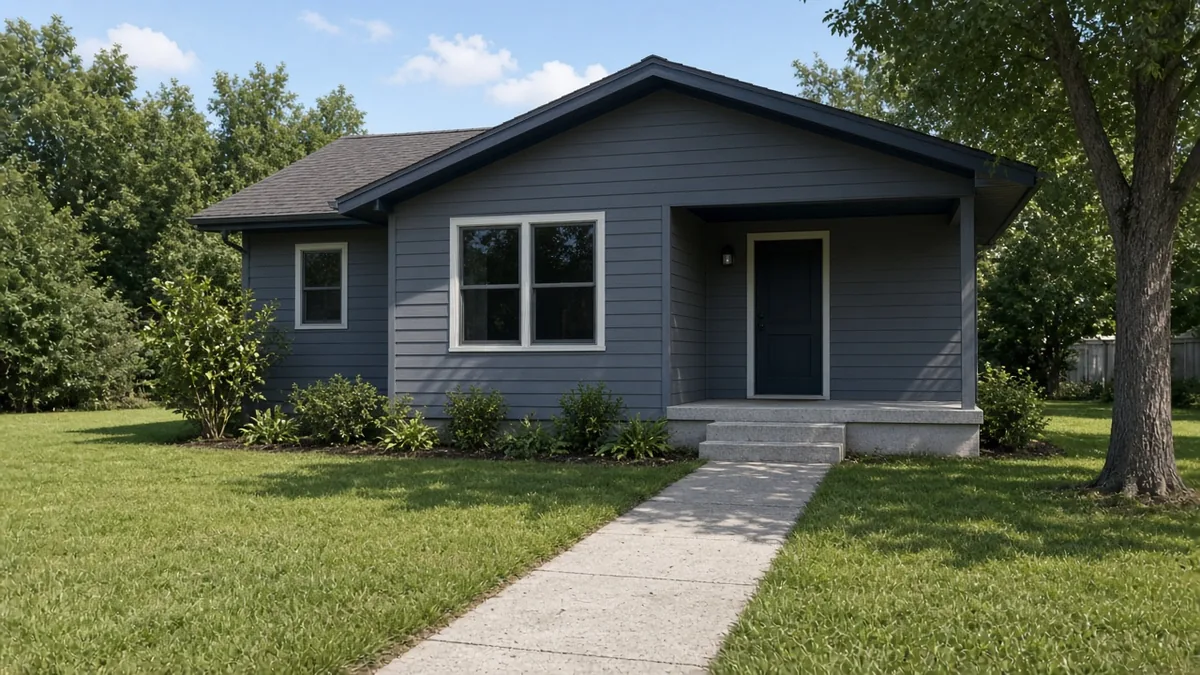
A DSCR loan on an assignment of contract is a business-purpose rental loan to the end buyer, the person who takes title when a purchase contract is assigned. The original buyer, often a wholesaler, assigns the right to purchase. The end buyer closes, borrows, and owns the rental. The wholesaler’s assignment fee is part of the contract story. It is not a construction budget, and this page is not a draw schedule for a renovation.
The file is underwritten like any other DSCR purchase, with one extra exhibit: the assignment. Reviewers look at who the borrower is, what the property will rent for, and what price is actually being paid. They also look at whether the end buyer will occupy the property. Occupancy can fail the file even when the assignment paperwork is clean.
IRS Publication 551 is the basis point, separate from the loan. The basis of property you buy is usually its cost. Cost is what you pay in cash, debt obligations, other property, or services. The publication says your basis includes settlement fees and closing costs for buying the property, and that a fee for buying property is a cost you would have even if you paid cash. Fees and costs for getting the loan are not added to basis. An assignment fee you pay so you can buy the property sits in the purchase. An origination fee for the DSCR loan does not get added to basis under that rule. A tax adviser applies the publication to your closing statement. The loan file will not do it.
Illustrations are arithmetic. They are not a rate quote and not an offer of credit. An inquiry is not an approval.
How a DSCR loan on an assignment of contract is priced
Two prices appear on these files. The first is the price in the original contract between the seller and the wholesaler. The second is the price the end buyer will pay, which is the original price plus the assignment fee, or a new price stated in the assignment. The appraisal is a third number. It is an opinion of value, not a contract.
Programs differ on which price they will lend against. Some use the all-in price the end buyer pays, if the appraisal supports it. Some use the original contract price and treat the assignment fee as cash the buyer brings on top. Almost all of them cap the loan at the price they accept and at the appraised value, and then apply their loan-to-value limit to the lower figure. Ask which price your term sheet uses before you write the fee into your offer to the wholesaler.
Walk an illustration. The original contract is $300,000. The assignment fee is $25,000. The end buyer’s all-in price is $325,000. The appraisal comes in at $310,000. A program that lends on the lesser of all-in price and appraisal starts from $310,000. A program that ignores the fee and starts from the original contract starts from $300,000. A 75 percent loan-to-value figure, used here only as arithmetic, produces different loans:
- Lesser of $325,000 and $310,000, then 75 percent: $232,500.
- Original contract of $300,000, then 75 percent: $225,000.
The $7,500 gap is the fee’s effect on proceeds under these two rules. Your program may use neither percentage. The point is that the fee does not automatically become loan proceeds. If the appraisal lands on the original price, the fee is cash.
Disclose the assignment on the contract the lender receives and on the closing statement. A fee that is paid outside closing, or buried in a side letter, is how files get declined late. The wholesaler’s profit is allowed to be visible. Hiding it does not raise the appraisal.
A large fee above the comps is an appraisal-gap problem, not a paperwork problem. The page on a DSCR loan appraisal gap is how buyers handle a value that comes in under the price they agreed to pay. On an assignment, the gap is often the fee. Renegotiating the fee is the lever the end buyer actually has.
Who the borrower is
The end buyer is the borrower. The wholesaler is not, unless the wholesaler is the party taking title and signing the note. On a true assignment the wholesaler never takes title. The deed runs from the seller to the end buyer. The assignment moves the contractual right. It does not make the wholesaler a co-borrower.
The end buyer has to fit the DSCR file. Credit, liquidity, the entity that will hold title, and the rent against the payment are the usual screens. The wholesaler’s credit is irrelevant because the wholesaler is not on the loan. The wholesaler’s contract is relevant because it is the path to the deed.
A related-party assignment gets a harder look. If the wholesaler and the end buyer share control, the fee can look like a price raised for the loan. Reviewers compare the original price, the fee, and the appraisal. Earnest money should match the contract. If the wholesaler posted the deposit, the assignment should say who is credited at closing.
Why a mixed occupancy file fails
DSCR financing on this product is for a non-owner-occupied rental. The ratio uses rent a tenant pays. The purpose is business-purpose investment.
A mixed file fails when the end buyer will occupy the property. The assignment does not change the purpose. A contract assigned to someone who will move in is a purchase of a home, even if a wholesaler stood in the middle. A duplex where the end buyer will live in one unit and rent the other is the same failure in a smaller form. The unit the owner will live in is not third-party rent. Part of the loan is the buyer’s housing. Consumer rules for a home purchase are a different file. The page on whether a DSCR loan can be owner-occupied covers that line. The assignment fee, the appraisal, and a personal guaranty do not move it.
The seller’s occupancy is a separate fact. A seller who lives in the house today can sell to an investor. The investor’s plan is what the DSCR file uses. If the end buyer will lease the property to a third party and live elsewhere, the seller’s current furniture does not make the loan a home loan. Say clearly, in the application, that the end buyer will not occupy.
A property that cannot be leased as it stands is outside this loan. The ratio needs a rent figure the program will accept. This page does not cover a construction budget or a draw.
What to hand the reviewer
Send the original contract, the assignment, and any price amendment. The chain should name the seller, the assignor, and the end buyer, with the fee stated. The borrower, the assignee, and the grantee on the deed should be the same party. Some states regulate how an assignment is disclosed to the seller. Comply with that disclosure. Order the appraisal after the fee is final, and show the lender the fee. Then run the rent against the payment on the loan those rules allow. The fee can raise the price. It does not raise the rent.
Exploring DSCR financing for an investment rental? Submit a confidential inquiry or call (907) 841-1600.
Frequently Asked Questions
Can the wholesaler be the borrower on a DSCR loan if the contract is assigned?
On a true assignment, the end buyer takes title and is the borrower. The wholesaler assigns the contract and does not take the deed. If the wholesaler wants the loan, the wholesaler has to be the buyer who actually closes, which is a purchase, not an assignment of the contract away from the wholesaler. The lender underwrites the party who signs the note.
Will the lender finance the assignment fee?
Programs differ. Some lend against the all-in price the end buyer pays when the appraisal supports it. Some lend against the original contract and expect the fee in cash. The loan is then limited by the price the program accepts and by appraised value. A fee that pushes the contract above the appraisal becomes an appraisal gap, not extra proceeds.
What if the end buyer will live in one unit?
The file fails this DSCR product. The loan is for a non-owner-occupied rental, and the ratio uses third-party rent. An owner living in the house, or in one unit of a small multiunit property, makes part of the purpose the buyer’s own housing. The assignment, the fee, and a guaranty do not change that occupancy. Say so before the appraisal is ordered.
Is an assignment of contract a construction draw?
No. An assignment moves the right to buy a property that is already under contract. A construction draw funds work as it is completed. This page is the end buyer’s purchase of a rental that can be leased as it stands. A property that has to be built or rebuilt before it can be occupied is a different loan.
Is a double close the same as an assignment?
A double close is two transfers. The wholesaler takes title and then deeds the property to the end buyer. An assignment is one deed, from the seller to the end buyer, with the contract right assigned in between. Lenders read them differently. Label the file the way the documents actually work, and show the funds moving the way the closing statement shows them.
Have a property in mind?
Submit a confidential inquiry — business-purpose and investment property only.
Start InquiryDisclaimer: This article is for informational purposes only and does not constitute financial, lending, legal, or tax advice. Commercial & DSCR Loans is a marketing and referral information service — not a lender, broker, or financial institution. Content relates to business-purpose and investment property financing only. Disclaimer · Terms · Privacy