DSCR Loan Reserves Requirements
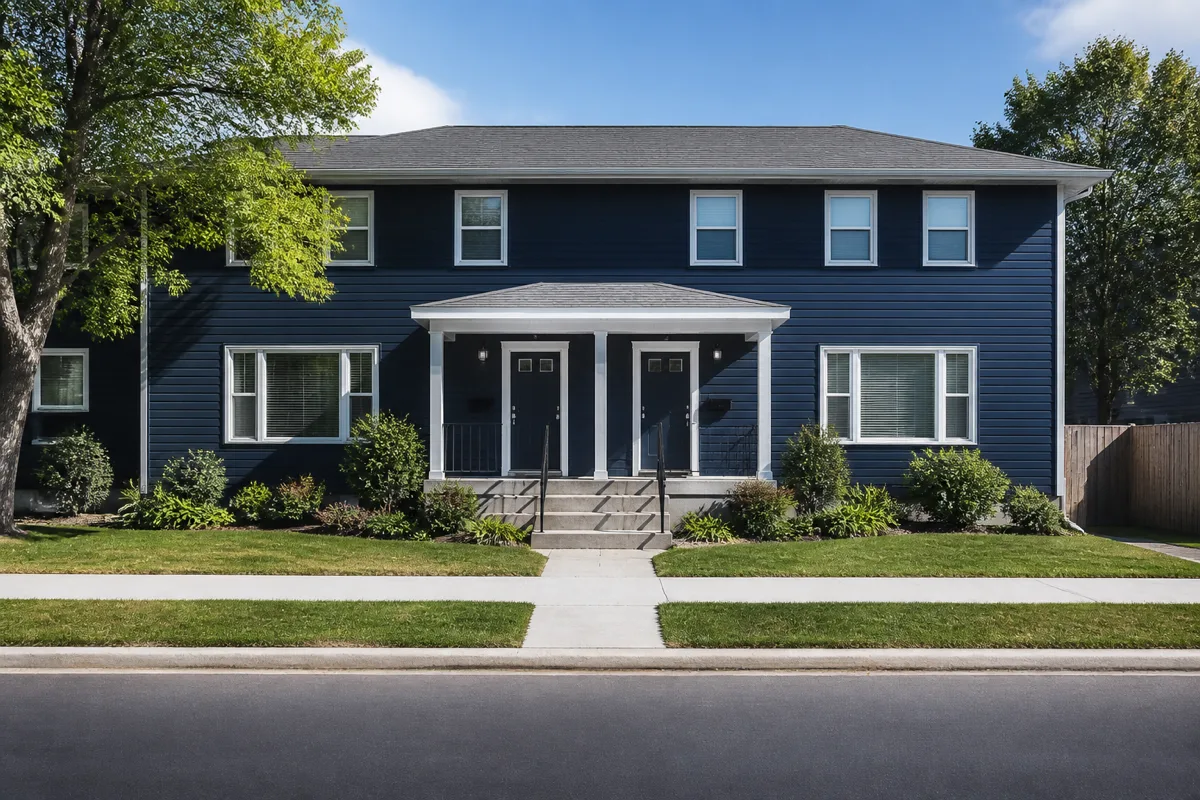
Investors researching DSCR loan reserves requirements usually want a clear, business-purpose explanation—what the concept means, which documents tend to matter, and how to stress-test a deal before you spend on appraisals. This article stays educational. It is not a loan offer, rate quote, or approval.
This site focuses on investment / business-purpose property financing themes. It is not consumer primary-residence mortgage content.
Why DSCR loan reserves requirements shows up in investor searches
Cash-flow underwriting, entity vesting, leverage limits, and exit costs shape whether a rental or commercial asset can carry debt. DSCR loan reserves requirements sits inside that decision set. Public housing research from HUD USER continues to show how large the private rental sector is—investors still need financing frameworks that match property income, not only W-2 wages.
Related resources: dscr loan requirements, dscr loan credit score requirements, and investment property reserves requirements.
Core ideas to underwrite before you inquire
- Property income — leases, market rents, or documented STR history (as applicable)
- Debt service — principal, interest, taxes, insurance, HOA/commercial expenses as relevant
- Coverage — DSCR or commercial NOI logic depending on product lane
- Liquidity — reserves after closing, not only down payment
- Exit — refinance, sale, or hold assumptions including prepayment structures
Treat every numeric range in investor blogs as educational. Capital providers apply overlays that change.
Documentation themes (not a promise)
Depending on the lane, packages often discuss some mix of:
- Entity documents (if vesting in an LLC)
- Credit and identity documentation for guarantors
- Rent rolls / leases / STR statements
- Insurance evidence and property details
- Appraisal or commercial valuation process
Light-documentation paths still are not “no review.” They change which income story is primary.
Product safety boundaries
This educational library does not pitch financing for construction, raw land, churches, co-ops, speculative development/SPEC homes, or individual mobile homes. If your project is outside stabilized or standard investment property types, say so early in an inquiry.
Practical deal habits
- Compute coverage before you fall in love with a purchase price
- Read HOA/CC&R rental rules before underwriting condo/townhouse STR income
- Model IO periods and prepay penalties into refinance break-evens
- Keep business-purpose occupancy honest—house hacking and investment DSCR are different lanes
- Use inquiries for scenario review; do not treat a form submit as an application decision
Exploring DSCR financing for an investment rental? Submit a confidential inquiry or call (907) 841-1600.
Deeper notes on DSCR loan reserves requirements
The teams that finish this work cleanly usually treat DSCR loan reserves requirements as an operating system problem, not a one-week documentation chore. They assign owners, write down the definition of done, and refuse to accept “we will clean it up after the audit” as a plan.
A practical sequencing approach:
- Stabilize the narrative — what risk are you reducing, in one sentence a CFO understands
- Inventory reality — systems, identities, expenses, or property income—measured, not assumed
- Close the highest-blast-radius gap first — privileged access, production keys, Critical vulns, or coverage below 1.0x
- Automate evidence — so the second quarter is cheaper than the first
- Rehearse the auditor / capital-provider questions — who approved, when, and what changed afterward
None of this replaces professional advice for your specific loan file, security program, or legal structure. It does replace wishful thinking with a checklist you can execute.
If you want a confidential scenario review for an investment property, call (907) 841-1600 or use the contact form and mention DSCR loan reserves requirements in your notes—include unit count, occupancy intent, and whether the question is purchase or refinance.
Field notes practitioners keep relearning
Experienced operators treat this topic as a sequence of decisions with owners, not a single blog tip. Write the decision down: what must be true before you proceed, who verifies it, and what happens if the verification fails. That simple discipline prevents most closing-week and audit-week emergencies.
When numbers are involved—loan coverage, cloud spend, remediation SLAs—rebuild the math from source documents instead of trusting a spreadsheet that has been forwarded three times. The first rebuild often exposes an outdated rent, an abandoned IAM user, or a log group that never got a retention policy.
Finally, separate education from commitment. Guides like this help you ask better questions. They do not replace a Loan Estimate, an engagement SOW, or a capital-provider review of your specific file.
Field notes practitioners keep relearning
Experienced operators treat this topic as a sequence of decisions with owners, not a single blog tip. Write the decision down: what must be true before you proceed, who verifies it, and what happens if the verification fails. That simple discipline prevents most closing-week and audit-week emergencies.
When numbers are involved—loan coverage, cloud spend, remediation SLAs—rebuild the math from source documents instead of trusting a spreadsheet that has been forwarded three times. The first rebuild often exposes an outdated rent, an abandoned IAM user, or a log group that never got a retention policy.
Finally, separate education from commitment. Guides like this help you ask better questions. They do not replace a Loan Estimate, an engagement SOW, or a capital-provider review of your specific file.
Frequently Asked Questions
What are DSCR loan reserves?
Liquid assets you still have after closing that can cover months of PITIA (or a similar housing expense figure) if the property is vacant or cash flow dips.
How many months are typical?
Educational ranges often land around three to six months, with overlays for lower DSCR, STR, or thinner credit files. Confirm on your specific scenario.
Do retirement accounts count?
Sometimes at a discounted percentage. Policies vary—ask what forms of liquidity are acceptable before you move money around.
Are reserves the same as down payment?
No. Down payment is cash into the deal; reserves remain after the deal funds.
Do first-time investors need more reserves?
Sometimes overlays are tighter for thinner experience. Stronger DSCR and credit can offset.
Have a property in mind?
Submit a confidential inquiry — business-purpose and investment property only.
Start InquiryDisclaimer: This article is for informational purposes only and does not constitute financial, lending, legal, or tax advice. Commercial & DSCR Loans is a marketing and referral information service — not a lender, broker, or financial institution. Content relates to business-purpose and investment property financing only. Disclaimer · Terms · Privacy