Landlord Insurance vs Homeowners Insurance
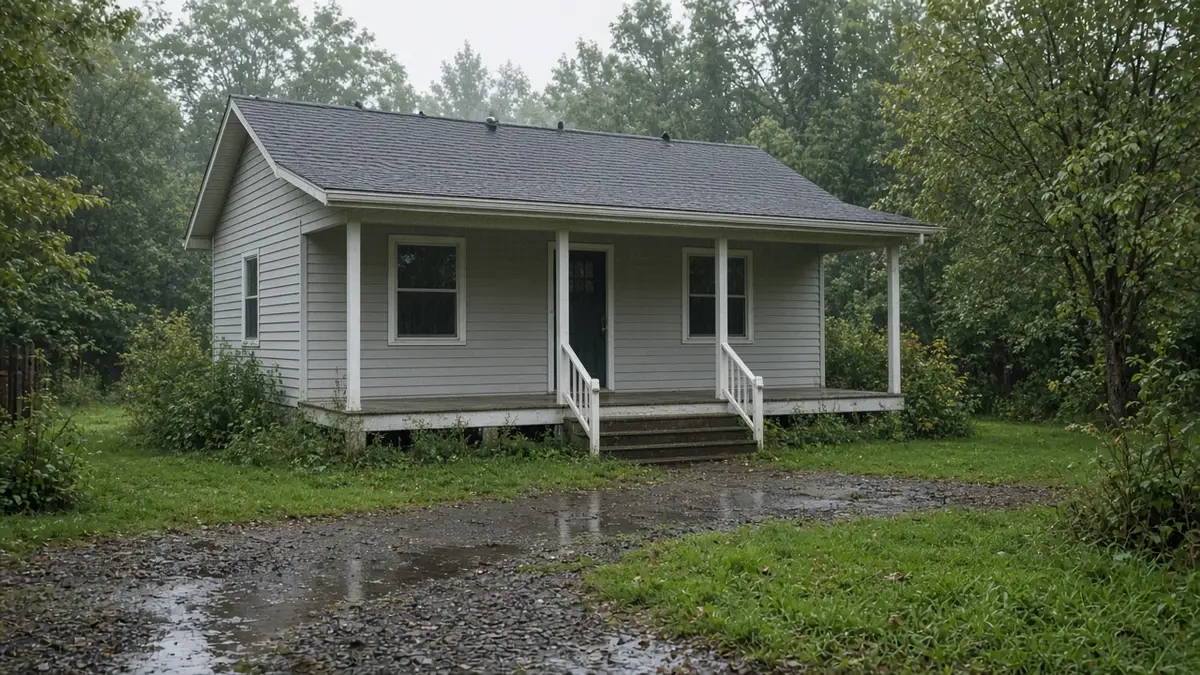
Landlord insurance vs homeowners insurance is an occupancy question. A homeowners policy is written for a home where the named insured lives. A landlord policy, often called a dwelling policy, is written for a property a tenant occupies under a lease. When you move out and a tenant moves in, the homeowners form is describing a building you no longer occupy. That mismatch is why a claim on a rental can stall or be denied even though you have paid premiums for years.
Illustrations here are not a rate quote and not an offer of credit. An inquiry is not an approval.
Landlord Insurance vs Homeowners Insurance After You Stop Living There
Read the declarations page before you list the house. The form name, the occupancy, and the named insured should match a leased rental. If the policy still says the residence is owner-occupied, call the carrier before the tenant gets keys. Do not wait for a kitchen fire to discover the form. Agents can sometimes add a short endorsement for an occasional rental. A year-long lease to someone else is a different use. Treat it as a rewrite, not a footnote.
The failure shows up in four places.
The building is covered for the wrong occupant. Homeowners forms assume household occupancy. A tenant changes who is in the house, how the kitchen is used, and who you can sue or be sued by. Carriers underwrite that difference on purpose. Leaving the old form in force asks the company to pay a rental loss on a residence contract.
Your belongings and the tenant’s belongings are different property. A homeowners contents limit is aimed at the owner’s furniture, clothes, and household goods. After you move, most of that property is gone. The tenant’s sofa is not yours and is not what a landlord policy is for. The tenant needs a renters policy for their property. You insure the appliances, window coverings, and other items the lease says you own. If you leave tools in a locked closet, schedule them or remove them. A vague “I still have stuff there” story is a poor claim.
Loss of use is not loss of rents. When an owner-occupant cannot sleep at home after a fire, a homeowners policy may pay additional living expense so the household can live elsewhere. A landlord does not need a hotel for themselves. The landlord needs the rent to continue, or a fair-rental-value payment, while the unit is rebuilt and cannot be leased. Without that coverage, the mortgage payment continues and the rent stops. That gap is the practical reason the homeowners form fails on a rental even when the dwelling limit looks large enough.
Liability follows the people on the form. Homeowners liability is built around the owner’s household, guests, and the way a family uses a yard. A tenant, the tenant’s guest, and a delivery person on a leased property are a premises exposure. The landlord policy is where that premises liability is supposed to sit. An injury on the front steps is the claim that reveals the wrong form, because property damage and bodily injury are adjusted separately.
Tell the carrier the date you will vacate, that a tenant will occupy under a lease, the lease length, and whether any room stays available to you. “I might stay over on weekends” is still occupancy. If you truly live there and rent a room, say that. If you live elsewhere, say that. The form follows the facts.
What a Landlord Policy Is Supposed to Do
A dwelling policy for a rental typically insures the structure against the perils in that form, limited landlord-owned contents, premises liability, and loss of rents or fair rental value. The exact perils depend on whether the form is named-peril or open-peril on the dwelling. Do not assume “dwelling policy” means every cause of loss is covered. Read the exclusions. Flood and earthquake are commonly excluded and need their own policies if you want them. A homeowners policy had the same gap. Changing forms does not create flood coverage.
Loss of rents should be sized to the rent in the lease, for a period long enough to rebuild, not for a token thirty days you hope will be enough. Pair it with the cash-flow math. If rental cash flow after debt service depends on that rent to pay the note, a rebuild with no rent coverage is a vacancy you did not underwrite. Ask the agent to show the limit and the number of months.
Deductibles change the cash you need on hand. A $2,500 deductible on a roof claim is a reserve problem, not an abstract policy term. When you compare quotes, compare deductibles and loss-of-rents months in the same glance as the premium. The cheaper premium with a deductible you cannot write is not cheaper.
If you are converting a primary residence to a rental, make the insurance call part of the conversion, in the same week you decide the house will be leased. The tax clock and the policy clock are separate. Depreciation does not repair a denied claim.
Lenders on investment property usually want to be named on a policy that matches rental occupancy, with evidence of insurance before closing or before a refinance funds. Property insurance requirements on a DSCR loan describe what a file often has to show. A homeowners declarations page on a house that will be vacant of the owner at closing is a condition you should expect to fix, not a document to hope nobody reads.
Premiums, Escrow, and the Rent You Charge
The premium is an operating cost. Put the annual landlord premium into the cash-flow worksheet in the year it applies. Publication 527 says that if you pay an insurance premium for more than one year in advance, you cannot deduct the whole premium in the year you pay it. For each year of coverage, you deduct only the part that applies to that year. Cash and the deduction can land in different years. Your reserve still has to cover the check you write.
Price the rent with the new premium in it, not the old homeowners bill. Landlord coverage often costs more than the owner-occupied policy on the same house because the occupant changed and because loss of rents is a coverage the homeowners form was not selling you. If the rent comps cannot carry the new premium, the insurance did not get more expensive by surprise. The use of the house changed, and the rent has to carry the use. Running comps on one door should happen with the landlord premium already in your expense column.
Shop the dwelling limit against reconstruction cost, not against the loan balance and not against what you paid for the house years ago. A limit that equals the mortgage can leave you short of a rebuild if values and the loan have diverged. Ask the agent what the dwelling limit is meant to replace. Then keep the tenant’s renters policy as a lease requirement so their contents and their liability are not quietly assumed to be yours.
An umbrella or an extra liability limit sits on top of an underlying policy. It does not correct a homeowners form that never covered a tenant-occupied house. Fix the underlying rental policy first. The umbrella conversation is a later one, and only after the primary form matches the lease.
Ready to discuss business-purpose financing options for an investment property? Call (907) 841-1600 or use the contact form.
Frequently Asked Questions
Why does a homeowners policy fail once the house is rented?
Landlord insurance vs homeowners insurance follows who lives in the building. A homeowners form is built for the owner as occupant, including that household’s contents, additional living expense, and household liability. A leased rental needs a landlord form that covers tenant occupancy, landlord-owned contents, premises liability, and lost rent during a covered rebuild.
Can I add an endorsement and keep the homeowners policy?
Sometimes, for a brief or partial rental the carrier is willing to endorse. A full move-out and a lease to a tenant is usually a dwelling policy, not a sticker on the old form. Ask the carrier in writing before the tenant takes possession. An informal conversation with no endorsement on the declarations page is not a change in coverage.
Does the tenant’s renters policy cover the house?
No. Renters insurance is for the tenant’s belongings and the tenant’s liability. Your structure, your appliances, your loss of rents, and your premises liability belong on your landlord policy. Require renters insurance in the lease so those two policies meet at a boundary you wrote down.
Is loss of rents the same as additional living expense?
No. Additional living expense helps an owner-occupant live somewhere else, while loss of rents or fair rental value replaces rental income during a covered rebuild. A rental that still has a loan payment needs the rent coverage. Homeowners living-expense coverage does not pay that rent to you.
When should I switch the policy if I am moving out?
Before the first lease starts, and before you stop sleeping there if the carrier requires the change at vacancy. Tell them the move-out date and that a tenant will occupy the house. Investment-property lenders commonly require evidence of rental-occupancy coverage. Sort the form while you still have time to rewrite it.
Have a property in mind?
Submit a confidential inquiry — business-purpose and investment property only.
Start InquiryDisclaimer: This article is for informational purposes only and does not constitute financial, lending, legal, or tax advice. Commercial & DSCR Loans is a marketing and referral information service — not a lender, broker, or financial institution. Content relates to business-purpose and investment property financing only. Disclaimer · Terms · Privacy