Financing a Marina Investment Property: What to Know
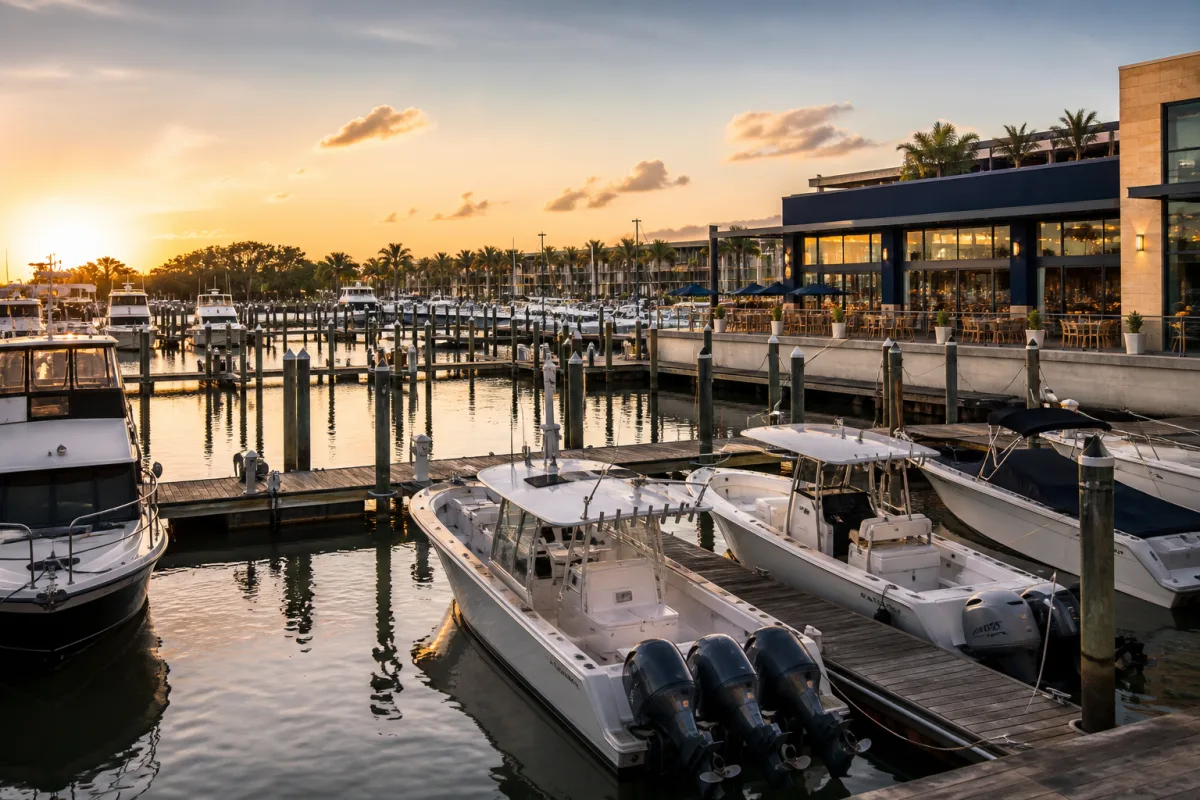
Marinas occupy a specialized-use category in commercial financing that combines elements of hospitality, real estate, and light industrial operations — slip rentals, fuel and service facilities, sometimes retail or dining components — which means underwriting a marina purchase looks somewhat different from a straightforward multifamily or retail deal.
Income Structure: Slip Rental as the Core Revenue Driver
Marina income is primarily driven by slip rental — whether seasonal, annual, or transient (short-term visiting boats) — and the mix between these categories matters for how stable and predictable the income stream looks to underwriting. A marina with a high proportion of long-term annual slip leases generally presents a more predictable income picture than one relying heavily on transient, weather- and season-dependent traffic.
Additional revenue sources common to marinas include fuel sales, dry storage, boat service and repair operations, and sometimes ancillary retail or food service — each with different margin profiles and seasonality that a lender reviewing the deal will want documented separately rather than as a single blended revenue figure.
Seasonality and Its Effect on Underwriting
Marinas in seasonal climates see meaningfully compressed revenue during off-season months, which underwriting typically accounts for by looking at trailing full-year (or multi-year) operating history rather than annualizing a peak-season snapshot. If you’re acquiring a marina without full operating history available (a value-add or transitioning-ownership scenario), be prepared to provide whatever historical financials exist and a realistic, conservative projection for the property’s specific seasonal pattern.
Environmental Review Is a Bigger Factor Than for Most Property Types
Waterfront commercial properties, and marinas specifically, typically require more thorough environmental review than a typical inland commercial property — considerations include potential soil or sediment contamination from historical fuel storage and dispensing, stormwater runoff management, and proximity to protected waterways or wetlands that may carry additional regulatory requirements. A Phase I environmental site assessment is a standard part of marina financing due diligence, and depending on findings, a Phase II assessment (more invasive soil/water testing) may be required before financing can proceed.
Permitting and Regulatory Considerations
Marina operations typically require permits at multiple government levels — state waterway use permits, local zoning compliance, and sometimes federal permits if dredging or structural work in navigable waters is involved. Confirming that current permits are in good standing and transferable to a new owner (where required) is a due diligence item worth addressing early, since permit issues discovered late in the process can meaningfully delay closing.
What to Prepare for a Marina Financing Request
- Multi-year operating statements breaking out slip rental, fuel, service, and any ancillary revenue separately.
- Current permit documentation confirming good standing and transferability.
- Any existing environmental assessment reports, or realistic expectations about the Phase I/II process timeline if none exist yet.
- Slip occupancy history and lease structure (annual vs. transient mix) to demonstrate income stability.
Exploring financing for a marina or other specialized-use investment property? Submit a confidential inquiry or call (907) 841-1600.
Frequently Asked Questions
Do marinas require a different type of environmental review than other commercial properties?
Generally, yes — waterfront properties with fuel storage and dispensing operations typically face more thorough environmental scrutiny than a standard inland commercial property, often starting with a Phase I assessment.
How is seasonal income handled in marina financing?
Underwriting typically looks at trailing full-year or multi-year financial history to account for seasonal revenue patterns, rather than relying on a single peak-season period.
What permits does a marina typically need to keep current?
This varies by location but commonly includes state waterway use permits and local zoning compliance; confirming permits are transferable to a new owner is an important due diligence step.
Can I finance a marina that also has a retail or restaurant component?
Mixed-revenue marina properties are financeable, though underwriting will typically want each revenue stream documented separately to understand the overall income picture clearly.
Is marina financing available for a property needing significant dock or infrastructure repairs?
This depends on the scope and the specific capital source’s risk appetite — significant deferred infrastructure needs are a factor lenders will want addressed as part of underwriting, since dock and slip condition directly affects both value and income potential.
Have a property in mind?
Submit a confidential inquiry — business-purpose and investment property only.
Start InquiryDisclaimer: This article is for informational purposes only and does not constitute financial, lending, legal, or tax advice. Commercial & DSCR Loans is a marketing and referral information service — not a lender, broker, or financial institution. Content relates to business-purpose and investment property financing only. Disclaimer · Terms · Privacy