Retail Investment Property Loan Overview
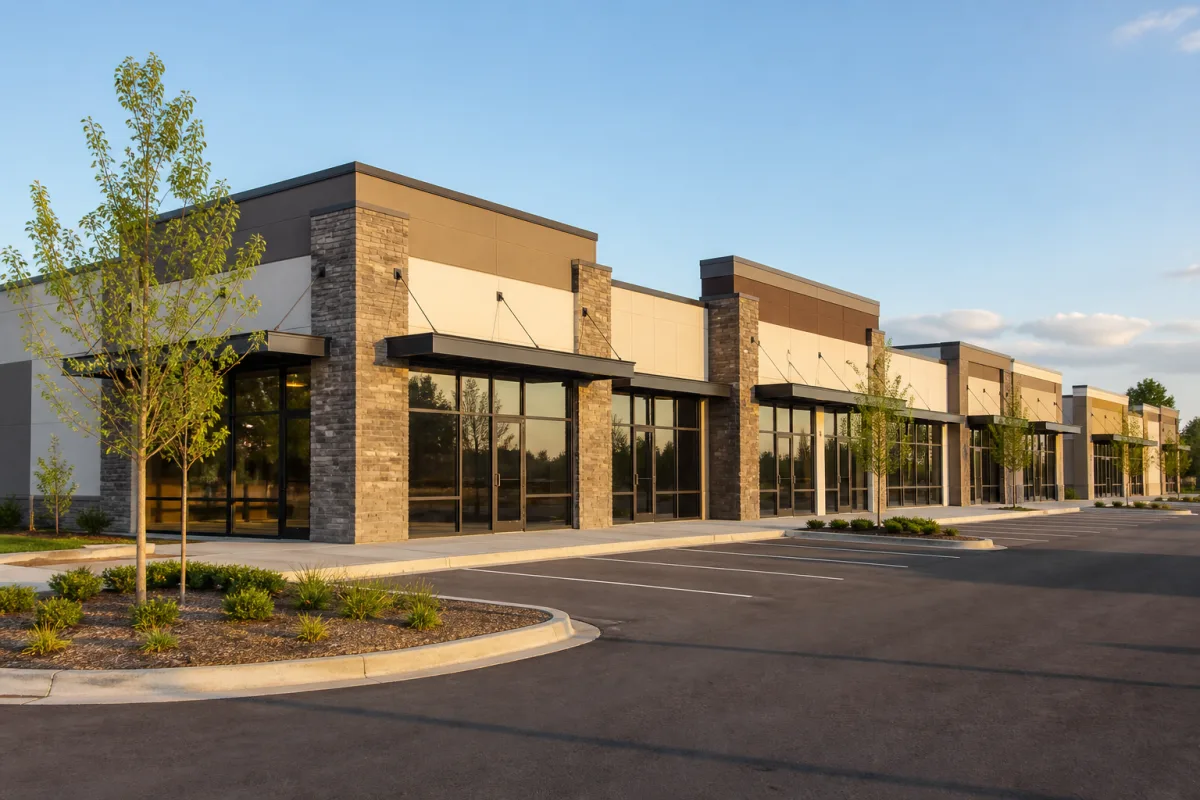
A retail investment property loan is business-purpose financing used to purchase or refinance retail space held as an investment—single-tenant shops, small multi-tenant strips, or retail bays that are not your personal residence.
This article covers how investors evaluate tenant risk, lease structure, and cash flow so financing conversations stay grounded.
What counts as retail investment property here
Common examples:
- Single-tenant retail buildings leased to a business
- Small multi-tenant strip centers
- Ground-floor retail (sometimes as part of mixed-use)
The through-line is investment intent: you collect rent from commercial tenants. Owner-user financing for your own storefront is a different conversation than pure investment retail.
Cash flow and tenant quality
Retail underwriting usually starts with the lease, not a W-2.
Investors and capital providers look at:
- Remaining lease term and renewal options
- Tenant creditworthiness and business durability (educational judgment, not a score promise)
- Rent vs market rent
- Expense structure (NNN, modified gross, full service)
- Vacancy downtime if the tenant leaves
A simple coverage lens:
NOI (or program-defined income) ÷ annual debt service ≈ DSCR
Many commercial conversations discuss DSCR around 1.20–1.40+ as an educational band for healthier deals. Single-tenant assets may face tighter scrutiny because one vacancy zeroes income.
Public small-business and retail sector context from the U.S. Census Bureau’s business and economy data can help you sanity-check local demand narratives (Census business & economy).
Single-tenant vs multi-tenant retail
Single-tenant: Simpler operations, higher concentration risk. Lease term and tenant strength dominate the file.
Multi-tenant: Diversified income, more management, more moving parts in the rent roll. Underwriting may still stress a major tenant rollover.
Neither is automatically “better.” Match the financing story to the actual risk.
What to prepare for a retail investment property loan review
- Executed leases and amendments
- Rent roll with square footage and lease expirations
- Trailing financials or rent payment history when available
- Property tax and insurance information
- Entity documents if vested in an LLC
- Brief narrative: why this location and tenant mix make sense
Photos of deferred maintenance help too—retail curb appeal affects reletting time.
Purchase and refinance use cases
- Acquisition of a leased retail asset with in-place income
- Rate/term refinance on a performing property
- Cash-out refinance when equity exists and overlays allow—often used for reserves or the next investment, not speculative construction pitches
Stabilized, leased assets are usually cleaner than vacant shells awaiting unknown tenants. Vacant retail can still be discussed, but expect more conservative income assumptions.
How retail differs from residential DSCR rentals
Dedicated DSCR rental products often focus on 1–4 unit residential cash flow. Retail investment financing more often sits in commercial business-purpose territory, even when DSCR math appears in the analysis. Keep product categories clear when you inquire.
Investor due diligence before financing talks
Before you spend money on reports, walk the basics:
- Confirm zoning and certificate of occupancy match retail use
- Estimate downtime to replace the current tenant at market rent
- Check whether deferred maintenance will scare the next operator
- Model taxes after a likely reassessment
- Decide if you are buying cash flow, location optionality, or both
A clean financing inquiry is easier when your own underwriting already survived a conservative vacancy year.
Frequently Asked Questions
Can I finance retail property with light documentation?
Sometimes lighter-doc commercial paths exist after bank-style turndowns or for strong leased assets, but “light” never means “no review.” Lease quality and property cash flow still matter. Educational only—no guaranteed program access.
Does a national brand tenant guarantee approval?
No. A recognizable tenant can support the income story, yet approval, LTV, and terms always depend on the full file and the capital provider’s criteria.
What if the retail space is partly vacant?
Partial vacancy is common. Underwriting may use in-place rents plus conservative market rent for vacant bays—or reduce LTV. Bring a leasing plan, not just optimism.
Are restaurants and specialty uses harder?
They can be. Specialized buildouts, odor/ventilation issues, and operator risk may affect insurance and reletting assumptions. Disclose use type early.
Is a website inquiry a credit application?
No. Contacting this site is an information request only, not a loan application or credit decision.
Have a commercial or mixed-use investment property in mind? Start with a confidential inquiry or call (907) 841-1600.
Have a property in mind?
Submit a confidential inquiry — business-purpose and investment property only.
Start InquiryDisclaimer: This article is for informational purposes only and does not constitute financial, lending, legal, or tax advice. Commercial & DSCR Loans is a marketing and referral information service — not a lender, broker, or financial institution. Content relates to business-purpose and investment property financing only. Disclaimer · Terms · Privacy