Bridge Loan vs Permanent Commercial Financing
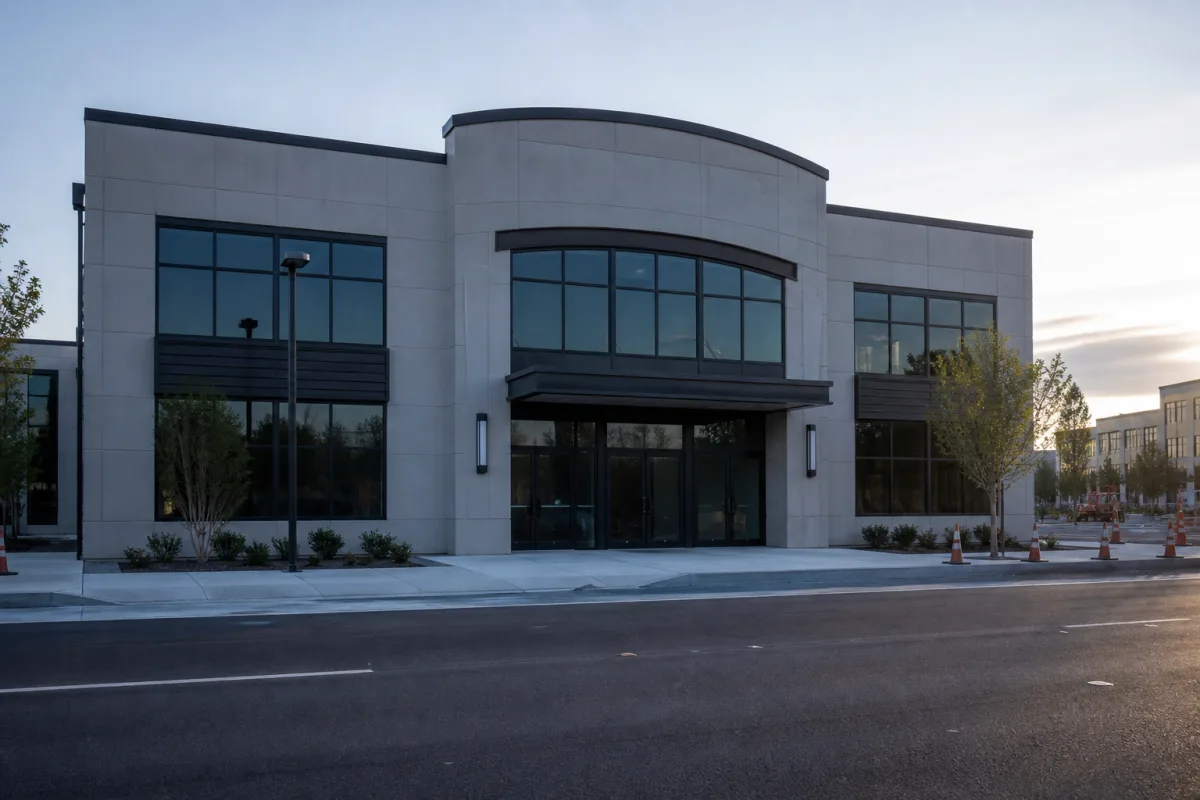
Bridge loan vs permanent commercial financing is a timing decision. Bridge thinking is short-term capital meant to get an investment asset from Point A to Point B. Permanent (or longer-term) structures aim to hold stabilized cash flow over years. Mixing the two without an exit plan is how investors get stuck.
This article is educational and business-purpose only — not a construction or SPEC pitch.
Definitions investors actually use
Bridge-style financing
- Shorter anticipated hold
- Often used around transition: lease-up, refinance timing, or repositioning
- Exit usually depends on sale or refinance into longer capital
Permanent / longer amortizing commercial financing
- Built for stabilized or near-stabilized investment assets
- Longer term and amortization themes
- Underwriting leans on durable NOI and lease structure
Exact product names vary; focus on term, extension options, and exit requirements rather than marketing labels.
When bridge thinking may fit
Investors consider short-term structures when:
- A property needs time to stabilize occupancy before longer financing
- A purchase must close faster than a permanent package can
- A refinance window is approaching but valuation needs CapEx first
- A known exit (sale or takeout loan) is documented in the plan
Bridge capital is a tool — not a permanent business model. If you cannot articulate the takeout, pause.
When longer commercial financing may fit
Longer structures often fit when:
- Occupancy and rents are durable
- Major CapEx is complete or modest
- You want payment predictability for a multi-year hold
- Sponsorship and property type match commercial guidelines
See Commercial Real Estate Loans for Investors for CRE basics and Fix and Hold Commercial Financing for hold-period framing.
Comparison table
| Dimension | Bridge-oriented | Longer / permanent-oriented |
|---|---|---|
| Goal | Transition | Hold & cash flow |
| Term feel | Short | Multi-year |
| Underwriting focus | Exit + current collateral | Stabilized NOI |
| Cost of capital | Often higher | Often lower if risk is lower |
| Prepay / exit | Plan for refinance/sale | Match hold period |
Risk controls sophisticated investors use
- Model the takeout DSCR under conservative rents
- Stress interest expense if the bridge floats
- Budget extension costs before you need them
- Keep CapEx and lease-up timelines honest
- Avoid stacking short-term debt with no reserves
Industry and academic discussions of commercial credit cycles (including materials available through the Federal Reserve) underline why exit liquidity matters when short-term debt rolls.
Have a commercial or mixed-use investment property in mind? Start with a confidential inquiry or call (907) 841-1600.
Building a written exit memo
Before you pursue short-term capital, write a one-page exit memo:
- Target stabilization metrics (occupancy, NOI)
- Expected takeout LTV and DSCR
- Calendar with buffer months
- Plan B if lease-up slips (extension budget, equity infusion, sale)
If you cannot fill that page, you are not ready to optimize for bridge-style debt. Permanent structures reward patience on assets that already work; bridge structures reward clarity about the path to “already works.”
Cost is more than the headline rate
Short-term capital can include origination, exit fees, extension fees, and tighter prepay economics. Compare total cost across the expected hold, not only the starting rate. A “cheaper” permanent loan that you cannot qualify for yet is not a real alternative until stabilization is funded.
When not to use short-term debt
Skip bridge-oriented structures when the asset is already stable, your hold is long, and longer financing is available on workable terms. Extra complexity is not a badge of sophistication. Likewise, avoid short-term debt if your only exit assumption is “rates will be lower later” with no operational plan to improve NOI.
Frequently Asked Questions
Is a bridge loan only for renovations?
No. Renovation is one use case. Investors also use short-term capital for timing gaps, lease-up, or refinance sequencing on already decent assets. Heavy construction/SPEC is outside this site’s focus.
Can I go straight to permanent financing on a vacant building?
Sometimes, but vacant or heavily dark assets often face tighter leverage or may not fit longer cash-flow structures until leased. Be prepared for a stabilization plan conversation.
What is a “takeout” loan?
Takeout means the longer financing (or sale) that pays off short-term debt. Your bridge story should name a realistic takeout path.
Do DSCR rental products count as permanent financing?
Dedicated 1–4 DSCR loans can function as longer-hold financing for investment rentals. They are a different lane than classic CRE bridge/permanent packages for larger commercial assets.
Does an inquiry commit me to bridge or permanent?
No. An inquiry is informational. Structure recommendations come later after property details are reviewed.
Have a property in mind?
Submit a confidential inquiry — business-purpose and investment property only.
Start InquiryDisclaimer: This article is for informational purposes only and does not constitute financial, lending, legal, or tax advice. Commercial & DSCR Loans is a marketing and referral information service — not a lender, broker, or financial institution. Content relates to business-purpose and investment property financing only. Disclaimer · Terms · Privacy