Fix and Hold Commercial Financing Guide
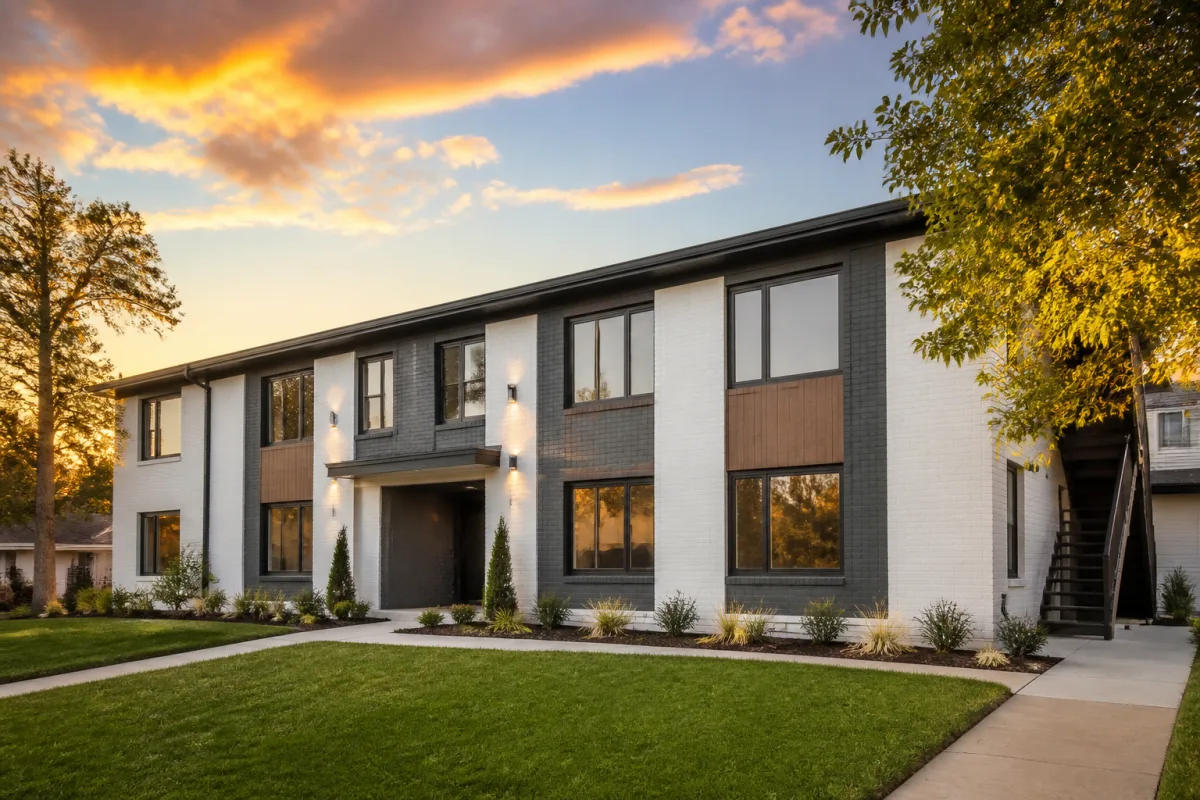
Fix and hold commercial financing supports investors who improve an income property and then keep it for cash flow — rather than flipping for a quick sale. The financing conversation usually hinges on whether the asset is already stabilized or still mid value-add.
Important scope note: this guide is about business-purpose investment holds. It is not a construction loan, raw-land, or SPEC-home pitch.
Stabilized vs value-add (use precise language)
Stabilized
- High occupancy
- Market rents (or close)
- Deferred maintenance under control
- Financing often underwrites current cash flow
Value-add / fix-and-hold
- CapEx or lease-up still ahead
- NOI expected to rise after work
- Underwriting may stress current income more than optimistic pro formas
- Exit to longer financing often depends on hitting stabilization milestones
If your plan requires ground-up building, you are in a different capital category than this article covers.
How investors typically sequence capital
- Acquire with financing sized to today’s risk
- Execute CapEx from reserves, cash-out, or separate funds
- Lease / raise rents to the new operating reality
- Refinance into longer hold financing when numbers support it
Bridge vs longer capital themes are covered in Bridge Loan vs Permanent Commercial Financing. Cash-out to fund improvements: Commercial Cash-Out Refinance.
Underwriting themes for fix-and-hold
| Theme | Why reviewers care |
|---|---|
| Current rent roll | Floor for debt service today |
| CapEx budget & contingency | Overruns kill timelines |
| Contractor / project plan | Credibility of the “fix” |
| Lease-up assumptions | Vacancy duration risk |
| Sponsorship experience | Value-add is operationally harder |
| Reserves | Ability to survive delays |
Educational DSCR on the as-is and as-stabilized cases side by side keeps you honest:
DSCR = NOI ÷ debt service
If as-is coverage is weak, leverage or structure may need to change even if the future story is attractive.
CapEx categories that usually matter
- Life safety and code items first
- Roof, envelope, and waterproofing
- HVAC and mechanical systems that drive tenant retention
- Unit/suite turns that unlock market rent
- Exterior/curb appeal that supports leasing velocity
Public building and housing quality context is widely discussed in federal housing materials such as HUD resources; your local code requirements still govern the work itself.
Mistakes that derail fix-and-hold financing
- Underwriting only the after-repair fantasy NOI
- Ignoring insurance changes after renovations
- No contingency in the CapEx budget
- Planning a refinance date with no lease-up buffer
- Calling a heavy rebuild “light rehab”
Have a commercial or mixed-use investment property in mind? Start with a confidential inquiry or call (907) 841-1600.
Measuring success beyond “the rehab looks good”
Cosmetic upgrades that do not raise rent, reduce expenses, or improve leasing velocity may feel productive without improving DSCR. Define success metrics before you start: target rent per unit/suite, days vacant, and NOI after normalized expenses.
Photograph before/after states and keep invoices. Future refinance files benefit from a clean CapEx trail, especially when you argue that value and income have both moved.
Hold-period financing discipline
Fix-and-hold fails when investors permanently keep short-term debt because the takeout never quite qualifies. Set a refinance checklist at acquisition: required occupancy, minimum DSCR, and maximum acceptable takeout rate in your model. Revisit monthly until you exit transitional capital.
Tenant communication during renovations
Value-add work that displaces tenants without a plan can destroy the income you need for takeout financing. Sequence vacant-unit renovations first when possible, and document temporary rent adjustments honestly. Financing partners care about the operating reality during the “fix,” not only the brochure at the end.
Frequently Asked Questions
Can I finance renovations inside the same commercial loan?
Sometimes structures allow limited repair escrows; other times CapEx is funded from equity or a later cash-out. Heavy construction is a different conversation and not the focus here.
Is fix-and-hold the same as BRRRR?
Related idea, different vocabulary. BRRRR is often discussed in residential investing (buy, rehab, rent, refinance, repeat). Fix-and-hold in CRE is the same spirit — improve, then keep — with commercial documentation depth.
Do I need commercial experience to buy a value-add fourplex?
Fourplexes often sit in residential investment / DSCR lanes. Experience expectations still rise with complexity. Be transparent about your operating plan.
When should I refinance after repairs?
Common signals include stabilized occupancy, documented higher rents, and completed CapEx with clean inspection/insurance updates. Timing is deal-specific.
Does an inquiry guarantee renovation financing?
No. An inquiry is informational only. Eligibility and structure depend on a later review by a capital provider.
Have a property in mind?
Submit a confidential inquiry — business-purpose and investment property only.
Start InquiryDisclaimer: This article is for informational purposes only and does not constitute financial, lending, legal, or tax advice. Commercial & DSCR Loans is a marketing and referral information service — not a lender, broker, or financial institution. Content relates to business-purpose and investment property financing only. Disclaimer · Terms · Privacy