Commercial Loan Phase II Environmental Sampling
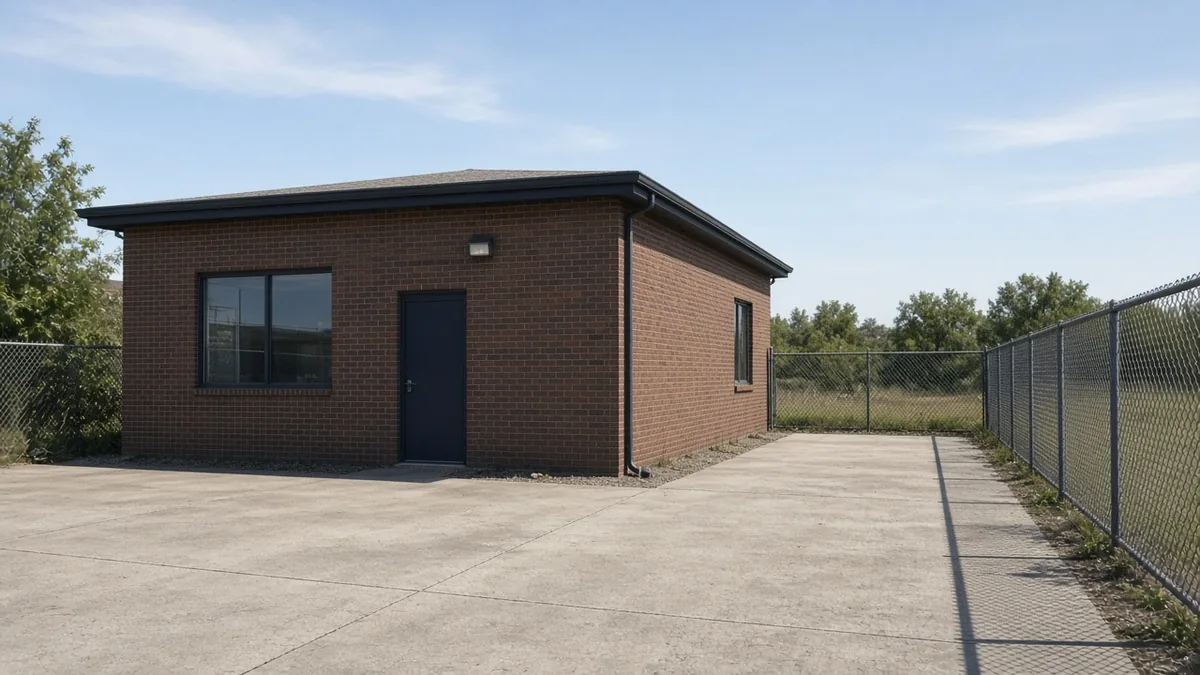
A commercial loan Phase II environmental report is the sampling step. It starts after a Phase I environmental site assessment has already named a recognized environmental condition. Soil, groundwater, or soil gas is collected to test that condition. A Phase II does not replace the Phase I, and it is not ordered because a closing checklist has an empty box. If the Phase I does not name a recognized environmental condition, there is usually nothing for the borings to target.
These reports are part of due diligence. They are not a rate quote, an offer of credit, or a promise that a file will close. An inquiry is not an approval. A confirmed release that still needs cleanup is often outside the property types a business-purpose review will finance. This page explains the sampling step. It is not a path to finance a contaminated site.
Commercial Loan Phase II Environmental Work Follows the Phase I
EPA’s All Appropriate Inquiries rule is the federal process for evaluating a property’s environmental conditions when a buyer is seeking certain liability protections under the federal cleanup law. EPA states that ASTM E1527-21, the standard practice for a Phase I environmental site assessment, can be used to satisfy that rule. The Phase I is records, a site visit, and interviews. Its job is to identify recognized environmental conditions. Sampling is not that job.
The Phase I article covers how that report is built and how a commercial file uses it. This page starts one step later. Commercial loan due diligence is the wider list: title, survey, rent roll, a property condition report, and the environmental work. The environmental line splits in two only when the first report gives the second report a target.
| Question | Phase I | Phase II |
|---|---|---|
| What it is | Records, visit, interviews | Samples and lab results |
| What it looks for | A recognized environmental condition | Whether that condition is confirmed |
| When it is ordered | Standard diligence on many commercial files | After a Phase I names a condition to test |
A recognized environmental condition, in the Phase I standard, is the presence or likely presence of hazardous substances or petroleum products because of a release, conditions that indicate a release, or a material threat of a future release. A small stain the environmental professional calls de minimis is not that finding. A historical condition that was cleaned up to unrestricted use is not the same trigger. A controlled recognized environmental condition is different: contamination was addressed, something remains in place, and controls are required. Treat a controlled condition as a reason to ask whether sampling or proof of the control belongs in the file. Do not treat every old file note as a reason to drill.
A data gap is also not automatically a Phase II. A locked room, a missing tank record, or an aerial photo the consultant could not obtain is a hole in the Phase I. The capital source may ask for access or for the missing record before anyone talks about borings. Sampling answers a release question. It does not fill every blank on the questionnaire.
What the Samples Are Aimed At
ASTM E1903 is the standard practice for a Phase II environmental site assessment. The practice lets the user and the assessor set the question the samples will answer. On a commercial loan file, that question is the recognized environmental condition the Phase I already named. A former underground tank points at the tank basin and the piping run. A long-running dry-cleaning tenant points at the solvent pathway the Phase I described. A surface stain points at the stained soil, not at the far corner of the parcel, unless the first results give a reason to step outward.
The work can include soil borings, temporary or permanent groundwater points, and soil-gas samples. Indoor air is sometimes added when a vapor path is the actual question. The count of samples follows the condition. A few shallow borings beside a former tank pad and a groundwater study of a migrating plume are different assignments. Compare fees only after the written scope says how many points, how deep, and which chemicals the lab will run.
The environmental professional, not the appraiser, designs that scope. A property condition assessment walks the roof, the structure, and the mechanical systems. It can flag a stained slab as a thing the environmental report should already know about. It does not send soil to a lab. Keep the two reports separate in the file so a clean roof does not get misread as a clean tank basin.
Results come back as concentrations. The consultant compares them with the regulatory criteria that apply to that chemical, that state, and that exposure path. This page does not list screening numbers. Those figures are not a national table you can paste into a loan memo, and they change. Ask the consultant which criteria the report used, and ask what “below the criteria” means for this site: unrestricted use, commercial use, or use only with a control still in place.
What the Loan File Does With the Lab Report
Three endings show up in real files.
The samples do not confirm a release above the criteria the report uses. The Phase II is attached behind the Phase I, and the diligence comment often stops there. That is a fact about the samples. It is not an approval, and it does not bind a capital source that reads the same pages and still wants a tighter scope.
The samples confirm a release. The next conversation is how far it extends, what a further round of borings would cost, and whether anyone has a credible range for cleanup. A buyer and a seller can renegotiate price, post an escrow, or walk away. Many business-purpose programs will not take a property with an unresolved environmental condition. If that is the result, treat it as a reason to stop the financing path, not as a problem to shop.
The samples are inconclusive. Access was limited, the borings missed the basin, or the lab flagged the data. An inconclusive Phase II is not a clean Phase II. The file still has an open condition until someone with authority says otherwise.
The capital source usually wants a reliance letter so it can rely on the report, not merely read a copy addressed to the buyer. The buyer usually pays. Neither of those habits is a rule of law. They are how these files are commonly built. Commercial property loan requirements sit around this report. The environmental pages do not replace rent, coverage, or title.
Timing sits on top of the ordinary closing calendar. A field day plus laboratory time is often measured in weeks. How long a commercial loan takes to close is the baseline. A Phase II is extra when the Phase I creates it. Build that time into the purchase contract before you promise a date you do not control.
Liability Questions Stay With Counsel
All Appropriate Inquiries is the Phase I standard EPA describes for certain federal liability protections. A Phase II does not take the place of that inquiry. If a recognized environmental condition is on the page, what you do next can matter for those protections and for state law. That advice comes from environmental counsel, not from a financing intake.
Answer the Phase I user questionnaire from what you actually know. A buyer who already knows about a release does not improve the file by hoping the samples skip that area. Counsel should hear about that knowledge before the scope is cut down to save a fee.
Have a commercial or mixed-use investment property in mind? Start with a confidential inquiry or call (907) 841-1600.
Frequently Asked Questions
Does every commercial loan need a Phase II?
No. A commercial loan Phase II environmental assignment is sampling, and sampling needs a target. Many files stop at a Phase I that does not name a recognized environmental condition. A capital source can still ask questions about a data gap or decline a property. The absence of a Phase II is not, by itself, an approval.
Is a Phase II just a longer Phase I?
No. The Phase I is records, a site visit, and interviews under the standard EPA allows for All Appropriate Inquiries. The Phase II collects soil, groundwater, or soil gas and sends it to a lab. Ordering the second report without a condition from the first report is a different assignment than the one lenders usually mean.
What if the Phase I only has a data gap?
A missing record or a room nobody could enter is a gap in the Phase I. The usual next step is to get the record or the access. Borings answer a release question. They are a poor substitute for a file the consultant was not allowed to read.
Can a clean Phase II guarantee the loan?
No. Results below the criteria in the report are one diligence fact. Coverage, value, title, tenants, and the capital source’s own read of the same report still sit in the file. A clean lab page is not a commitment.
Who chooses the boring locations?
The environmental professional scopes the work to the recognized environmental condition in the Phase I. The capital source often requires a firm it will rely on. The buyer should read the scope before comparing fees, because a tank-basin soil check and a groundwater plume study are not the same invoice.
Have a property in mind?
Submit a confidential inquiry — business-purpose and investment property only.
Start InquiryDisclaimer: This article is for informational purposes only and does not constitute financial, lending, legal, or tax advice. Commercial & DSCR Loans is a marketing and referral information service — not a lender, broker, or financial institution. Content relates to business-purpose and investment property financing only. Disclaimer · Terms · Privacy