HUD 223f Loan Requirements for Multifamily
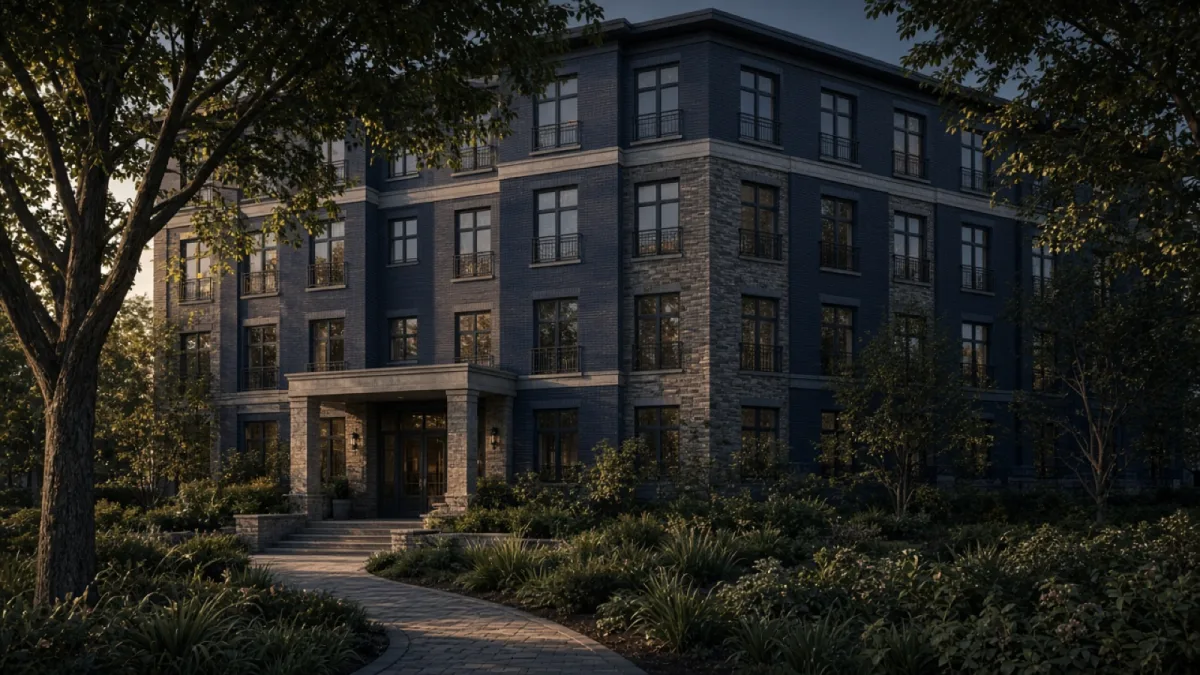
HUD 223f loan requirements are the FHA insurance box for buying or refinancing existing multifamily rental housing—not a construction program, and not a 1–4 unit DSCR product. Section 223(f) of the National Housing Act exists so a long, fully amortizing, typically non-recourse mortgage can sit on a building that is already standing and already producing rent. If you are comparing it to bank debt or a small-balance commercial loan, start with what HUD actually sizes: term, leverage, coverage, and a statutory per-unit cap.
This article is educational. An inquiry is not an application, and nothing here is a commitment that a given building will fit the program. Thresholds in the Multifamily Accelerated Processing (MAP) Guide and later mortgagee letters change. Use the current HUD materials for the file in front of you.
What HUD 223f Loan Requirements Are Trying to Do
HUD’s own multifamily program descriptions say Section 207/223(f) “insures mortgage loans to facilitate the purchase or refinancing of existing multifamily rental housing.” Properties that need substantial rehabilitation are not the 223(f) use case. HUD expects critical repairs done before endorsement and allows certain non-critical repairs after closing, with a completion window.
That existing-asset test is the first filter. If the business plan is a ground-up build, a gut rehab that replaces multiple major systems, or a vacant land assemblage, 223(f) is the wrong conversation. This site also does not pitch construction, raw land, or spec development financing. Keep 223(f) in the “stabilized or near-stabilized apartments you already operate or are buying as-is” lane.
HUD’s published program summary is the right official starting point: Descriptions of Multifamily Programs. The operational detail lives in the MAP Guide and related mortgagee letters.
The Building Test: Five Units, Kitchens, and Remaining Life
HUD 223f loan requirements start with the asset, not the sponsor’s W-2.
- Unit count. The property generally needs at least five residential units with complete kitchens and baths. That is why a fourplex is usually a residential/DSCR conversation and a 12-unit walk-up is a commercial/HUD conversation.
- Use. The program is multifamily rental housing. Heavy commercial mix is limited (industry practice often cites a cap on commercial net rentable area and on commercial share of effective gross income—confirm the current MAP numbers for your file).
- Term versus physical life. HUD’s program description states the mortgage term cannot exceed 35 years or 75 percent of the estimated remaining life of the physical improvements, whichever is less. A tired building with a short remaining economic life does not get a 35-year clock just because the brochure said “up to 35 years.”
- Repairs versus substantial rehab. Light, defined repairs can fit. Replacing more than one major system, or a true substantial rehabilitation, typically pushes the file out of 223(f) and into a different HUD section—or out of HUD entirely.
Five-to-eight-unit buildings can be large enough for 223(f) on paper and still be a poor fit in practice: third-party cost, MIP, replacement reserves, annual audited statements, and processing time often pencil better on a larger unit count. A 5–8 unit DSCR-style rental product, when it exists, is a different stack and typically expects an experienced investor. Do not treat either path as a first-deal promise.
For the non-HUD small-multifamily lane, see small multifamily commercial loans and the 5–8 unit multifamily loan overview.
How HUD Sizes the Loan: LTV, DSCR, and Per-Unit Limits
HUD does not pick a loan amount from a rate sheet and stop. The insured mortgage is the lesser of several tests. The exact percentages have moved over time (older MAP text used figures many people still quote as 85% LTV and a 1.1765 coverage test; later policy updates have used different market-rate and affordable grids). Treat the following as the shape of the test, not a guaranteed grid:
- Loan-to-value / cost tests. Purchase files are limited by a percentage of HUD value and of mortgageable transaction cost. Refinance files compare value against the cost to refinance. Cash-out, when allowed, is usually a tighter leverage test than a rate-and-term refinance.
- Debt service coverage. HUD wants enough project income, after underwritten expenses, to repay the loan. Coverage is expressed as a minimum DSCR and, equivalently, as a maximum share of net income that may go to debt service (including MIP). Affordable or rental-assisted properties have often been allowed slightly tighter coverage and higher leverage than market-rate assets. Commercial real estate DSCR is the same ratio idea as a dedicated 1–4 unit DSCR rental product—but it is not the same product.
- Statutory per-unit mortgage limits. HUD publishes annual basic statutory limits by bedroom count and elevator versus non-elevator structure, then applies high-cost area multipliers. A high-value building in an expensive metro can fail the per-unit cap even when LTV and DSCR look fine. Always run the current year’s limit table; do not recycle last year’s one-pager.
Occupancy and seasoning overlays sit next to those three tests. Many 223(f) files still expect a building that is largely leased, with in-place collections rather than a lease-up pro forma. Processing for recently completed properties has been loosened and tightened by mortgagee letter over the years; do not assume a brand-new certificate of occupancy is either eligible or ineligible without current guidance.
What a 223(f) File Actually Collects
A MAP lender file is heavier than a light-doc commercial close. Budget time and third-party cost for:
- A full multifamily appraisal (income approach will dominate).
- A project capital needs assessment (PCNA) that drives the repair escrow and the monthly replacement reserve.
- Environmental review appropriate to the site.
- Current rent roll, T12 or better operating statements, and a tax return or audit trail for the property.
- A single-asset, single-purpose borrower entity and a full organizational chart.
- Evidence the sponsor can carry the deal through a process that is measured in months, not weeks.
That is why operators sometimes keep a commercial due diligence mindset even before they decide HUD is the execution. Missing a Phase I or a repair list does not get cured by a longer HUD term.
Where 223(f) Fits Against Other Investment Financing
Use HUD 223(f) when the hold is long, the building is existing multifamily, and the value of a 35-year fully amortizing, typically non-recourse, assumable structure outweighs MIP, reserves, audits, and slower processing.
Look elsewhere when:
- The asset is 1–4 units (that is usually a residential investment / DSCR conversation).
- You need speed more than term (bridge or a conventional commercial refinance).
- The plan is construction or a heavy value-add that is really a new building.
- Cash-out needs and prepay flexibility matter more than the last ten years of amortization.
Scaling from houses into apartments is a strategy change, not a product rename. Scaling from 1–4 units to multifamily is the sequencing article; this one is the HUD sizing box.
Have a commercial or mixed-use investment property in mind? Start with a confidential inquiry or call (907) 841-1600.
Frequently Asked Questions
Does HUD 223(f) finance new construction?
No. Section 223(f) is built for purchase or refinance of existing multifamily rental housing. Substantial rehabilitation is generally outside this section. If the plan is to build, you are looking at a different program family—and this site does not pitch construction or spec development financing.
How long is a typical HUD 223(f) term?
HUD’s program description caps the term at the lesser of 35 years or 75 percent of remaining economic life of the improvements, fully amortizing. A shorter remaining life means a shorter loan, even if you wanted 35 years.
Is the DSCR on a 223(f) the same as a DSCR rental loan on a house?
Same ratio name, different product. HUD is sizing an FHA-insured commercial multifamily mortgage from underwritten net income. A 1–4 unit DSCR loan is a residential investment product that typically uses gross rent versus PITIA. Do not import a house-level 0.75x or 1.00x anecdote into a HUD file.
Why would a building fail the per-unit limit if LTV looks fine?
Statutory per-unit caps are an independent ceiling. High value per door in a high-cost market can exhaust the limit table before the LTV or DSCR test is binding. The current year’s HUD limit publication is the source, not a lender one-pager from two years ago.
Can a first-time investor use 223(f) on a 6-unit building?
HUD looks at sponsor capacity as well as the asset. A small 5–8 unit building can be legally eligible by unit count and still be a poor first project once reserves, audits, and third-party cost are included. Experienced-investor overlays are common on small multifamily in general; do not treat 223(f) as a beginner product.
Have a property in mind?
Submit a confidential inquiry — business-purpose and investment property only.
Start InquiryDisclaimer: This article is for informational purposes only and does not constitute financial, lending, legal, or tax advice. Commercial & DSCR Loans is a marketing and referral information service — not a lender, broker, or financial institution. Content relates to business-purpose and investment property financing only. Disclaimer · Terms · Privacy