Mixed-Use Property Financing for Investors
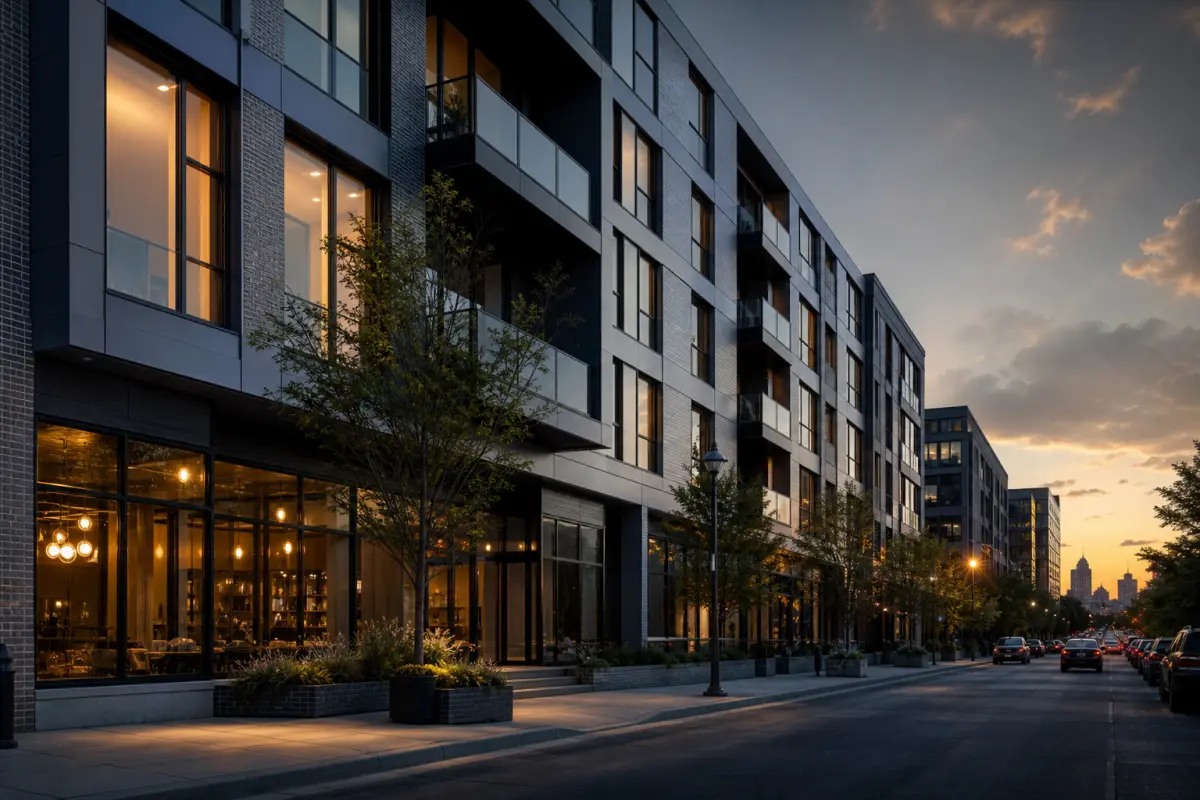
Mixed-use property financing helps investors acquire or refinance buildings that combine commercial space with residential units — often retail or office below and apartments above. Underwriting usually weighs both income streams, tenant quality, and how the building operates as one collateral package.
This article stays in business-purpose / investment territory. For a broader CRE framing, see Commercial Real Estate Loans for Investors.
Why mixed-use is different from pure multifamily
Mixed-use assets introduce:
- Different lease structures (residential month-to-month or annual vs commercial multi-year)
- Different expense recovery norms (CAM, NNN themes on the commercial side)
- Zoning and parking constraints that affect both uses
- Vacancy risk that can hit retail and residential on different cycles
Investors who model only the apartment rents and ignore commercial rollover often understate risk.
Income analysis themes capital sources often review
| Income source | What reviewers typically want |
|---|---|
| Residential units | Rent roll, leases, deposit history |
| Commercial suites | Lease abstracts, term remaining, tenant credit narrative |
| Expense recovery | How taxes/insurance/CAM are billed |
| Vacancy history | Especially street-level suites |
A simple educational DSCR check still applies at the property level:
DSCR = Net operating income (or defined income) ÷ debt service
Definitions of “income” and expense load vary — ask how a given structure calculates the ratio rather than assuming a 1–4 unit DSCR product formula.
Stabilized vs value-add mixed-use
Stabilized mixed-use usually means high occupancy, market rents, and limited deferred CapEx. Financing conversations may focus on cash flow and leverage.
Value-add may include lease-up, tenant improvements, or unit renovations. Capital sources often apply tighter overlays. This site does not pitch ground-up construction or SPEC development.
For related framing, see Fix and Hold Commercial Financing.
Practical prep for mixed-use inquiries
- Separate residential and commercial rent rolls
- Flag lease expirations in the next 12–24 months
- Document any master leases or related-party tenants
- Note shared systems (HVAC, roof, elevators) and CapEx plans
- Clarify management: one manager for the whole building vs split vendors
Zoning and land-use context from local planning departments matters; for national housing and land-use data context, the U.S. Census Bureau American Housing Survey and related datasets help investors understand stock and occupancy trends.
When mixed-use may fit — and when it may not
Often a fit for business-purpose conversations when:
- Both uses are legally permitted and insured appropriately
- Income is documented with real leases
- You have a plan for commercial vacancy
Often a poor fit for this site’s focus when:
- You need construction financing for a new build
- The “commercial” portion is speculative with no lease path
- The goal is owner-occupied primary residence financing
Have a commercial or mixed-use investment property in mind? Start with a confidential inquiry or call (907) 841-1600.
Insurance and operations realities
Mixed-use buildings can trigger more complex insurance than a simple duplex: commercial general liability themes, landlord requirements for retail tenants, and residential habitability standards in the same structure. Get quotes early. A financing conversation can stall if bindable coverage is unclear.
Operations also differ by floor. Residential turns may be frequent; commercial TI requests arrive at lease negotiation. Your management plan should say who handles each side — even if that person is you — and how after-hours issues are covered.
Lease rollover planning before you lever the asset
Map every commercial expiration for the next 24 months. A building with strong residential occupancy can still face a coverage problem if a large retail suite goes dark the same year you take on a higher payment. Reserves and leasing budgets are part of the financing story, not an afterthought.
Frequently Asked Questions
Can mixed-use buildings use DSCR-style rental products?
Sometimes the residential portion looks like a multifamily or 1–4 story, but true mixed-use with meaningful commercial square footage often lands in commercial financing conversations instead of a dedicated 1–4 DSCR product. Classification depends on unit mix and capital-source rules.
Do retail tenants make approval harder?
They can. Credit tenants with long remaining terms may support the story; short-term or vacant retail can increase scrutiny. Be ready to explain lease-up plans and reserves.
Should I renovate residential or commercial space first?
That is a strategy question. Many operators stabilize the higher-certainty income first, but CapEx sequencing depends on safety, code, and which side of the building drives valuation. Financing partners will want a coherent plan.
Is mixed-use financing available for first-time investors?
Possibly for simpler, stabilized assets — but experience overlays are common. Do not assume a first residential rental qualifies you automatically for a complex mixed-use purchase.
Is submitting a contact form a commercial loan application?
No. It is a confidential inquiry only. Any credit decision happens later through a capital provider’s process.
Have a property in mind?
Submit a confidential inquiry — business-purpose and investment property only.
Start InquiryDisclaimer: This article is for informational purposes only and does not constitute financial, lending, legal, or tax advice. Commercial & DSCR Loans is a marketing and referral information service — not a lender, broker, or financial institution. Content relates to business-purpose and investment property financing only. Disclaimer · Terms · Privacy