Non-Recourse Commercial Loans Explained
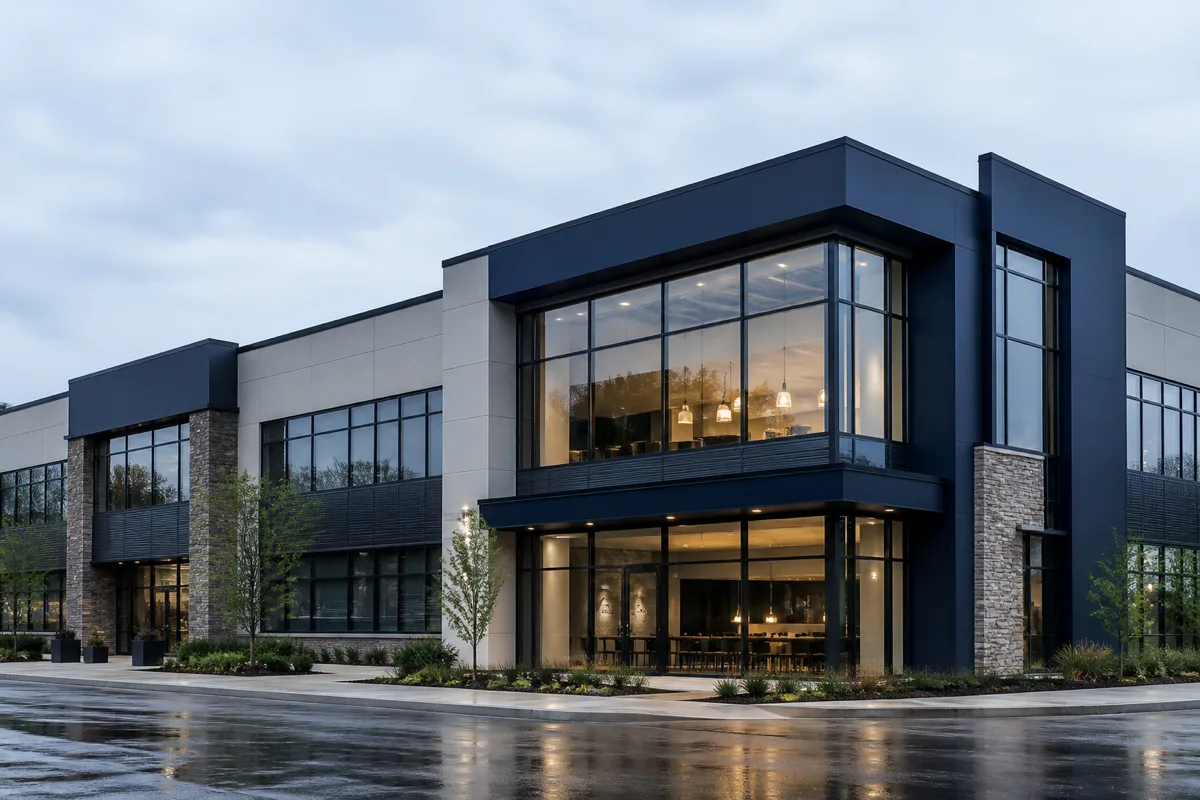
A non-recourse commercial loan limits the lender’s collection rights to the property pledged as collateral rather than the borrower’s personal assets. If the deal goes sideways, the lender’s remedy is generally to take back the property — not to chase the investor’s personal bank account, other real estate, or business assets for the shortfall.
That protection is a major reason experienced commercial investors structure larger acquisitions through an LLC with non-recourse financing rather than signing a personal guarantee on every deal. But “non-recourse” rarely means zero personal risk — nearly every non-recourse loan carries carve-outs (sometimes called “bad boy” provisions) that convert to personal liability under specific circumstances.
Recourse vs. Non-Recourse — the Core Difference
| Recourse Loan | Non-Recourse Loan | |
|---|---|---|
| Collateral | Property | Property |
| Personal guarantee | Usually full | Usually none (with carve-outs) |
| Lender’s remedy on default | Property + borrower’s other assets | Property only (absent carve-out trigger) |
| Typical use case | Smaller loans, newer investors | Larger stabilized commercial assets, experienced sponsors |
Recourse loans are common on smaller commercial deals and first-time commercial borrowers, since the lender wants a personal guarantee to offset limited operating history. Non-recourse structures become more available as loan size, property stabilization, and sponsor experience increase.
The Carve-Outs That Still Create Personal Liability
Even a “clean” non-recourse loan almost always includes standard carve-outs. Common triggers include:
- Fraud or material misrepresentation in the loan application
- Voluntary bankruptcy filing by the borrowing entity
- Waste — intentionally letting the property deteriorate
- Unauthorized transfer of ownership or additional liens without lender consent
- Misapplication of insurance or condemnation proceeds — using payout funds for something other than repairing the property
- Environmental contamination the borrower caused or knew about and didn’t disclose
These carve-outs exist so a borrower can’t intentionally sabotage the collateral or defraud the lender and still walk away clean. Read the carve-out language carefully — some loan documents draw the line at “full recourse” (the entire loan becomes personally guaranteed) if a carve-out is triggered, while others limit recourse to actual damages caused by that specific act.
Why Investors Prefer Non-Recourse Structures
- Asset protection across a portfolio. A default on one property doesn’t put a sponsor’s other holdings at risk.
- Cleaner exit planning. If market conditions force a strategic default or short sale, a non-recourse structure limits the fallout to the single asset.
- Easier to bring in investor capital. Limited partners and equity investors are often more comfortable in a deal where the sponsor isn’t personally exposed beyond their equity stake.
Where Non-Recourse Financing Typically Fits
Non-recourse programs are more common on stabilized income-producing commercial and multifamily properties with established cash flow, larger loan amounts, and experienced sponsors — think a fully leased retail center or a performing multifamily asset, rather than a ground-up construction project or a first-time investor’s small deal. Smaller or newer-investor transactions more often carry a full or partial personal guarantee.
Questions to Ask Before Signing
- What specific carve-outs are listed, and does triggering one convert the entire loan to recourse or only damages tied to that act?
- Is there a “springing” guarantee — one that only activates upon a specific event, like an unauthorized transfer?
- Does the guarantee cover environmental issues even if the borrower didn’t cause them but failed to disclose known conditions?
- How does the carve-out language define “bankruptcy” — does even an involuntary filing by a third-party creditor trigger it?
Springing Guarantees Explained
A “springing” guarantee is a specific type of carve-out that stays dormant unless a defined trigger event occurs — most commonly an unauthorized transfer of the property, an unpermitted additional lien, or a voluntary bankruptcy filing. Until that event happens, the loan behaves as fully non-recourse. Once triggered, the guarantee “springs” into effect, converting some or all of the loan to personal recourse against the guarantor.
This structure is common precisely because it lets lenders offer genuinely non-recourse terms for normal operation of the property while still protecting themselves against a narrow set of borrower actions that would otherwise undermine the loan’s security — actions largely within the borrower’s control to avoid.
Negotiating Carve-Out Language
Carve-out provisions aren’t always take-it-or-leave-it. Experienced sponsors, particularly on larger transactions, sometimes negotiate specific carve-out language — narrowing an overly broad “any misrepresentation” clause to “knowing and material misrepresentation,” for example, or capping recourse exposure to actual damages rather than the full loan balance for certain triggers. Legal counsel experienced in commercial loan documents is typically involved in this negotiation, since the specific wording materially affects real personal liability exposure.
Frequently Asked Questions
Is a non-recourse loan always better than a recourse loan?
Not necessarily. Non-recourse loans can carry higher rates, larger down payment requirements, or stricter debt yield thresholds to compensate the lender for giving up the personal guarantee. Whether it’s “better” depends on the sponsor’s risk tolerance, portfolio size, and how the specific carve-outs are written.
Can a non-recourse loan become fully recourse after closing?
Yes — if a carve-out event occurs (fraud, unauthorized transfer, voluntary bankruptcy, and similar triggers), many loan documents convert some or all of the loan to full recourse against the guarantor.
Do non-recourse loans require a personal guarantee at all?
Most still require a limited “bad boy” carve-out guarantee even though the loan itself is structured as non-recourse for payment default. A true “no guarantee whatsoever” structure is rare and typically reserved for very large, highly stabilized institutional-grade deals.
Are non-recourse loans available for smaller commercial properties?
They exist at smaller loan sizes but are less common — many capital sources reserve non-recourse structures for larger loan amounts and more established sponsors, while smaller or first-time commercial deals more often carry a full personal guarantee.
How does LLC ownership interact with a non-recourse loan?
Holding title in an LLC or other entity is standard practice alongside a non-recourse loan — it keeps the loan obligation with the entity rather than the individual, while the carve-out guarantee still typically runs to the principal(s) behind the entity.
For a plain-English legal overview of guaranty and carve-out concepts, see Cornell Law School’s Legal Information Institute on guaranty.
Have a commercial or mixed-use investment property in mind? Start with a confidential inquiry or call (907) 841-1600.
Related reading: Commercial Loan LTV Guidelines for Investors, Bridge Loan vs Permanent Commercial Financing, Commercial Loan for LLC Borrowers
Have a property in mind?
Submit a confidential inquiry — business-purpose and investment property only.
Start InquiryDisclaimer: This article is for informational purposes only and does not constitute financial, lending, legal, or tax advice. Commercial & DSCR Loans is a marketing and referral information service — not a lender, broker, or financial institution. Content relates to business-purpose and investment property financing only. Disclaimer · Terms · Privacy