Debt Service Coverage Ratio for Rentals
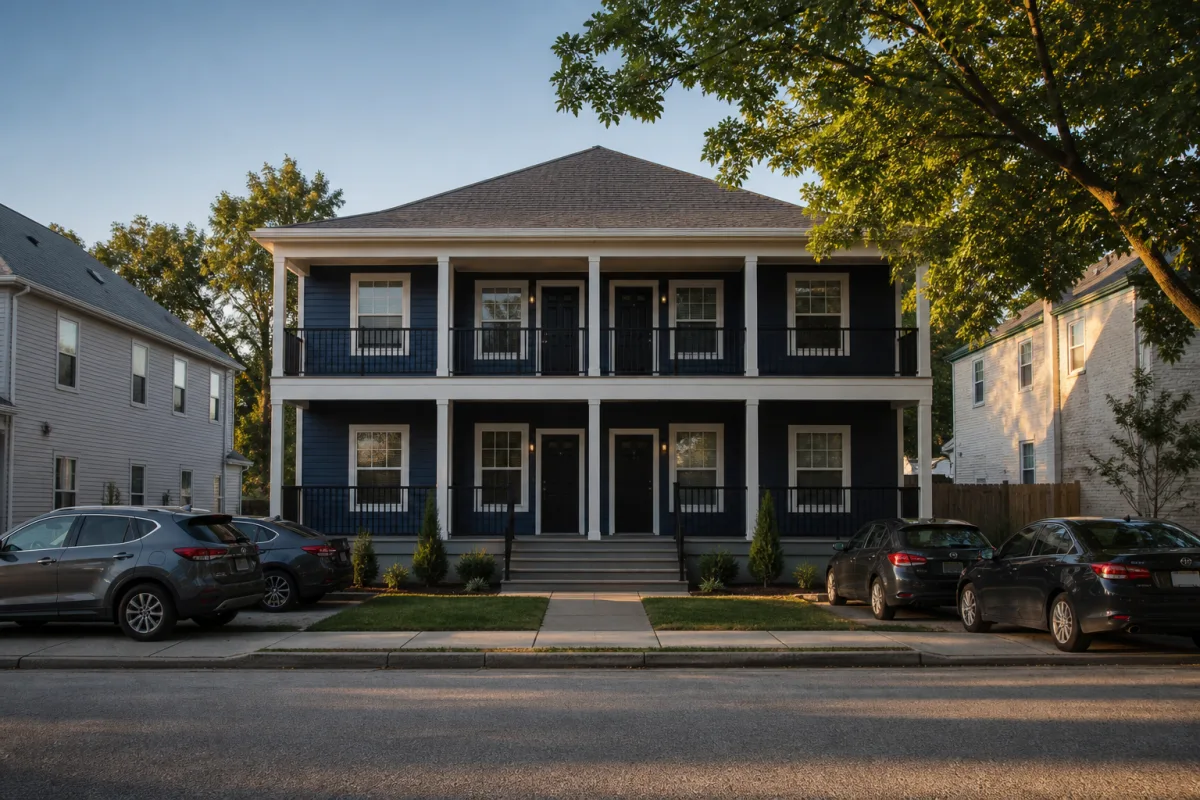
Debt service coverage ratio (DSCR) is one of the most useful numbers a landlord can run before calling anyone about financing. On a rental property, DSCR asks whether rents are likely to cover the loan payment stack — taxes, insurance, and association dues included.
This article is about using DSCR as an investor underwriting habit for business-purpose rentals. For product framing, see what is a DSCR loan. For calculator steps, see DSCR loan calculator explained.
Why landlords underwrite with DSCR
Purchase prices and “cash flow” screenshots online are easy to inflate. DSCR forces a disciplined comparison:
Income the property can reasonably produce ÷ cost of the debt you plan to put on it
If the ratio is thin, you know early — while you can still renegotiate price, raise down payment, or walk away. That habit matters whether you eventually use a DSCR product, a conventional investment loan, or cash.
The U.S. rental stock includes millions of units owned by individual investors and small operators. Understanding coverage ratios helps those operators compete with clearer underwriting. For market context, browse HUD USER rental datasets.
The landlord version of the formula
DSCR = Gross rental income ÷ PITIA (or similar debt service)
Landlords sometimes confuse DSCR with cash-on-cash return or cap rate:
| Metric | Question it answers |
|---|---|
| DSCR | Do rents cover debt service? |
| Cap rate | What NOI yield does the price imply (unlevered)? |
| Cash-on-cash | What return do I earn on cash invested after debt? |
You can have a passable DSCR and still dislike cash-on-cash after management fees and repairs. Run all three.
A practical pre-offer workflow
- Pull rent comps for each unit (or STR ADR/occupancy comps).
- Estimate PITIA with a conservative payment assumption and real tax/insurance quotes when possible.
- Compute base DSCR at full rent.
- Stress DSCR at 5–10% vacancy (higher for STR seasonality).
- Layer operating expenses outside the ratio: maintenance, turnover, property management, utilities you pay.
- Decide if the deal still meets your personal minimums.
Only then is it worth a financing inquiry. Requirements prep: DSCR loan requirements.
Example: single-family rental
- Market rent: $2,200
- Estimated PITIA: $1,850
- Base DSCR: 2,200 ÷ 1,850 ≈ 1.19x
- At 8% vacancy income ($2,024): DSCR ≈ 1.09x
A landlord who needs 1.20x stressed coverage would pass or renegotiate — even if the listing’s marketing flyer shows “positive cash flow.”
Example: small portfolio thinking
When you already hold rentals, underwrite the new property on its own DSCR, then check portfolio liquidity. Capital sources may look at reserves across financed properties. A great new deal that empties your reserves can still be a weak file.
Long-term leases vs. short-term income
Long-term rentals usually underwrite from leases or market rents. Short-term rentals underwrite from performance evidence and seasonality. Same ratio, different income quality. See short term rental DSCR loan.
Common landlord mistakes
- Using best-month STR revenue as if it were every month
- Ignoring insurance resets after acquisition
- Assuming tenant-paid utilities when the lease says otherwise
- Underwriting rehab fantasies without a capital plan (this site does not pitch construction financing)
- Skipping flood zones and HOA special assessments
How DSCR connects to financing conversations
When you inquire about business-purpose DSCR financing, you are essentially bringing a story the ratio already supports: rents, property type, occupancy as investment, and a realistic payment stack. Strong homework shortens back-and-forth later.
If personal W-2 income is high and a conventional investment loan fits better, compare paths in DSCR loan vs conventional investment loan.
Using DSCR after you own the property
DSCR is not only for purchases. Before a rate-and-term or cash-out refinance, re-run the ratio at the new payment. Equity alone is not enough if the new debt service breaks coverage. Related reads: DSCR refinance investment property and cash out refinance DSCR loan.
Ready to discuss business-purpose financing options for an investment property? Call (907) 841-1600 or use the contact form.
Frequently Asked Questions
What is a healthy debt service coverage ratio for a rental?
Many investors personally target above 1.0x with a cushion after vacancy stress. Financing partners set their own minimums. Your personal minimum can be stricter than a product minimum.
Is DSCR calculated before or after property management fees?
The classic DSCR used in many loan conversations uses gross rents versus debt service, not full NOI. Management fees still matter for true cash flow — track them separately.
Can I use scheduled rent if a unit is vacant?
For underwriting habits, use market rent comps and note vacancy. Financing reviews may substitute appraisal market rents for vacant units.
Does a higher DSCR always mean a better investment?
Not always. A high DSCR on a tiny loan amount may still produce weak cash-on-cash returns, or sit in a market with poor appreciation or heavy capex needs. Use multiple metrics.
Should I calculate DSCR before contacting a financing partner?
Yes. Running the ratio first helps you avoid chasing properties that cannot support debt service under reasonable assumptions. Bring your worksheet to an inquiry — it speeds a clearer conversation.
Have a property in mind?
Submit a confidential inquiry — business-purpose and investment property only.
Start InquiryDisclaimer: This article is for informational purposes only and does not constitute financial, lending, legal, or tax advice. Commercial & DSCR Loans is a marketing and referral information service — not a lender, broker, or financial institution. Content relates to business-purpose and investment property financing only. Disclaimer · Terms · Privacy