DSCR Loan Closing Costs Explained
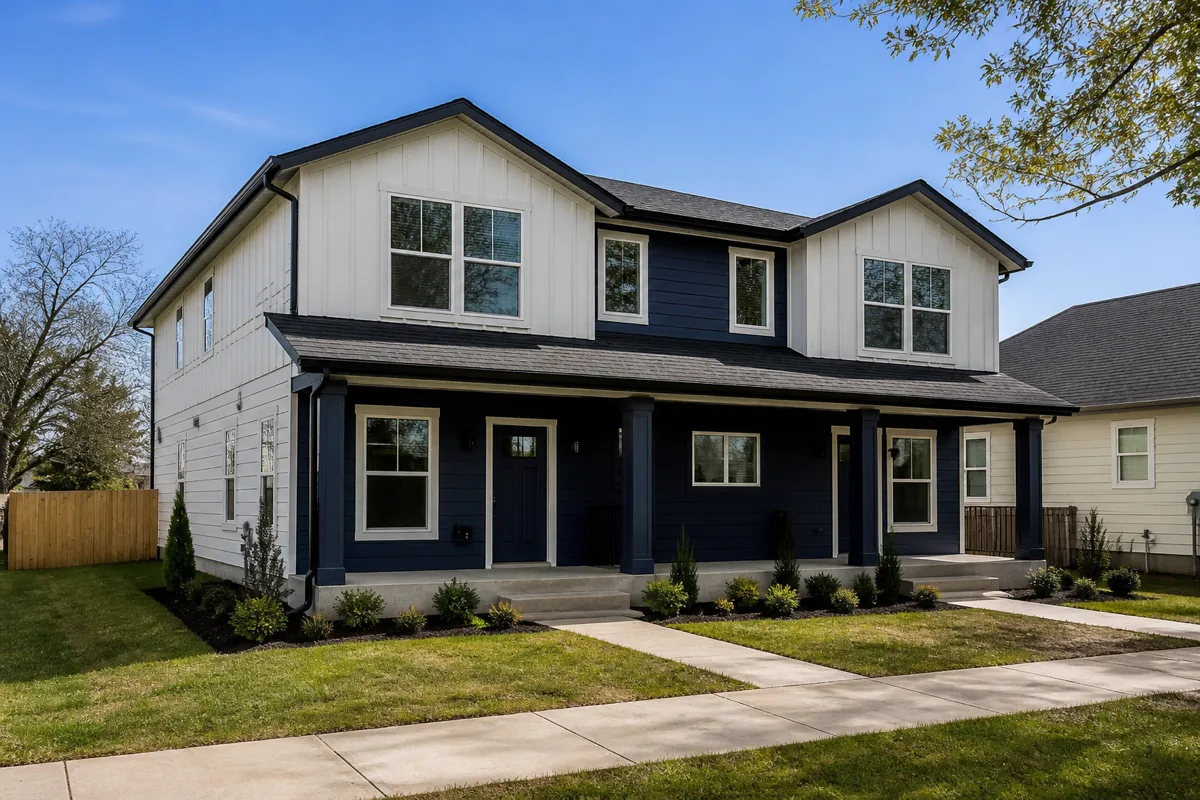
DSCR loan closing costs cover more than the down payment alone — investors budgeting for a rental property purchase or refinance need to account for lender fees, third-party reports, title work, and prepaid reserves that add up separately from the loan’s principal.
Standard Closing Cost Categories
Origination and Underwriting Fees
Charged by the capital source for processing and funding the loan, commonly expressed as a percentage of the loan amount. These fees can vary meaningfully between capital sources, making it worth comparing full estimates rather than rate alone.
Appraisal with Rental Schedule
DSCR loans require an appraisal that includes a rent schedule (Fannie Mae Form 1007 or equivalent), establishing the market rent figure used in the DSCR calculation. This costs somewhat more than a standard residential appraisal because of the added rental analysis.
Credit Report and Verification Fees
Smaller administrative costs covering the credit pull and any verification of assets or entity documentation.
Title Insurance and Escrow/Closing Fees
Lender’s title insurance protects the capital source’s lien position; owner’s title insurance (optional but common) protects the buyer’s ownership interest. Escrow or closing agent fees cover the transaction’s administrative handling.
Recording Fees and Transfer Taxes
Government fees for recording the deed and mortgage, plus any state or local transfer taxes triggered by the sale — these vary significantly by state and county.
Prepaid Items
Property tax and insurance premium amounts collected upfront to fund the escrow account, prorated based on the closing date.
DSCR-Specific Cost Considerations
Reserve Requirements
Beyond one-time closing costs, most DSCR loans require post-closing reserves — liquid funds equal to several months of full PITIA payments, held in the borrower’s accounts (not paid to anyone at closing, but verified as available). Reserve requirements often scale with property type, with short-term rentals or higher-risk property types sometimes requiring more months of reserves than a standard long-term rental.
Points for Rate Buydowns
Some DSCR programs offer the option to pay discount points at closing to secure a lower interest rate — a tradeoff between higher upfront cost and lower monthly payment, worth running the breakeven math on relative to how long the investor plans to hold the loan.
Entity Formation Costs (If Applicable)
Investors closing in an LLC who haven’t yet formed the entity need to budget separately for state filing fees, registered agent service, and an EIN application — typically a modest cost but one that needs lead time before closing.
Rough Budgeting Range
While exact totals vary by loan size, state, and capital source, DSCR closing costs (excluding down payment and reserves) commonly land somewhere in the range of two to five percent of the loan amount — always request a specific loan estimate for the actual property and loan amount rather than relying on a general rule of thumb.
Comparing Estimates Across Capital Sources
When comparing loan estimates from different sources, look at the full cost picture rather than rate alone:
- Interest rate — the ongoing cost of the loan
- Origination fee/points — the upfront cost to originate
- Third-party fees (appraisal, title, credit) — these vary less between sources but still add up
- Reserve requirements — a stricter reserve requirement ties up more of the investor’s cash even if it isn’t a “cost” in the traditional sense
A Sample Closing Cost Breakdown
For illustration only — actual figures vary widely by loan size, state, and capital source — a $300,000 DSCR purchase loan might see costs roughly distributed like this:
| Item | Approximate Range |
|---|---|
| Origination fee (1-2 points) | $3,000–$6,000 |
| Appraisal with rent schedule | $500–$800 |
| Title insurance and escrow fees | $1,500–$3,000 |
| Credit report and underwriting fees | $500–$900 |
| Recording fees and transfer tax | Varies significantly by state/county |
| Prepaid taxes and insurance | Varies by proration date and local rates |
These figures are directional only. Always request an actual loan estimate for the specific property, loan amount, and location before budgeting a real transaction.
Timing Costs Around the Closing Date
The closing date itself affects how much cash is due at the table — prepaid property tax and insurance amounts are prorated based on when in the tax and policy year the closing lands. Closing near the start of a tax cycle can mean funding a larger upfront escrow deposit than closing later in the cycle, which is worth factoring into cash-on-hand planning alongside the down payment and reserve requirements.
Frequently Asked Questions
Can DSCR loan closing costs be financed into the loan?
Some capital sources allow certain costs to be rolled into the loan amount, subject to loan-to-value limits. Confirm which specific costs (if any) can be financed versus which must be paid out of pocket at closing.
Do I need cash reserves in addition to closing costs and the down payment?
Yes — reserves are a separate requirement from closing costs. They represent funds that must remain available after closing (typically several months of PITIA), not funds paid out at the closing table.
Are DSCR loan closing costs higher than a conventional mortgage’s?
They’re often broadly similar for standard costs (title, recording, appraisal), though the specific rent-schedule appraisal requirement and reserve verification add DSCR-specific steps that a conventional owner-occupied purchase doesn’t require.
Does the property type affect closing costs?
Property type can affect appraisal complexity (a small multifamily property may cost more to appraise than a single-family home) and reserve requirements (short-term rentals or unique property types sometimes carry higher reserve minimums).
Can I negotiate the origination fee?
Origination fees are often negotiable, particularly on larger loan amounts or when an investor has multiple deals with the same capital source. It’s worth asking directly rather than assuming the initial quote is fixed.
For a general breakdown of standard mortgage closing costs and disclosures, see the Consumer Financial Protection Bureau’s Closing Disclosure explainer.
Exploring DSCR financing for an investment rental? Submit a confidential inquiry or call (907) 841-1600.
Related reading: DSCR Loan Requirements Explained, DSCR Loan Reserves Requirements, DSCR Loan Down Payment Guide
Have a property in mind?
Submit a confidential inquiry — business-purpose and investment property only.
Start InquiryDisclaimer: This article is for informational purposes only and does not constitute financial, lending, legal, or tax advice. Commercial & DSCR Loans is a marketing and referral information service — not a lender, broker, or financial institution. Content relates to business-purpose and investment property financing only. Disclaimer · Terms · Privacy