Non Owner Occupied Rental Property Loan
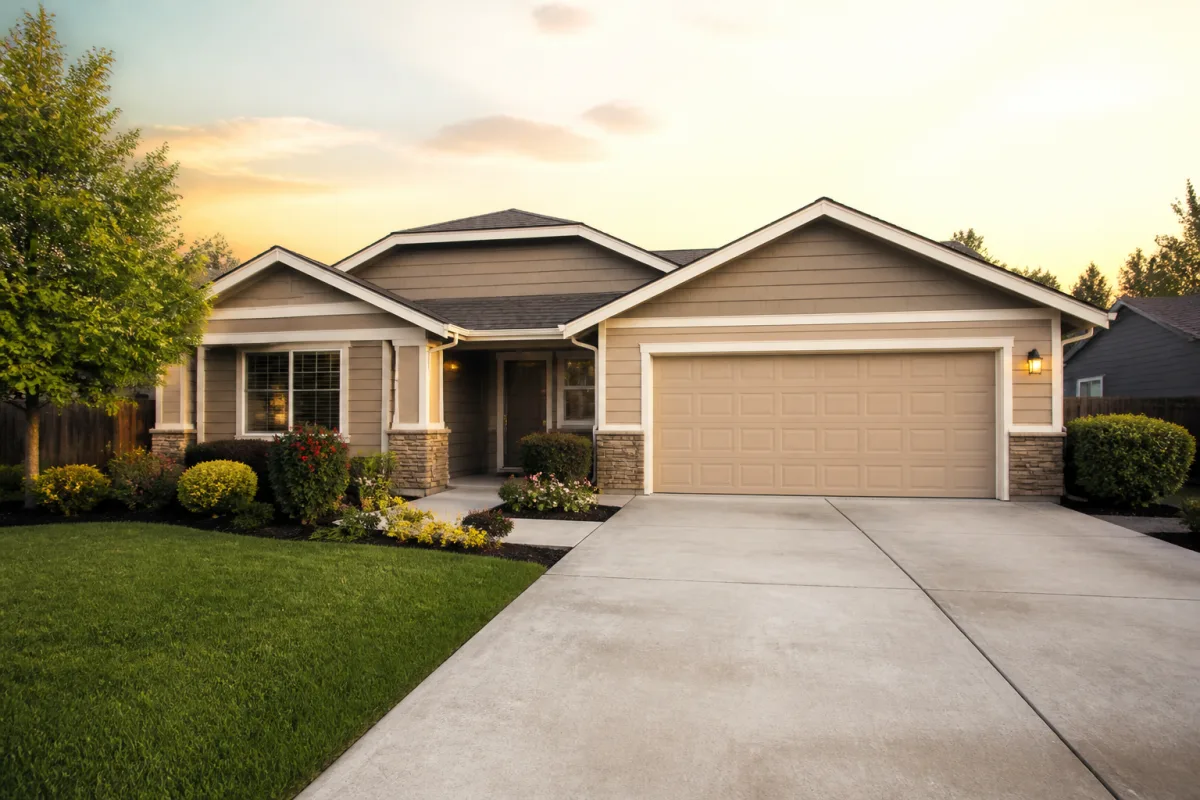
A non owner occupied rental property loan is financing for a property you do not use as your primary residence. The borrower is an investor; the asset is held for rent or investment strategy under business-purpose rules.
That occupancy distinction is the entire point of this article—and of this website’s educational lane.
Owner-occupied vs non-owner-occupied (plain English)
| Primary residence mortgage | Non-owner-occupied investment loan | |
|---|---|---|
| Where you live | In the property | Somewhere else |
| Typical underwriting focus | Personal income / occupancy programs | Property cash flow, investment guidelines |
| Intent | Shelter | Business-purpose investment |
Blurring the line—claiming you will occupy a property you plan to rent—is a serious misrepresentation risk. Keep your story accurate.
Why investors use investment / DSCR-style paths
Many investors prefer products that evaluate whether rents can support the payment. That is the core idea behind DSCR loans:
DSCR = rental income ÷ debt service
Educational thresholds often discussed for investment rentals start near 1.0 and rise with credit, LTV, and property type overlays. Exact cuts vary by capital source and are never guaranteed on a website.
Conventional investment loans still exist; they may lean more on personal income documentation. See strategy comparisons elsewhere in the resource library as articles publish.
Property types that fit non-owner-occupied framing
- Single-family rentals
- Duplex / triplex / fourplex investments
- Certain STR properties used purely for rental income
- Small multifamily when experience and product fit
Commercial assets (retail, office, warehouse) are also typically non-owner-occupied when held as investments—but they often use commercial business-purpose structures rather than residential DSCR products.
What underwriting usually asks
- Will anyone on the loan occupy the property as a primary home?
- What are in-place or market rents?
- What reserves / liquidity can you document?
- How is title vested (individual vs LLC)?
- What is your experience with rentals?
HUD’s public materials on housing and rental markets can help you understand broader occupancy and rental housing context (HUD). Your specific property file still controls outcomes.
Entity vesting note
Many investors hold non-owner-occupied rentals in an LLC. Vesting can affect which financing paths are available and what documents you need. For a deeper dive, see entity vesting LLC investment property loan.
Common mistakes
- Mixing “second home” language with full-time rental intent
- Ignoring HOA rental restrictions
- Underestimating insurance for investor policies
- Assuming personal W-2 strength replaces weak property cash flow on DSCR-style products (sometimes it helps elsewhere; product rules differ)
Second homes vs investment rentals
“Second home” and “investment rental” are not interchangeable labels. A second home implies personal use patterns; a non-owner-occupied rental implies tenant income as the economic engine. Using the wrong label to chase a friendlier product is how files get messy. If the plan is tenants and rent, keep the inquiry in investment / business-purpose language from the first sentence.
How occupancy affects insurance and operations
Investor policies, vacant-home endorsements, and STR host policies differ from owner-occupied homeowners insurance. Before financing talks get far, confirm:
- The property will be insured as an investment/rental risk
- Short-term use is disclosed if applicable
- Liability limits match your risk tolerance
Occupancy is not only a loan-box checkbox—it changes the cost structure that sits under DSCR. A payment that looked fine with owner-occupied premium assumptions can tighten after a true landlord quote.
Frequently Asked Questions
Can I live in one unit and rent the others?
That is a different occupancy story (often owner-occupied multi-unit residential). This site focuses on investment / business-purpose financing where you do not treat the property as your primary residence product lane. Describe occupancy truthfully in any inquiry.
Is a non-owner-occupied loan the same as a DSCR loan?
Not always. “Non-owner-occupied” describes occupancy. “DSCR” describes a cash-flow qualification approach/product category. Many investment rentals are both; some investment loans use other underwriting methods.
Do investment loans need larger down payments?
Often educational LTV ranges imply more equity than owner-occupied residential loans. Exact down payment depends on the file. No website percentage is a commitment.
Can short-term rentals be non-owner-occupied?
Yes—when you do not live there as a primary residence and the asset is operated as an investment. See short-term rental property types financing.
Is a contact form submission an application?
No. It is an information request only—not a credit decision.
Ready to discuss business-purpose financing options for an investment property? Call (907) 841-1600 or use the contact form.
Have a property in mind?
Submit a confidential inquiry — business-purpose and investment property only.
Start InquiryDisclaimer: This article is for informational purposes only and does not constitute financial, lending, legal, or tax advice. Commercial & DSCR Loans is a marketing and referral information service — not a lender, broker, or financial institution. Content relates to business-purpose and investment property financing only. Disclaimer · Terms · Privacy