Single Tenant vs Multi-Tenant Commercial Loan
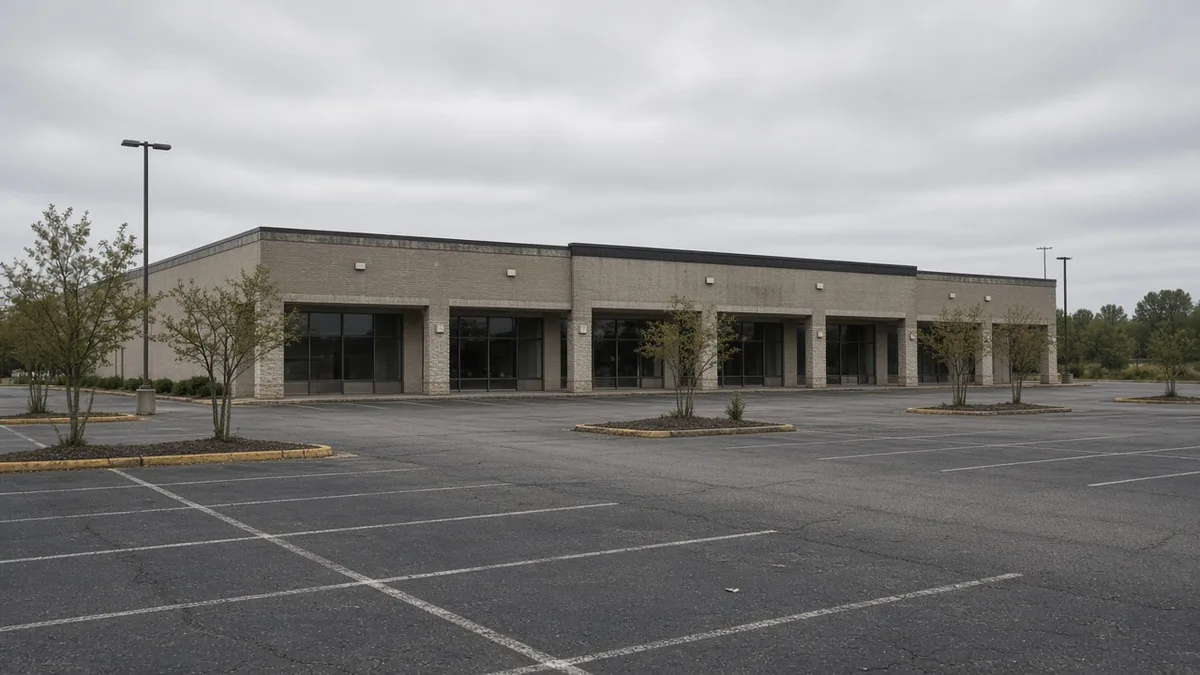
Single tenant vs multi-tenant commercial loan underwriting is the difference between one lease that can go dark and several leases that expire on a schedule. A single-tenant building puts the payment on one tenant’s credit and one remaining term. A multi-tenant building spreads that exposure and then charges you, in proceeds or in reserves, for the slice of rent that rolls during the loan. Concentration and rollover are both real. A diversified rent roll is not automatically the safer loan, and a famous tenant is not automatically a long loan.
The property in this article is leased to occupants as an investment. The income is rent. Illustrations are not a rate quote and not an offer of credit. An inquiry is not an approval.
How a single tenant vs multi-tenant commercial loan is sized
Start from net operating income, then ask what has to happen for that income to still exist when the payment is due. How to calculate NOI is the income half. Commercial DSCR is income divided by debt service. The lease pattern changes the income you are allowed to treat as durable.
One tenant. Rent is 100 percent of the story. The file reads the lease: remaining term, renewal options the tenant actually holds, rent bumps, termination rights, and whether the tenant or the landlord pays taxes, insurance, and repairs. A net lease pushes more of those costs to the tenant. It does not remove the tenant. Net lease financing and credit-tenant lease financing are the long-lease versions of this concentration. Credit quality can support treating the rent as reliable. The loan still needs a plan for the day the lease ends inside the term, or just after it. That plan may be a lower loan amount, a shorter maturity, or a dark-value test that asks what the building is worth with the lights off.
Several tenants. No single lease is the whole payment, which is the appeal. The cost shows up on a rollover schedule. Each expiration can mean downtime, free rent, tenant improvements, and a leasing commission. A building at 95 percent occupied can still have 40 percent of its rent expiring within two years. Occupancy is a snapshot. Rollover is a calendar. Weighted average lease term compresses that calendar into one number, and it can hide a near-term cliff if you only quote the average.
Proceeds tend to move through a few dials, and files mix them differently.
- In-place rent, with a vacancy and credit-loss factor that grows when expirations are soon or tenant credit is thin.
- A reserve for tenant improvements and commissions on the expiring slice.
- A maturity that ends before the dangerous expiration, or a term that accepts the expiration and cuts the loan amount instead.
- A loan-to-value cap and a coverage cap. The lease pattern decides which cap you hit first.
The Federal Reserve’s Z.1 table of commercial mortgages lists depository institutions, life insurance companies, and asset-backed issuers as separate holders. A one-tenant building and a six-tenant building can sit in any of those books. The table does not record which lease pattern a loan used. You still read the rent roll.
Retail is where investors see both patterns on the same street. A retail investment property might be one net-lease store or a strip with eight bays. The address looks similar from the curb. The loan does not.
Two illustrations with the same income
Figures only, so the structure is visible.
Single tenant. Triple-net rent $240,000. A structural reserve the landlord still pays, $12,000. NOI $228,000. Debt service $160,000. Coverage is $228,000 ÷ $160,000 = 1.43. The tenant’s lease ends in year four of a proposed ten-year loan. The 1.43 describes the years the lease is alive. Year five is a re-leasing assumption: months dark, a new rent that may be lower, and cash for the build-out. A file that underwrites only the 1.43 has ignored the term. A file that cuts proceeds until a dark period still covers, or until the maturity lands before the expiration, has priced the concentration.
Multi-tenant. Same NOI, $228,000, from six tenants. The largest is 22 percent of rent. Thirty percent of rent expires within eighteen months. A reviewer applies a 10 percent vacancy haircut for that wave and a small structural reserve already inside the NOI, and underwrites about $205,000 of durable income. At the same 1.43 coverage target used above, debt service capacity falls from $160,000 to about $205,000 ÷ 1.43 = $143,000. Lower allowed payment, lower proceeds, at the same rate and amortization. The building was “diversified,” and the loan got smaller because the calendar was front-loaded.
Flip the multi-tenant facts. Same six tenants, and only 8 percent of rent expires inside three years. The haircut shrinks. Proceeds can rise even though no tenant is a household name. Rollover risk is the schedule, not the headcount.
Neither illustration is a quote. A different capital source will use a different haircut, or will move the loan term instead of the vacancy factor. Ask which dial they turned. “We liked the tenancy” is not a dial.
What people mix up
Credit and term. A strong tenant with three years left is a good tenant and a short lease. A weak tenant with twelve years left is a long lease and a credit problem. You can have both problems or neither. The single-tenant file should say the credit conclusion and the remaining term out loud, as separate sentences.
Options and term. A renewal option the tenant may exercise is often left out of remaining term until it is exercised. Counting the option because you expect them to stay is a business plan. It is not in-place lease term. If the proceeds only work with the option included, you are financing a hope.
Gross leases and net leases. On a gross lease the landlord’s expenses are inside NOI, so expense inflation is the landlord’s risk while the rent is flat. On a net lease the tenant bears more of those expenses, and NOI tracks base rent more closely, until the tenant leaves and the landlord is suddenly paying the tax bill on an empty building. Net does not mean passive after vacancy. It means the expense load returns to you at the worst time.
Percent of rent and percent of area. A tenant can be 15 percent of the square footage and 30 percent of the rent, or the reverse, if rents per foot differ. Concentration for the loan is a rent question. A site plan that looks balanced can still have one lease carrying the payment.
A two-tenant building. This is both risks at once. Losing one tenant can remove half the income, and you still have rollover on the other. Do not file it mentally as “multi-tenant, so diversified.” Run the larger tenant as a concentration case and the expirations as a rollover case. If either one breaks the payment, the structure is single-tenant risk wearing two names.
How to prepare the rent roll for a real review
Bring a roll that a stranger can underwrite without calling you.
- Tenant name, suite, area, rent, rent per foot, start date, expiration, and options.
- Who pays taxes, insurance, utilities, and interior repairs.
- Deposits held, and any months of free rent still outstanding.
- A trailing twelve of collections, so contract rent and cash rent can be compared.
- The year-by-year expiration totals in dollars, not only a weighted average.
Then write one paragraph on the single largest expiration inside the loan term you want: what the space is, what it would cost to re-lease, and what rent you would believe if you had to. That paragraph is the difference between a story and a proceeds conversation. Single tenant vs multi-tenant commercial loan files are both answered there. One tenant makes the paragraph about a binary event. Several tenants make it about a schedule. The loan amount follows the answer you can support, not the label on the building.
Have a commercial or mixed-use investment property in mind? Start with a confidential inquiry or call (907) 841-1600.
Frequently Asked Questions
Is a single-tenant building always the riskier loan?
It is the more concentrated loan, because one departure can take all of the rent. A long lease and a tenant who can pay may still support proceeds that a messy multi-tenant roll will not. Risk here is the chance the income stops, not the number of logos on the door. Read term and credit separately before you rank the two buildings.
What is rollover risk on a multi-tenant loan?
Rollover risk is the chance that expiring leases are renewed or replaced only after downtime, free rent, and cash spent on the space. A full building can carry a heavy rollover if many leases end together. Lenders often answer with a vacancy haircut, a leasing reserve, a shorter term, or a smaller loan. The schedule is the risk, and the haircut is one way it becomes proceeds.
Does a strong tenant remove the need for a term test?
Credit supports the rent while the lease exists. It does not extend the lease. If the expiration falls inside the loan, the file still needs a maturity, a re-leasing assumption, or a lower loan amount that survives a dark period. A tenant you admire and a lease that ends are allowed to be true at the same time.
How is vacancy applied when the building is full?
Often as an underwriting assumption, not as empty suites you can see today. The factor stands in for the expirations, the credit loss, and the months a space may sit. A full building with a near-term wave of expirations can be underwritten with more vacancy than a full building whose leases run past the maturity. Ask which expirations the factor is meant to cover.
Can one loan look both single-tenant and multi-tenant?
Yes. Two or three tenants, or one tenant paying most of the rent beside several small ones, carries concentration and rollover together. Underwrite the largest lease as if its departure were the stress case, and underwrite the expiration calendar for the rest. The harsher result is the one that should size the proceeds.
Have a property in mind?
Submit a confidential inquiry — business-purpose and investment property only.
Start InquiryDisclaimer: This article is for informational purposes only and does not constitute financial, lending, legal, or tax advice. Commercial & DSCR Loans is a marketing and referral information service — not a lender, broker, or financial institution. Content relates to business-purpose and investment property financing only. Disclaimer · Terms · Privacy