DSCR Loan for Build-to-Rent Portfolio Assets
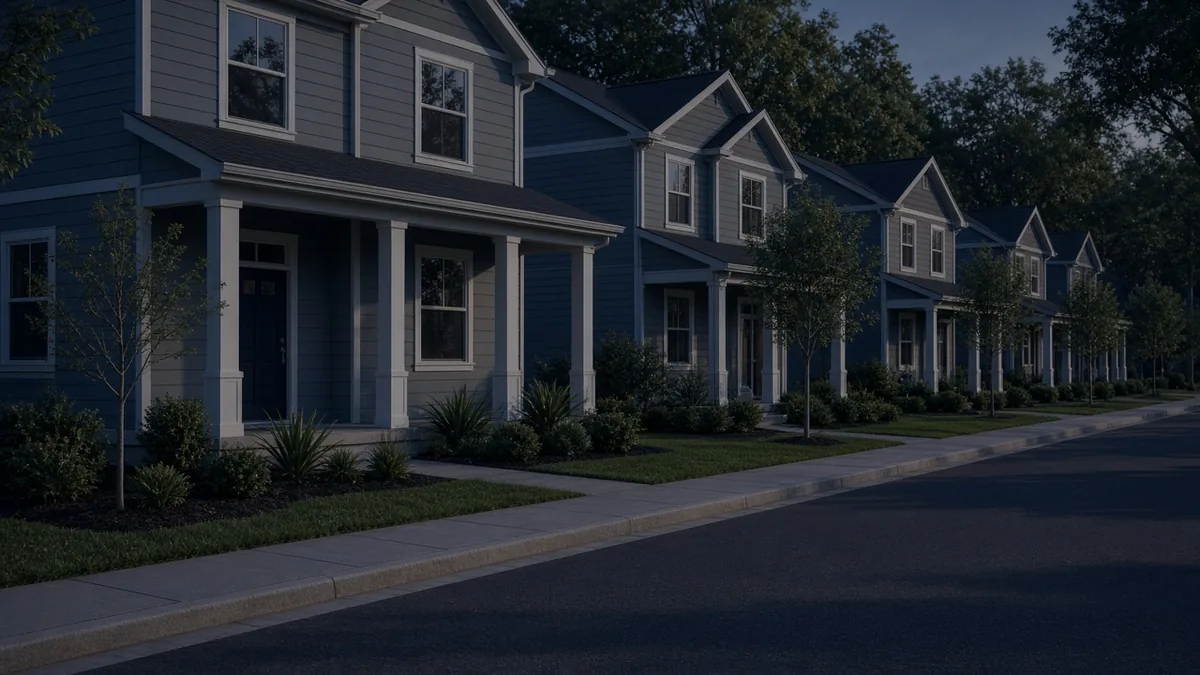
A DSCR loan for build-to-rent portfolio assets is a take-out on homes that are already built, leased, and operating as a community. The file looks like a portfolio of single-family rentals that happen to share a site plan, a property manager, and a rent roll—not like a one-off house you bought on the MLS, and not like a construction loan to finish vertical work. If the streets are still dirt and the certificates of occupancy are still a wish, you are in the wrong article. This site does not pitch construction financing. Stabilized BTR is the product conversation.
The Census Bureau’s housing and construction releases track single-family units started and completed, including the growing share of homes built for the rental market rather than for a first occupant who will own. That public series is useful context. It is not a DSCR guideline. Underwriting still wants leases, a rent roll, and PITIA coverage on the homes that exist today.
When a DSCR Loan for Build-to-Rent Portfolio Fits
BTR, once stabilized, is a factory of similar 1-unit rentals. That is an advantage and a concentration risk.
Advantage. Comps, unit mix, and management are consistent. A reviewer can read one rent roll instead of twenty unrelated leases from twenty neighborhoods. Insurance, HOA (if any), and vendor contracts can be community-wide.
Concentration. The same roof spec, the same tenant profile, and the same local employer base can move together. A portfolio DSCR shop will ask how many of the notes sit in one community, one metro, and one management company. Portfolio DSCR loans is the overlay explainer for multi-property exposure. BTR is that overlay with a site plan attached.
Contrast a one-off DSCR loan for a single-family rental. That file stands or falls on one house’s rent and one house’s appraisal. A BTR take-out stands or falls on a set of houses: occupancy, concession drag, and whether the community is still absorbing or already at a durable occupancy.
Stabilized Community Versus a One-Off SFR File
Stabilized, for this conversation, means:
- Certificates of occupancy are in hand for the homes you want to finance.
- Homes are intended as long-term rentals, not a remaining developer’s unsold inventory story.
- Occupancy is high enough that the rent roll is mostly in-place leases, not a pro forma of “we will lease the rest.”
- Property taxes are assessed as completed homes, not as unfinished lots.
- Insurance is a landlord program on existing dwellings.
A one-off SFR DSCR loan can sometimes use market rent on a vacant house. A BTR community with a block of empty new homes is a lease-up story. Lease-up is not the same as stabilization. Many DSCR programs will haircut vacant units, exclude them, or refuse the file until occupancy clears a stated level. Do not bring a 60%-occupied community and call it a portfolio refinance.
The ratio is still the ratio, applied either property-by-property or to the pledged pool:
DSCR = Qualifying monthly rent ÷ monthly PITIA
On a cross-collateralized BTR pool, reviewers often look at:
- Per-home DSCR (does any dog unit fail and need to be dropped?).
- Pool DSCR (does the community cover the note as a whole?).
- Occupancy and concession quality (is “rent” a starting rate with two months free?).
How DSCR loans work is the process map. BTR adds a community exhibit: site map, unit mix, and a manager resume.
Rent Roll, Homogeneity, and Form 1007 Reality
DSCR loan rent roll requirements apply, with BTR-specific columns:
- Address / lot, beds, baths, and square footage.
- Lease start, end, and in-place rent.
- Concessions still being amortized.
- Occupied vs vacant vs employee/model unit.
- Who pays utilities and whether an HOA or community fee sits on top of PITIA.
Appraisals on a community of similar homes can be efficient—and they can also be lazy. A stack of 1004s that copy-paste the same three comps without a rent schedule (1007) will not support DSCR income. On a larger pool, some programs use a sample of interior appraisals plus desktop or exterior reports on the rest, or a portfolio valuation product. Ask the valuation scope before you assume one appraisal covers forty addresses.
HOA or community dues belong in PITIA when they are mandatory. A community fee that looks small per home is not small when it is multiplied across the pool.
Long-term leases are the default BTR story. Long-term rental DSCR loan is the income-evidence piece. If the community is being marketed as mid-term or corporate stays, that is a different documentation stack.
What This Article Is Not
- Not a construction loan. Vertical risk, interest reserve, and draw inspections are out of scope here and are not a product this resource pitches.
- Not a land or lot loan. Finished homes only.
- Not a one-off house-hack. Occupancy is investment. No owner-occupant unit in the community as the qualifying story.
- Not a promise that every BTR brand or homebuilder take-out fits 1–4 DSCR. Some communities are legally one tax parcel with many units, or they trip HOA/condo warrantability, or they are large enough that the conversation becomes commercial. Structure the vesting and the legal description before you pick a product box. DSCR loan for LLC vesting and entity vesting cover the entity side.
If the “community” is actually a 5–8 unit building, you have left SFR BTR and entered small multifamily. That is a different file.
Reserves, Cross-Collateral, and How Many Homes
Larger BTR pools run into the same walls as any growing DSCR book: reserve stacking, exposure caps, and the point at which a single-property product is the wrong wrapper. How many DSCR loans can you have and DSCR loan reserves requirements are the two pages to read before you pledge thirty similar homes.
Cross-collateral can raise proceeds and simplify one closing. It also means one default theory across the community. A single-property DSCR note on each home is slower and can be cleaner if you plan to sell homes off one at a time. Pick the structure to match the hold, not the term-sheet headline.
What to Send
- Rent roll and leases for every home you want in the pool.
- Occupancy and concession summary for the community.
- Certificates of occupancy (or a table with dates and permit numbers—without turning this into a construction narrative).
- Insurance and tax bills as completed dwellings.
- Management agreement and a trailing deposit record.
- Map of the community and a list of homes excluded (models, offices, unsold builder units).
Exploring a DSCR loan for a build-to-rent portfolio that is already leased? Submit a confidential inquiry or call (907) 841-1600.
Frequently Asked Questions
Can I use a DSCR loan for build-to-rent portfolio financing while homes are still being finished?
Not under the stabilized path this article describes. DSCR take-out wants completed, financeable dwellings with rent evidence. Construction and remaining vertical work are a different product family and are not pitched here.
How is a BTR community different from buying one rental house?
A one-off SFR file is one address, one appraisal, one lease. A BTR community is many similar addresses, usually one manager, and a rent roll that has to show the community is actually leased. Concentration and occupancy matter more than they do on a single house.
Do vacant new homes in the community count at full market rent?
Often not. Vacant units may be haircut, excluded, or held out until leased. A block of empty homes reads as lease-up, not as a stabilized portfolio.
Should the whole community go on one loan?
Cross-collateralized pool financing can fit a long hold with one manager. Separate notes fit a plan to sell or refinance homes individually. The right structure follows the exit, not the brochure.
Is BTR underwritten like a short-term rental cluster?
Usually no. Stabilized BTR is a long-term residential rent roll. STR documentation is a different evidence stack and a different overlay conversation.
Have a property in mind?
Submit a confidential inquiry — business-purpose and investment property only.
Start InquiryDisclaimer: This article is for informational purposes only and does not constitute financial, lending, legal, or tax advice. Commercial & DSCR Loans is a marketing and referral information service — not a lender, broker, or financial institution. Content relates to business-purpose and investment property financing only. Disclaimer · Terms · Privacy