DSCR Loans and HOA Rental Restrictions
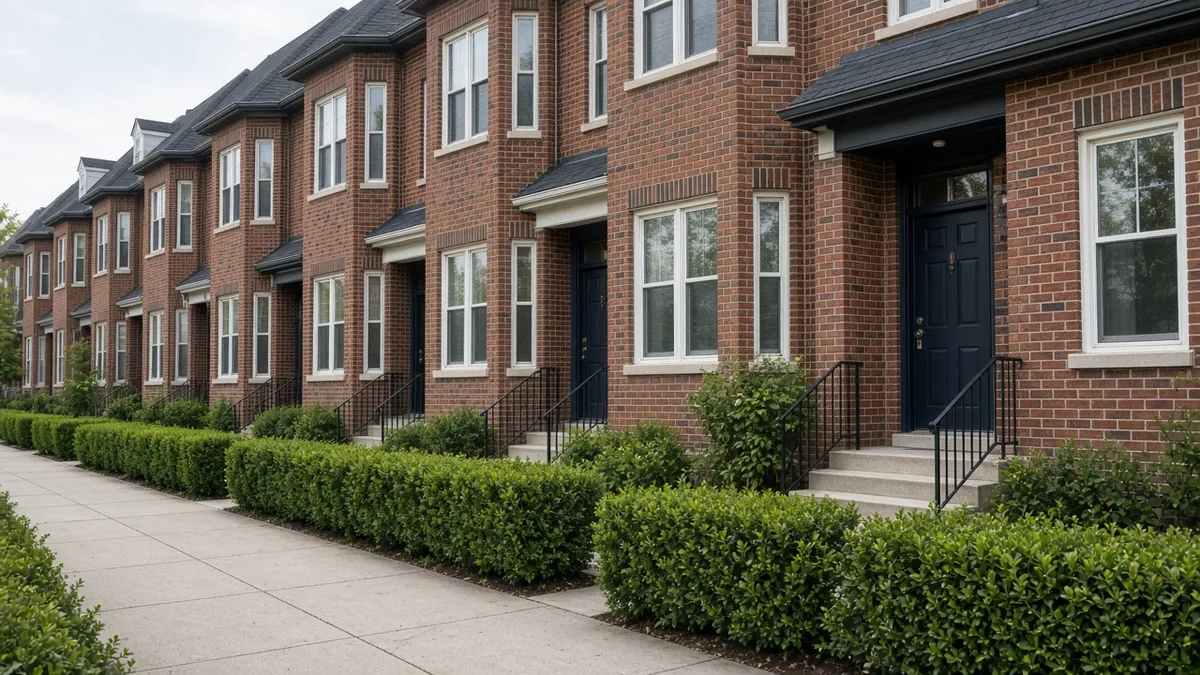
A DSCR loan for a property in an HOA with rental restrictions is business-purpose financing for an investment rental that still has to be leasable under the association documents. The ratio uses rent the file will accept and the debt service on the proposed loan. Association dues often sit in that picture. None of that amends the declaration. A lender does not override the HOA. If the recorded rules forbid the rental the product needs, a financing review does not make the rental lawful. An inquiry is not an application or an approval, and this page does not set a minimum ratio or a rate.
Read the declaration, the bylaws, and the rules before you put a rent on the application. A rental cap, a minimum lease term, a ban on short stays, a waiting list, or a requirement that the owner live in the unit for a period before leasing are use restrictions. They bind you whether or not a capital provider liked the cash flow.
DSCR loan for a property in an HOA with rental restrictions
Start with the document that actually limits leasing. Some associations cap the share of units that may be rented. This article does not state a percentage, because the percentage is in that community’s documents and it changes when owners amend them. Some associations allow leases only longer than a term they name. Some ban rentals of less than a month and allow a standard residential lease. Short-term rental DSCR financing and long-term rental DSCR financing are different income stories. Match the product to the lease the HOA allows. A nightly-rental pro forma on a property that only permits annual leases is a file about a use you cannot offer.
Ask whether the cap is already full. A unit you cannot rent until a slot opens has no contract rent today. A DSCR product built on rental income does not become easier because you hope a neighbor will sell to an owner-occupant and free a slot. If the rules require association approval of each tenant, that approval is a condition of the lease, not a condition the lender can waive. Budget the time the rules actually require. This page does not invent a number of days.
Owner-occupancy rules in the documents are a second trap. A clause that says a buyer must occupy the unit is hostile to an investment rental. Whether a DSCR loan can be owner-occupied is the product question. The HOA clause is the property question. You need a yes on both, and the HOA’s yes is not the lender’s to give. Buying with a plan to “rent it until someone notices” is not a business plan this article will dress up as underwriting.
| Restriction you might see | What it does to a rental DSCR file |
|---|---|
| Rental cap already reached | No lawful lease until a slot exists |
| Minimum lease length | Short-stay income may be unusable |
| Tenant-approval step | The lease is not finished at signing |
| Required owner occupancy | Investment rental use may be barred |
| Leasing fee or dues surcharge | A cost the ratio may need to reflect |
Dues, special assessments, and rental surcharges hit cash whether or not they hit the headline rent. How HOA dues enter a DSCR ratio is the financing math. Read it for the stack. Then read the budget for the assessment the stack might miss. A rental cap and a dues increase can land in the same year. The cap limits income. The dues increase the cost. The lender still does not vote at the association meeting.
Project review is not a waiver of the rules
Condominium and townhouse files sometimes include a project review: insurance, reserves, owner-occupancy of the project, litigation, and whether the project fits a warrantable or non-warrantable box. Non-warrantable condo DSCR loans discuss project features that fall outside a standard condo review. DSCR loans on a condo investment property are the residential rental condo path. Townhouse investment property is the townhouse cousin. None of those reviews amend the CC&Rs. A project that a capital provider will finance can still be a project where you, the owner, are not allowed to lease.
Insurance certificates and litigation letters belong in the file because they describe the association. They do not describe your right to rent. Put the leasing section of the declaration in the same packet as the questionnaire. If the questionnaire says rentals are allowed and the declaration says they are capped, the declaration wins until it is amended. Amendment procedures are in the documents. A loan commitment is not an amendment.
A single-family house in a planned community can have the same problem as a condo. The paint and the lot size do not tell you the rental rule. The recorded covenants do. Ask for them on houses, not only on stacked flats.
Fair housing still applies to how you rent
HUD’s Fair Housing Act overview says housing discrimination is illegal in nearly all housing, including private housing. The Act protects people from discrimination when they are renting or buying a home, getting a mortgage, seeking housing assistance, or engaging in other housing-related activities. It prohibits discrimination because of race, color, national origin, religion, sex, familial status, or disability.
An HOA rule that discriminates on one of those bases is a fair housing problem. It is not saved by being printed in the covenants, and it is not a rule a lender can “approve around.” A neutral rental cap or a neutral minimum lease term can still bind you as a contract even though it is not, by itself, one of those prohibited reasons. This page will not label every cap lawful or every cap unlawful. Read the HUD page, the covenants, and local fair-housing rules together. Do not ask a financing desk to pick which sentences you may ignore.
The practical order is short. Confirm the HOA allows the rental you intend, on the term you intend, with room under any cap. Then build the DSCR file from a lease that use actually permits. What a DSCR loan is explains the product. The product assumes rental use the law and the documents allow. A lender does not override the HOA.
Exploring DSCR financing for an investment rental? Submit a confidential inquiry or call (907) 841-1600.
Frequently Asked Questions
Can the lender waive an HOA rental cap?
No. A lender does not override the HOA, and the cap is in the recorded documents or the rules adopted under them. A financing review can refuse a property you cannot legally rent, and it cannot grant you a rental slot the association does not have. If the cap is full, the unit does not have the rental income the product is built to read.
What if the HOA allows annual leases and bans short stays?
Use the lease the documents allow. A long-term rental file can fit an annual-lease rule, and a short-stay pro forma does not if the rules prohibit that use. The DSCR math has to follow the lawful lease. Income you are not allowed to collect is not a rent schedule a reviewer should be asked to believe.
Do HOA dues affect the DSCR file?
They can. Many rental DSCR stacks include association dues with taxes, insurance, and the loan payment, and a special assessment or a rental surcharge can be an extra cost. How a given program counts dues is covered on the HOA-dues page. The existence of the dues does not cancel the rental restriction, and the restriction does not cancel the dues.
What if I still need association approval of the tenant?
Then the lease is not effective on your signature alone. Follow the approval step the documents describe. A DSCR file that assumes rent from an unapproved tenant is ahead of the rules. The lender’s clearance of your loan is not the association’s clearance of your tenant.
Does fair housing cancel every rental restriction?
The Fair Housing Act prohibits discrimination on the bases HUD lists, including race, color, national origin, religion, sex, familial status, and disability. A restriction that discriminates on those bases is unlawful, while a neutral cap or minimum term can still be a binding rule. Financing does not choose between those outcomes for you. Read the covenants and the HUD page before you market a rental the documents do not allow.
Have a property in mind?
Submit a confidential inquiry — business-purpose and investment property only.
Start InquiryDisclaimer: This article is for informational purposes only and does not constitute financial, lending, legal, or tax advice. Commercial & DSCR Loans is a marketing and referral information service — not a lender, broker, or financial institution. Content relates to business-purpose and investment property financing only. Disclaimer · Terms · Privacy