DSCR Loan With Tenants Already in Place
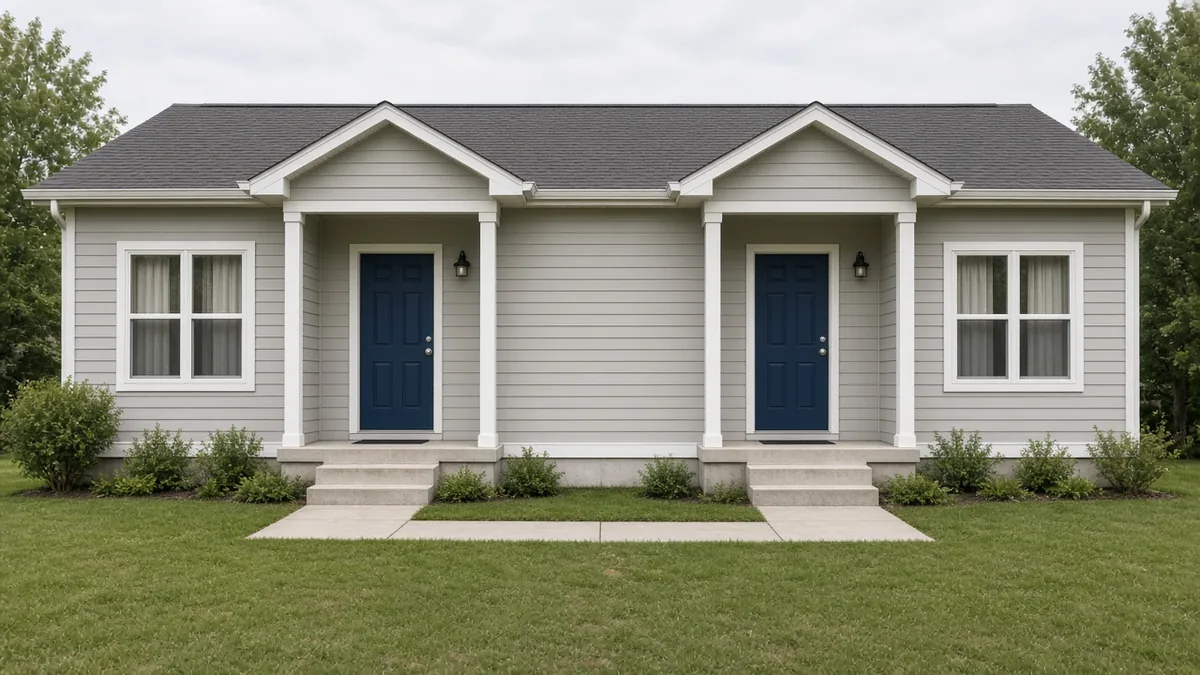
A DSCR loan for a property with existing tenants in place is business-purpose financing that starts from the leases already on the property. The ratio compares rent the file will accept with the debt service on the proposed loan. Taxes, insurance, and association dues may sit inside that debt service. Capital sources do not all define the stack the same way, and this page does not set a minimum ratio. An inquiry is not an application or an approval.
Tenants already in place are an advantage only if the paper matches the story. A lease at a rent you can document is evidence. A seller’s spreadsheet is a claim. What counts as a supportable DSCR is the ratio conversation. This article is about the rent you are allowed to put on top of that ratio when people already live there.
DSCR loan for a property with existing tenants in place
Collect every lease, every amendment, and a rent roll that ties to them. The roll should name the unit, the occupant, the rent, the start, the end, the deposit, and any concession still running. DSCR rent roll requirements describe what reviewers expect that schedule to contain. On a one-unit rental the roll may be a single line. It still has to match the lease in the file.
Market rent is a different document. A rent schedule, often the appraisal form discussed in DSCR loans and Form 1007, is an opinion of what the unit could rent for. Contract rent is what the current lease charges. Some files use the lease. Some use the schedule. Some will not credit contract rent above the opinion. Get that rule in writing for the file you are in. Do not assume the higher number wins.
Concessions change the math without changing the headline rent. Nominal annual rent is monthly rent times twelve. A free month means cash collected over that year is monthly rent times eleven, unless a later month is inflated to catch up. A file may amortize the concession across the term or may ignore the nominal rent until the concession ends. Ask which. “The lease says the rent is higher starting next spring” is a future number, not cash in the current month.
| Document | Question it answers |
|---|---|
| Lease and amendments | Contract rent, term, concessions, deposit, options |
| Rent roll | Whether every unit’s story fits on one page |
| Rent schedule | Market-rent opinion, separate from the lease |
| Tenant confirmation | Whether the occupant agrees with the paper |
A renewal option that only the tenant can exercise is not a signed renewal. If the option rent is “market” with no method, the reviewer has a clause, not a number. If the option rent is a stated figure, that figure is usable only for the period the option actually covers, and only if the file counts options at all. Many files want the term that is already binding.
Month-to-month occupancy is still occupancy. It is also occupancy that can end on a short notice. A term lease with years left is easier to underwrite than a tenancy the landlord or the tenant can close out quickly. Neither one is automatic approval. The lease status belongs on the rent roll in plain language.
Purchase, refinance, and the unit that is empty
On a purchase, you are inheriting someone else’s tenants. Read security-deposit balances, unpaid rent, and who keeps prepaid rent. A deposit credit on the settlement statement moves the refund obligation. It is not a new month of rent, and it should not be added to the income used for the ratio. Prorations of rent that was already earned are closing math. The ongoing lease is the underwriting math.
On a refinance, the same leases have to be current, readable, and consistent with deposits you still hold. If you have renewed people informally, write the renewal down. A text message is a weak exhibit when the old lease expired. Payment history on your current loan, if the file asks for it, is about you as a borrower on that property. It does not replace the leases.
One vacant unit beside occupied units is a partial story. The occupied leases still matter. The empty unit does not have a contract rent. DSCR financing for a vacant rental is the path for space with no tenant. Do not paste a “projected” rent into the occupied roll and hope the labels blur. Keep in-place rent and vacant units in separate lines.
Larger residential properties sometimes move toward a commercial presentation, with estoppel letters and a trailing income statement. A one-to-four-unit rental often stops at leases, the roll, and the appraisal schedule. If you are looking at five units or more, experienced-investor overlays often apply, and a commercial file may fit better than a one-to-four DSCR product. This page is about tenants already in place, not a promise that any unit count qualifies.
What “in place” does not prove
Tenants in place do not prove the rent is durable. A lease can be above a level the appraiser will support, below a level you wish you could charge, or tied to a occupant who is already behind. Late rent is a fact for the roll, not a footnote. If you plan to replace the occupant after closing, say so. A file built on a lease you intend to terminate is a vacant-property file wearing an occupied label.
Personal occupancy is a different product question. This site’s DSCR material is for investment rentals, not for a home you are about to move into. Whether a DSCR loan can be owner-occupied is the page that takes that question. Buying a tenant-occupied rental and then ending the tenancy so you can live there is not the story this article underwrites.
The rent on those leases is still rental income for tax purposes when you receive it. IRS Topic 414 says cash you receive for the use of real estate is taxable as rental income, generally reported on Schedule E when you are not providing substantial services mainly for the tenant’s convenience. That tax rule does not decide which rent a financing file will use. It does remind you that contract rent, once collected, is income, while a refundable deposit you still owe back is not the same receipt.
Long-term rental DSCR loans are the usual home for a standard residential lease already in place. A short-stay rental with guests, rather than a term tenant, is a different income pattern and a different article. Use the lease you actually have.
Exploring DSCR financing for an investment rental? Submit a confidential inquiry or call (907) 841-1600.
Frequently Asked Questions
Does a DSCR file use the lease rent or the market rent?
It depends on the capital source. Contract rent comes from the lease, and market rent comes from a rent schedule such as Form 1007. Some files use one, some use the other, and some will not count contract rent above the opinion. Ask which figure this file will use, and do not assume the higher number is the one that counts.
What if one unit is vacant and the others are leased?
Keep them separate. In-place leases support the occupied lines, and the vacant line has no contract rent. A vacant-property review is the right frame for the empty unit. Putting a hoped-for rent on the occupied rent roll makes the whole schedule harder to believe.
Do I need tenant estoppel letters on a small rental?
Many one-to-four-unit files rely on the leases and the rent roll. Larger or commercial-style files often want the tenant to confirm rent, term, deposit, and defaults. If the reviewer asks for a confirmation, the lease alone did not finish the question. Match any letter to the lease before you send it.
Are security deposits part of the rent used in the ratio?
A refundable deposit you still owe the tenant is not a month of rent. A credit for deposits at a purchase closing moves the refund duty and should not be added to income for the ratio. Prepaid rent and a forfeited deposit are different facts. Label each one instead of folding them into rent.
Can I use in-place tenants to finance a house I will move into?
This article is about an investment rental with tenants already there. Ending those tenancies so you can occupy the property is an owner-occupancy question, and this site does not treat DSCR financing as a primary-residence product. Read the occupancy page before you build a file around leases you plan to cancel.
Have a property in mind?
Submit a confidential inquiry — business-purpose and investment property only.
Start InquiryDisclaimer: This article is for informational purposes only and does not constitute financial, lending, legal, or tax advice. Commercial & DSCR Loans is a marketing and referral information service — not a lender, broker, or financial institution. Content relates to business-purpose and investment property financing only. Disclaimer · Terms · Privacy