Warehouse Investment Property Financing
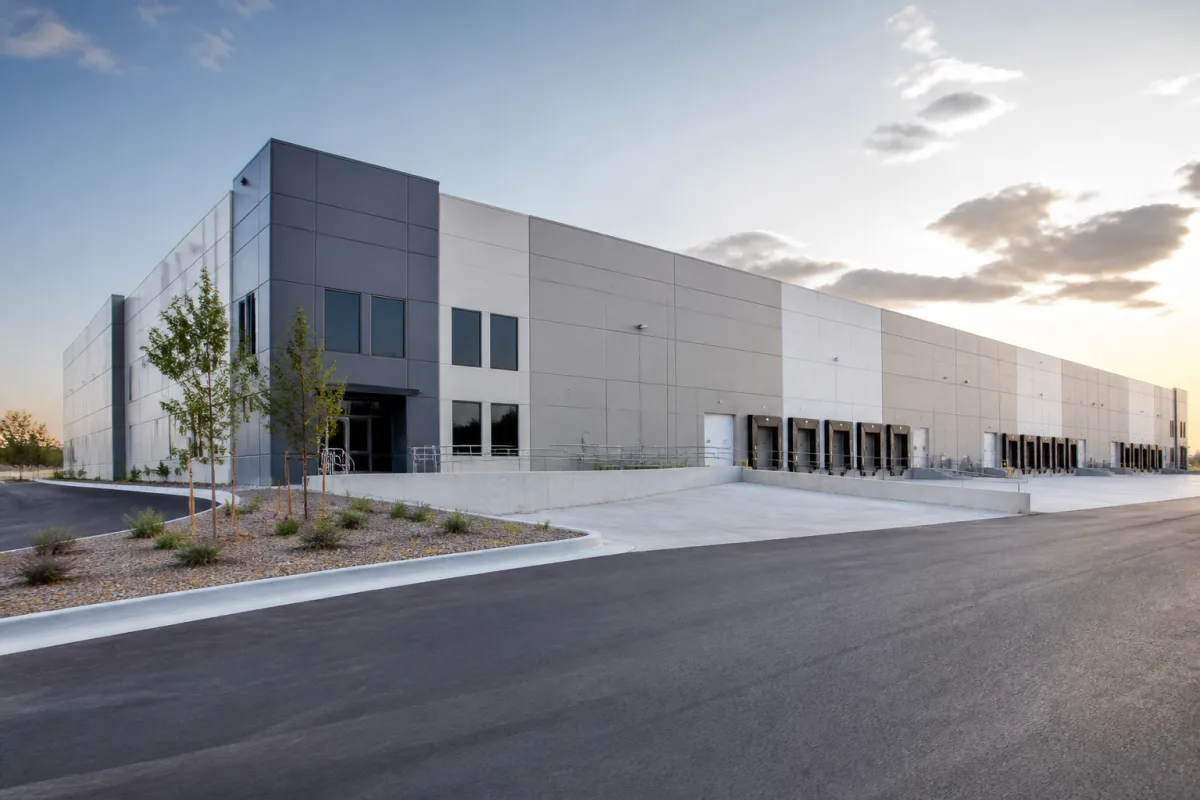
Warehouse investment property financing helps investors purchase or refinance light industrial and warehouse assets held for rental income. These properties can offer longer leases and sticky tenants—while bringing specialized underwriting questions around use, clear height, access, and environmental history.
This resource stays in business-purpose investment territory. It is not a construction or land-development guide.
Why investors buy warehouse and light industrial
Typical appeal:
- Longer commercial lease terms than many residential rentals
- Tenants who value location, truck access, and functional space
- Potential for NNN-style expense structures
Demand themes often track logistics, local service businesses, and small distribution—not just “big box” institutional industrial. The U.S. Census Bureau’s economic indicators and business data are useful public context when you research local industrial employment and firm counts (Census business data).
How financing conversations usually start
Capital providers commonly focus on:
- In-place leases — term, rent bumps, renewal options
- Tenant operations — what is stored or done on site
- Functional obsolescence — door counts, clear height, power, yard
- Expense structure — who pays taxes, insurance, maintenance
- Coverage — income vs debt service
A familiar ratio appears again:
DSCR ≈ qualifying income ÷ debt service
Educational commercial DSCR bands often sit in the 1.20–1.40+ neighborhood for healthier files. Single-tenant warehouses concentrate risk; multi-tenant flex can diversify it.
Warehouse vs office vs retail investment financing
| Factor | Warehouse / light industrial | Office | Retail |
|---|---|---|---|
| Tenant stickiness | Often operationally tied to site | Hybrid/remote sensitive | Foot traffic / sales sensitive |
| Capex themes | Doors, roof, slab, yard | HVAC, layout, parking | Storefront, parking, HVAC |
| Lease norms | Frequently NNN / industrial forms | Varied | Varied |
See also office building investment loan and retail investment property loan for contrast.
Documents that reduce friction
- Lease(s) and amendments
- Rent roll with SF and expirations
- Site plan / unit mix for multi-tenant flex
- Insurance and tax info
- Any known environmental reports you already have (disclose early)
- Entity vesting documents
You do not need to turn an inquiry into an environmental deep dive on day one—but surprises after the fact slow everything.
Stabilized assets vs heavy value-add
Stabilized, leased warehouses with ordinary deferred maintenance are usually cleaner than vacant shells needing major adaptive reuse. This site’s educational content does not pitch construction loans, raw land financing, or speculative building programs. If your plan is ground-up or heavy unfinished construction, expect a different capital category.
Practical underwriting tips for investors
- Model downtime realistically if a tenant’s operation is specialized
- Confirm zoning and permitted uses match the tenant’s business
- Stress property taxes after reassessment
- Keep reserves in the conversation—industrial roofs and parking lots are not cheap
Location and functionality checklist
Investors often underwrite warehouse utility before they underwrite the loan:
- Truck court depth and turning radius
- Dock-high vs grade-level access
- Power capacity for intended tenants
- Clear height relative to local demand
- Flood, drainage, and yard condition
A cheap building that cannot serve ordinary local tenants becomes an expensive vacancy story. Financing partners notice when the asset’s function and the rent story disagree.
Frequently Asked Questions
Can warehouse properties qualify with cash-flow-focused underwriting?
Often yes in spirit: leases and NOI drive the story more than personal W-2 income. The product may be framed as commercial business-purpose financing that uses DSCR as a metric rather than a residential DSCR rental product.
Are owner-occupied warehouses covered here?
This site emphasizes investment / business-purpose rental and investment commercial assets. If you will occupy the building for your own operations, say so—owner-user paths can differ from pure investment financing.
What if the warehouse is vacant?
Vacant industrial can still be discussed, but income is typically underwritten conservatively using market rent, downtime, and lease-up assumptions. Bring a leasing thesis and comparable rents.
Do environmental issues block financing?
They can complicate or stop a file depending on severity and remediation status. Disclose known issues early. Educational content cannot promise outcomes on contaminated sites.
Does an inquiry approve a loan?
No. A form submission or call is an information request only—not an application or credit decision.
Have a commercial investment property in mind? Start with a confidential inquiry or call (907) 841-1600.
Have a property in mind?
Submit a confidential inquiry — business-purpose and investment property only.
Start InquiryDisclaimer: This article is for informational purposes only and does not constitute financial, lending, legal, or tax advice. Commercial & DSCR Loans is a marketing and referral information service — not a lender, broker, or financial institution. Content relates to business-purpose and investment property financing only. Disclaimer · Terms · Privacy