Office Building Investment Loan Considerations
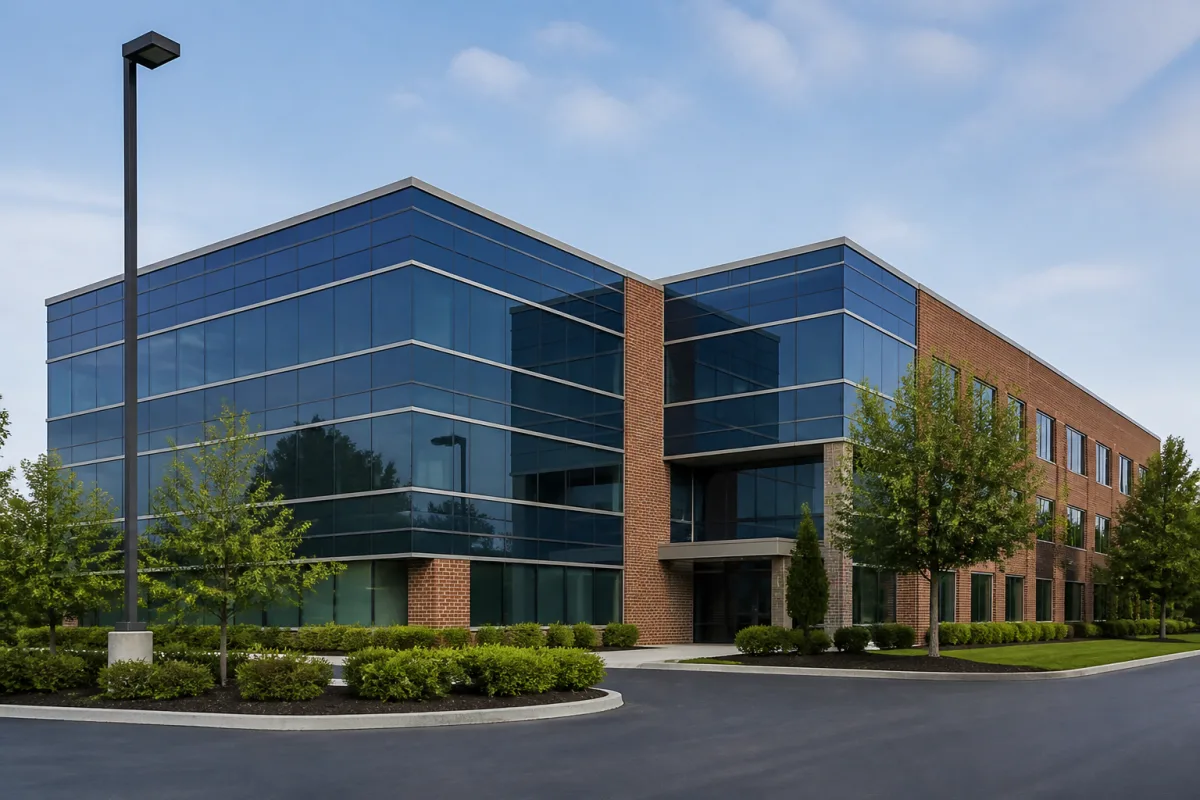
An office building investment loan conversation in the post-remote era needs more honesty than a 2019 brochure. Some small office assets still cash flow well; others face longer vacancy and tenant concessions. Financing partners generally price that reality into income assumptions.
This guide is for investors evaluating business-purpose office acquisitions or refinances—not owner-occupied home loans.
What “small office” means for this audience
Think:
- Low-rise professional buildings
- Small multi-tenant office parks
- Medical/professional suites (use type matters)
- Office components inside mixed-use buildings
Institutional towers and complex CMBS-style stories are outside the practical scope of these educational resources.
Demand and lease-roll risk after remote work
Underwriting typically pressures:
- Rollover schedule — who expires in 12–24 months?
- In-place vs market rent — are rents already marked down?
- Tenant industries — professional services vs speculative startups
- Parking and access — still matter for in-person teams
- Capex — HVAC, elevators, common areas
Federal Reserve and public economic releases on employment and commercial conditions can inform your macro view; pair them with local lease comps, not headlines alone (Federal Reserve economic data hub).
Cash flow math still rules
Even when the product is commercial business-purpose financing, coverage is often summarized as:
DSCR = qualifying property income ÷ debt service
Thin DSCR plus heavy near-term rollover is a common stress combination. Educational DSCR targets for commercial investment assets often sit above 1.20, with lower leverage when vacancy risk is elevated. Ranges are illustrative—not offers.
Office vs warehouse and retail
Compared with warehouse investment property financing, office tenants may be less physically “stuck” to a building. Compared with retail, office demand tracks employers and hybrid policies more than foot traffic.
Diversified small multi-tenant office with staggered expirations often presents more cleanly than a single large tenant with 8 months left.
Prep checklist for investors
- Rent roll with SF, rents, and expirations
- Leases, amendments, and any concession side letters
- Trailing operating history when available
- List of recent capital improvements
- Insurance quotes and tax bills
- Entity docs and sponsorship résumé (experience helps)
If you plan a refinance, also outline why now—rate, term, cash-out for reserves, or portfolio goals. See when to refinance investment property.
What this article does not pitch
Office conversions, major unfinished renovations, and speculative development need different capital toolkits. These resources do not promote construction, raw land, or SPEC home financing. Stick to stabilized or lightly value-add investment narratives when using this site’s inquiry path.
CapEx items office investors underestimate
Budget conversations should include HVAC end-of-life, roof condition, elevator contracts (if any), parking lot resurfacing, and common-area refresh cycles. Deferred lobby cosmetics are one thing; a failing HVAC plant is another. Financing will not cure a CapEx surprise that erases years of projected cash flow—disclose known issues and price them before you argue about leverage.
How to stress an office rent roll
Before you inquire, rebuild the rent roll three ways:
- In-place only — ignore hopeful market bumps
- Near-term rollover stress — mark expiring leases to a lower renewal rent or vacancy
- Expense shock — higher insurance, taxes, or janitorial/HVAC contracts
If only the optimistic version clears debt service, revisit price, leverage, or whether office still fits your strategy. Capital providers will run their own stresses; arriving prepared shortens the conversation.
Also decide whether you are underwriting a pure office asset or a mixed-use building with an office component—the income mix changes the file.
Frequently Asked Questions
Are office buildings harder to finance than rentals?
Often yes today, especially if vacancy is high or rollover is near. Strong leased small office with durable tenants can still be financeable. Expect conservative income treatment when the market is soft.
Can DSCR rental products fund office buildings?
Dedicated residential DSCR products usually target investment rentals (commonly 1–4 units, sometimes related residential strategies). Office typically sits in commercial business-purpose financing that may still use DSCR as a metric. Ask which category fits your asset.
What LTV is typical for investment office?
Educational LTVs vary with cash flow, sponsor strength, and property quality. Soft markets often mean more equity required. No percentage here is a quote.
Does medical office underwrite differently?
It can. Specialized buildouts and referral-driven demand change reletting assumptions. Disclose use type and tenant mix clearly.
Is contacting this site a loan application?
No. An inquiry is confidential information-gathering only—not an application or credit decision.
Have a commercial investment property in mind? Start with a confidential inquiry or call (907) 841-1600.
Have a property in mind?
Submit a confidential inquiry — business-purpose and investment property only.
Start InquiryDisclaimer: This article is for informational purposes only and does not constitute financial, lending, legal, or tax advice. Commercial & DSCR Loans is a marketing and referral information service — not a lender, broker, or financial institution. Content relates to business-purpose and investment property financing only. Disclaimer · Terms · Privacy